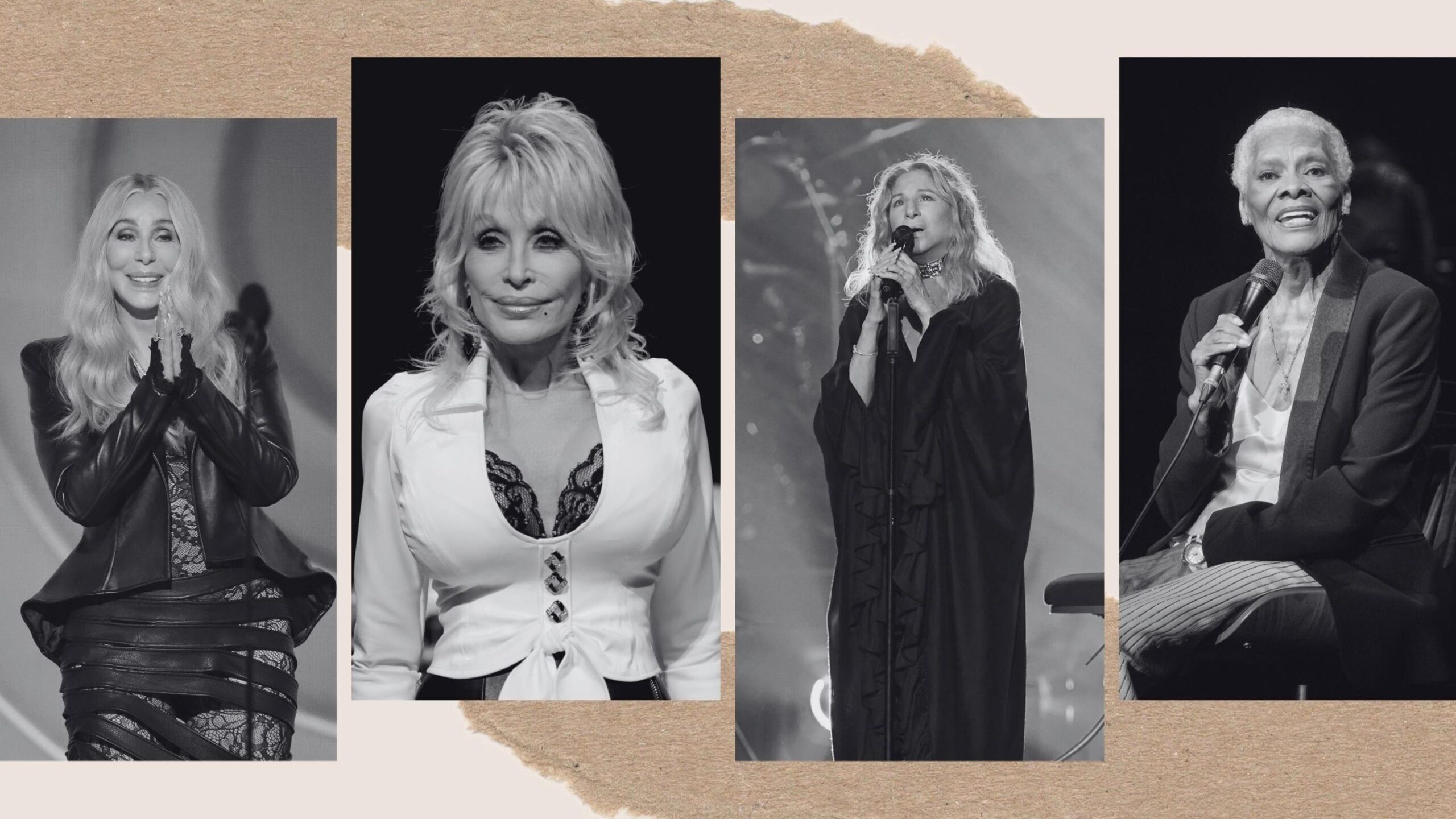
On May 20, Cher turned 80 years old. Beyond a celebration of one spectacular career, her birthday is an occasion to consider what it means for a woman to maintain long-term relevance. It opens a larger question about endurance, public scrutiny, and what it takes to live a long, authentic life.
Cher, Dolly Parton, Barbra Streisand, and Dionne Warwick, all now in their 80s, were criticized for qualities that made them distinctive: being too country, too Jewish, too outspoken, too ambitious, too artificial, too stubborn. Rather than soften those edges, they built careers around them. The traits that once made them targets of ridicule eventually became their signatures.
In a culture that prizes constant reinvention, these octogenarian pop divas suggest another path: longevity through self-definition. They evolved, certainly, but without surrendering the core identities that made them recognizable in the first place. A life well-lived, they remind us, is not the life that pleased the most people, made the fewest demands, or aged into quiet respectability. A good life is one lived on its own terms, refusing every invitation to become smaller, softer, or less fully oneself.
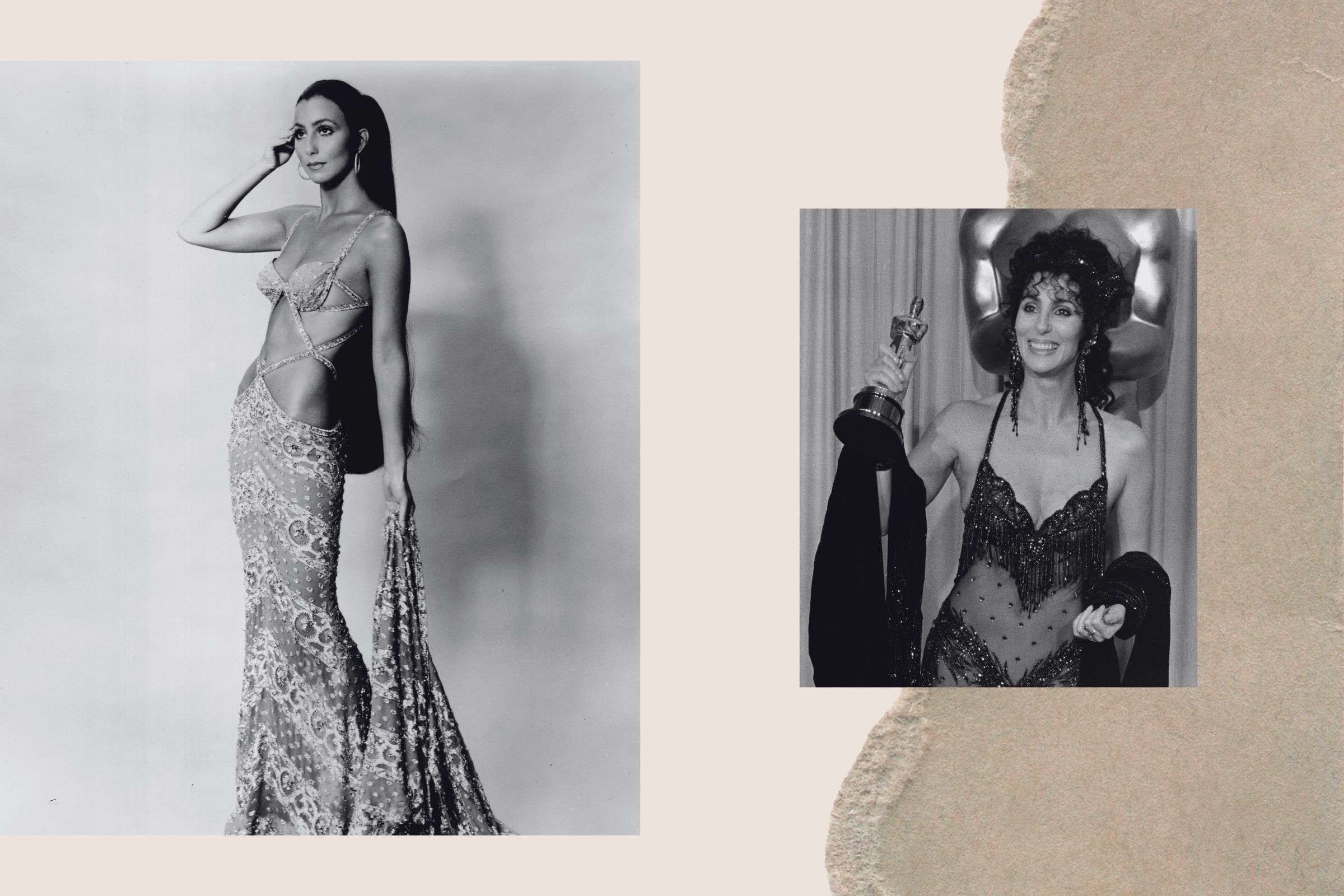
Cher has spent more than six decades in the public eye, moving through music, television, film, fashion, tabloid culture, political commentary, heartbreak, reinvention, ridicule, camp, glamour, and triumph. She’s won a Grammy, an Emmy, an Academy Award, three Golden Globes, and is the only artist to have a number one single on a Billboard chart in seven consecutive decades.
She has been labeled too artificial, too outrageous, too sexual, too blunt, and too much. In the 1970s, her collaboration with Bob Mackie produced dresses that seemed designed to violate every rule of respectable female presentation: sheer, beaded, feathered, midriff-baring, unapologetically theatrical. In 1975, she appeared on the cover of TIME magazine in what was referred to as designer Bob Mackie’s “naked dress,”and in 1986, after being passed over for an Oscar nomination for the movie Mask despite winning Best Actress at Cannes, she arrived at the Academy Awards in a black Mackie ensemble with a towering feathered headdress, a bare midriff, and enough defiance to overwhelm the room.
The criticism intensified when Cher refused to separate glamour from sexuality as she aged. In 1989, the video for “If I Could Turn Back Time,” filmed aboard the USS Missouri, placed her in a sheer black bodysuit, fishnets, leather jacket, and little else, performing for a cheering crowd of sailors. MTV initially banned the video and later aired it only after 9 p.m. The Navy, which had expected something more conservative, was reportedly embarrassed by the result. What the controversy revealed was not merely discomfort with a costume, but discomfort with a woman in her forties presenting herself as erotic, funny, commanding, and entirely in control of the spectacle.
Through all of it, she never seemed remotely interested in becoming more palatable. At one point in the late 1980s, her body was so scrutinized that there was a debate as to whether or not she had several ribs removed. (She didn’t.) Cher has acknowledged some cosmetic surgery, denied the more lurid inventions, refused the premise that her body required public adjudication, and defiantly stated, “If I want to put my tits on my back, it is nobody’s business but my own.”
Cher’s dexterity shows up beyond how she survived being mocked for excess. It is revealed by how she transformed excess into architecture. Her costumes, wigs, cosmetic surgery, her public romances, the one-name fame: they constitute the visual and emotional vocabulary she has deftly controlled. Spectacle has never been a mask Cher has hid behind; it is the medium through which she insists on being seen.
This refusal has become Cher’s version of authorship. She has never disappeared into the trope expected of aging women. Instead, she made “too much” the unmistakable, driving force of her power.
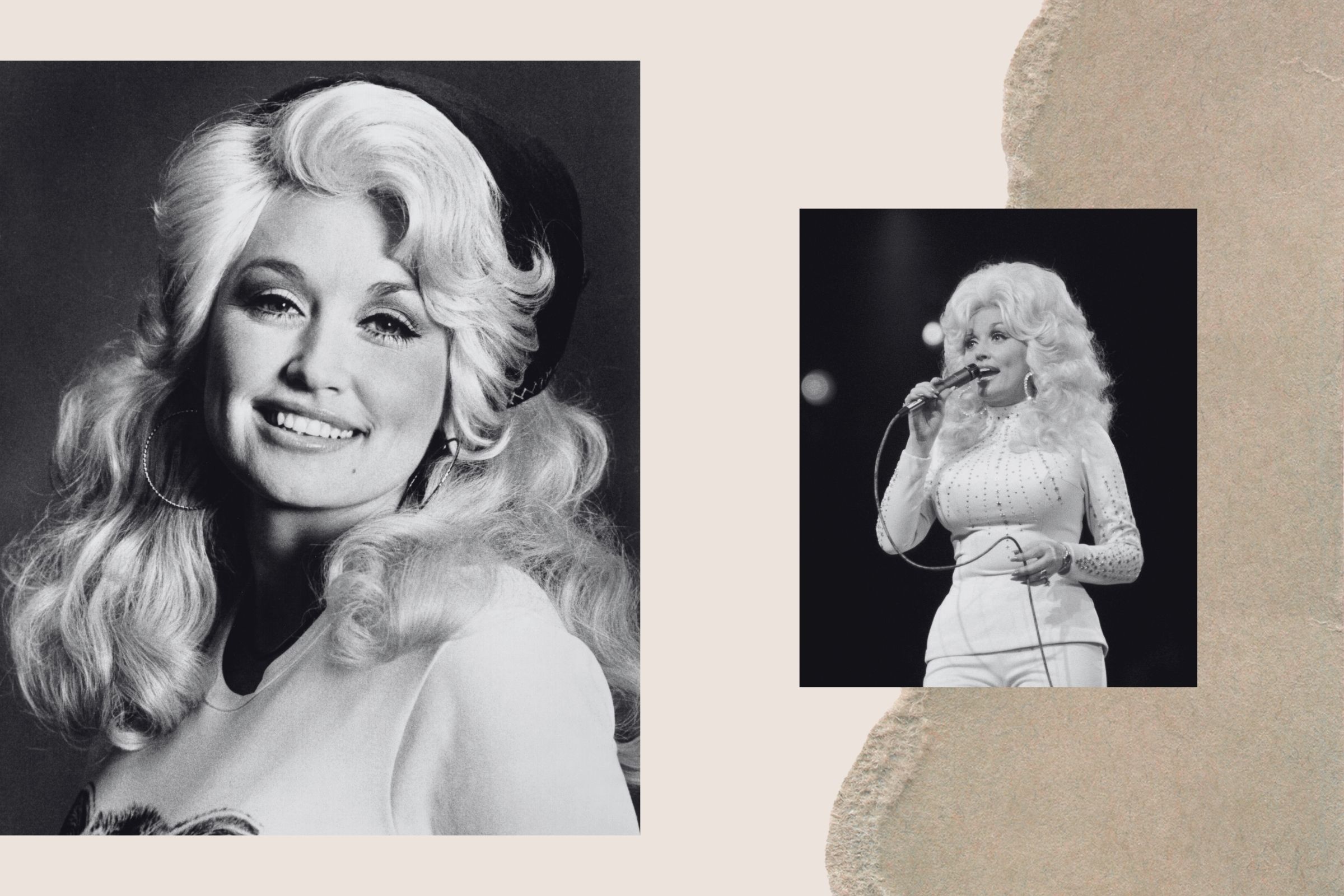
Dolly Parton, also 80, spent years being deemed too country, too buxom, too rhinestoned, too blonde, too much of an exaggeration to be taken seriously. Late-night hosts and interviewers repeatedly treated her body as public property and her appearance as a punchline. Johnny Carson joked about her breasts on The Tonight Show; countless others followed the same overly trodden path.
Parton’s genius was that rather than avoiding the joke, she took control of it. She understood, earlier than almost anyone, that being underestimated could become its own form of power.
Long before she was appreciated as a national treasure, Parton knew who was really in control of the performance. When she joked that, “it costs a lot of money to look this cheap,” she playfully named the labor, money, intelligence, and craft inside the caricature. Her blonde hair, acrylic nails, high heels, rhinestones, waist-cinching silhouettes, and curves were not accidents of taste. They were the materials of a persona she built deliberately, then protected ferociously.
Parton turned exaggeration into authorship through repetition and scale. On album covers like Jolene, she presented mountain-girl glamour as a code. In the film 9 to 5, she transformed the image of the underestimated secretary into a working woman with wit, strategy, and rage. At Dollywood, which opened under her name in 1986 near the Tennessee mountains where she was raised, she converted her story into infrastructure: a theme park, a regional employer, a monument to Appalachian storytelling, craft, music, and belonging. What might have been dismissed as kitsch became an economic and cultural engine, directly employing approximately 4,000 people, creating more than 23,000 jobs in the region, and contributing $1.8 billion in annual economic impact to Tennessee.
In the process, Parton became one of the most accomplished songwriters, performers, philanthropists, and entrepreneurs in the world. She has written thousands of songs, including “Jolene,” “Coat of Many Colors,” “9 to 5,” and “I Will Always Love You,” the latter becoming a rare song that defined two different eras through two different women’s voices. Parton has been inducted into the Nashville Songwriters Hall of Fame, the Country Music Hall of Fame, the Songwriters Hall of Fame, and the Rock & Roll Hall of Fame. Her Imagination Library, founded in 1995 in honor of her father, who never learned to read or write, has now gifted more than 300 million books to children. The program began in her home county in Tennessee and has grown across multiple countries.
What makes Parton’s endurance so instructive is that she never abandoned the mountain-girl mythology from which she first emerged. She expanded it. She made it capacious enough to hold country music, film, children’s literacy, vaccine philanthropy, theme parks, baking mixes, fashion, and business. The rhinestones were never a distraction from the seriousness of her work. They were part of the strategy.
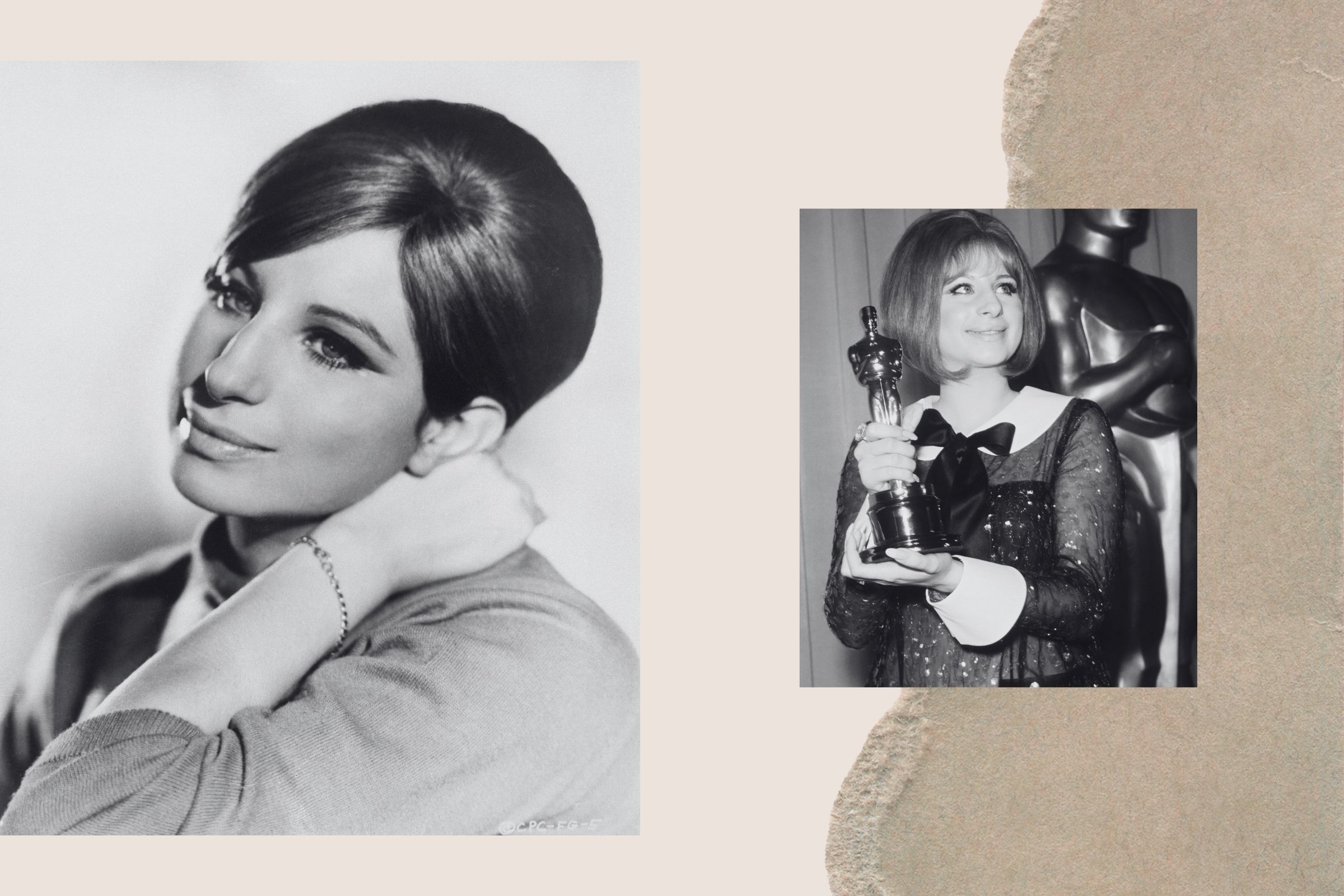
The starmaker machinery has long depended on a narrow definition of beauty and controlling the behavior of women. Barbra Streisand, now 84, was told early and often that the things that made her unmistakable were liabilities. She was too Jewish, too nasal, too Brooklyn, too ambitious, too controlling, too unwilling to be remade into someone else’s idea of a star.
From the start of her career, people told her to fix her nose. In 1964, even this magazine reported as much. In her memoir, she recalls being told by several people that she should get a nose job and have her teeth capped. But she feared that changing her nose might change her voice, and refused, certain that her talent should be enough.
It was enough, but not before the culture made her pay for it. When Streisand fought to make Yentl, the 1983 film she co-wrote, produced, directed, and starred in, she spent years trying to persuade Hollywood that she could direct it. The film itself is about a Jewish woman who refuses the limits imposed on her mind and disguises herself as a man in order to study, and the parallel was impossible to miss.
For that insistence, she was often described as “difficult,” a word that frequently means a woman has declined to pretend she has no standards. Streisand has spoken directly about that double standard: a man who asks for a shot to be changed is treated as committed; a woman who asks for the same thing is treated as obsessive. But the very qualities that made her controversial—precision, control, refusal, an almost forensic relationship to detail—also made her work possible.
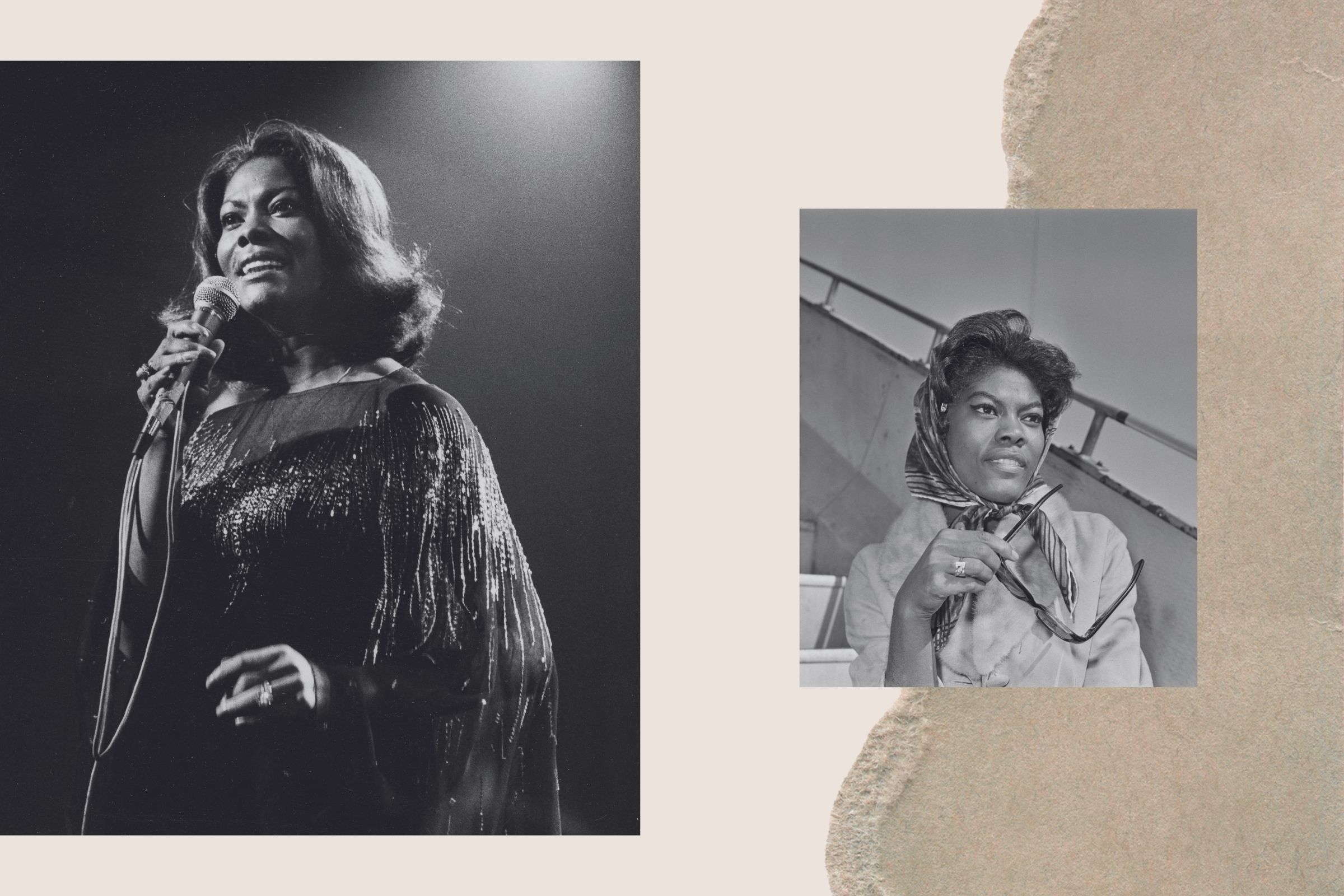
Dionne Warwick, now 85, offers yet another version of endurance on her own terms. She has been criticized as too direct for those who prefer female softness, too dry for those who mistake composure for distance, and, at various points, judged through racial expectations that flattened the sophistication of her achievement. In 1963, the European record cover featured a white model on the cover of her album, An Empty Place. Her crossover success with Burt Bacharach and Hal David brought her an enormous white audience, but it also exposed her to criticism that her sound was too polished, too restrained, and not sufficiently aligned with what some listeners expected from a Black female singer.
Warwick’s first hit already contained a declaration of self-possession. In 1962, after learning that “Make It Easy on Yourself,” a song she had hoped would become her first single, had been given to Jerry Butler, she snapped at Bacharach and David, “Don’t make me over.”They turned the phrase into a song. It became Warwick’s first solo hit and, in retrospect, a thesis statement.
Her power has always resided in composure. In songs like “Walk On By,” “Anyone Who Had a Heart,” “I Say a Little Prayer,” and “A House Is Not a Home,” Warwick sang with elegance, intelligence, and restraint. “Walk On By,” released in 1964, is a devastating song precisely because she refuses to overperform devastation. The lyric asks an old lover to keep walking if they see her breaking down; Warwick sings it as though dignity itself is the last remaining shelter. In her performances, she commanded the room by withholding exactly enough.
In recent years, Warwick has also become beloved by younger generations for the directness that has defined her public persona. On Twitter (now X) she began asking questions with the kind of plainspoken authority that felt almost radical in a culture addicted to irony. Why, she asked Chance the Rapper, did he need to include “the Rapper” in his name if he was very obviously a rapper? She wondered publicly about The Weeknd’s spelling. The exchange with Chance the Rapper eventually led to a collaboration, but the larger revelation was that Warwick had not become newly direct. New audiences had simply discovered the clarity that had always been there.
She does not appear to be chasing relevance so much as allowing new audiences to catch up. That distinction matters: there is a difference between remaining visible because one is desperate to be relevant and remaining visible because one is confident in their own skin. Warwick’s authority comes from that confidence.
None of these superstars survived and thrived by becoming less themselves, and this is what makes their continued cultural relevance so instructive. They teach us that to age successfully and gracefully, we need not reinvent ourselves, but rather to know who we are and to evolve.
Make no mistake; these octogenarians have certainly evolved. Cher moved from folk-pop duo to television star to Oscar-winning actress to dance-floor futurist to Rock & Roll Hall of Fame inductee and memoirist. Parton moved from the Porter Wagoner Show to pop crossover to film to Dollywood to global philanthropy. Streisand moved from nightclub singer to Broadway phenomenon to film star to director, producer, and author. Warwick moved from the Scepter Records years to global pop elegance to activist, survivor, internet oracle, and elder stateswoman of direct address.
But for each of these women, adapting to new stages and industries has been conducted on their own terms, without compromising the essence of who they have always been. Their careers were built on deepening their commitments to themselves until the very qualities once deemed excessive became iconic.
Women are often instructed to age by diminishing. They are instructed, both explicitly and implicitly, to gracefully accept less attention, less power, less sexuality, less ambition, and less contradiction. They are praised for aging gracefully (which usually means aging quietly and out of sight). They are expected to become wiser but not louder, visible but not vain, accomplished but not demanding, and well-preserved but not provocative. Even admiration can become a form of containment, turning older women into monuments rather than allowing them to be monumental.
Cher, Parton, Streisand, and Warwick have resisted these strictures. They have not aged into neutrality. Pop divas in their 80s show us that conviction outlasts fashion. They made new work, took risks, changed formats, survived failures, and were undeterred. They did so without compromising the traits that made them singular.
At a moment when many people feel pressured to change themselves to meet the expectations of others, these octogenarian icons offer a different model of a life well-lived: one built not on perpetual reinvention, but on the courage to remain unmistakably oneself.
A life well-lived, they remind us, is not the life that pleased the most people, made the fewest demands, or aged into quiet respectability. A good life is one lived on its own terms, refusing every invitation to become smaller, softer, or less fully oneself.
The post What Octogenarian Pop Divas Show Us About a Life Well-Lived appeared first on TIME.