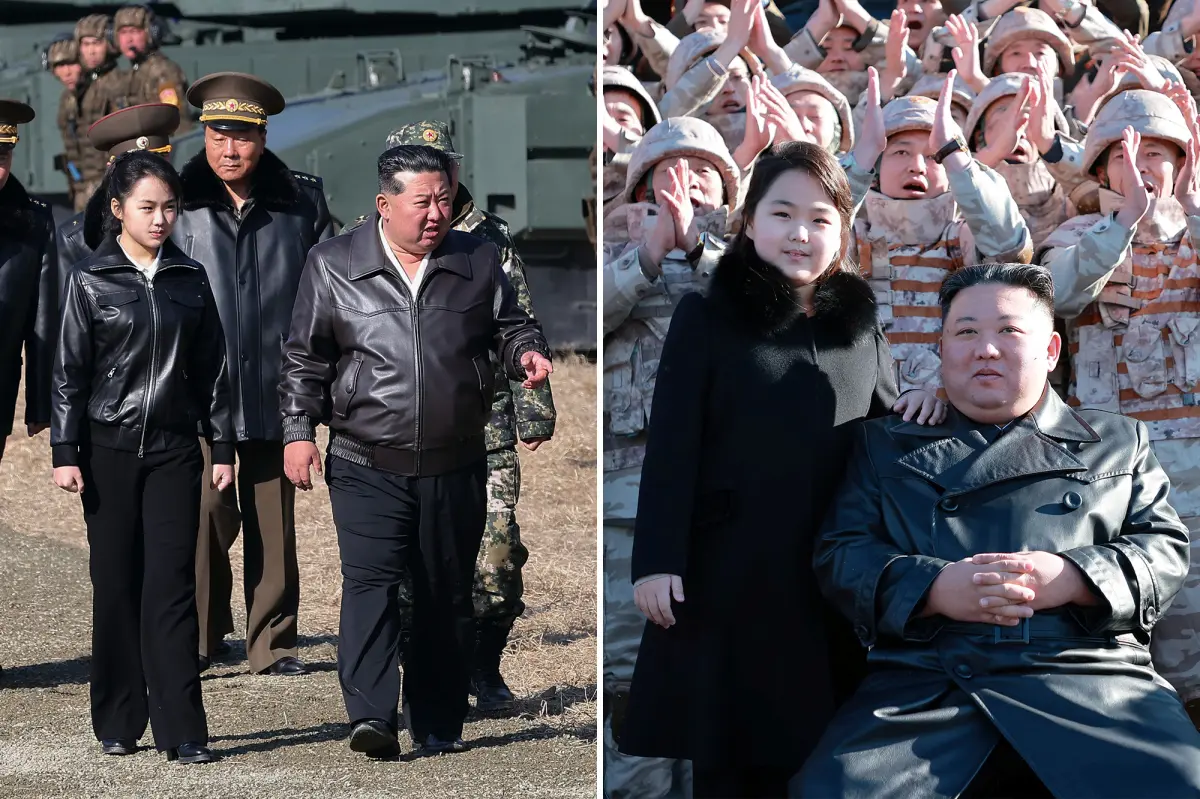
Until she fled North Korea three years ago, Kim Yumi felt deeply frustrated whenever state TV showed leader Kim Jong Un with his young daughter.
The message, she felt, was clear and worrying: North Korea was laying the groundwork for an eventual hereditary transfer of power, this time to Kim’s daughter.
Publicly questioning the Kim dynasty’s hold on power would mean severe persecution. Already angered by draconian pandemic regulations that ruined her family’s fishing business, she defected to South Korea by boat with her family.
“My husband and I didn’t want our children to live under a fourth-generation dictatorship. As parents, we thought the best thing we could do for our children was to give them freedom,” said Kim Yumi, 32, who now lives in Seoul.
North Korea allows no dissent and harshly punishes attempts to flee the country. Established in 1948, the nation is nominally a socialist republic, but in reality it is an authoritarian dynasty, with three generations of the Kim family ruling in succession.
There was no known public resistance during its previous two successions — from state founder Kim Il Sung to his son Kim Jong Il in 1994 and then from Kim Jong Il to his son Kim Jong Un in 2011.
This time, North Korea is apparently trying something radical.
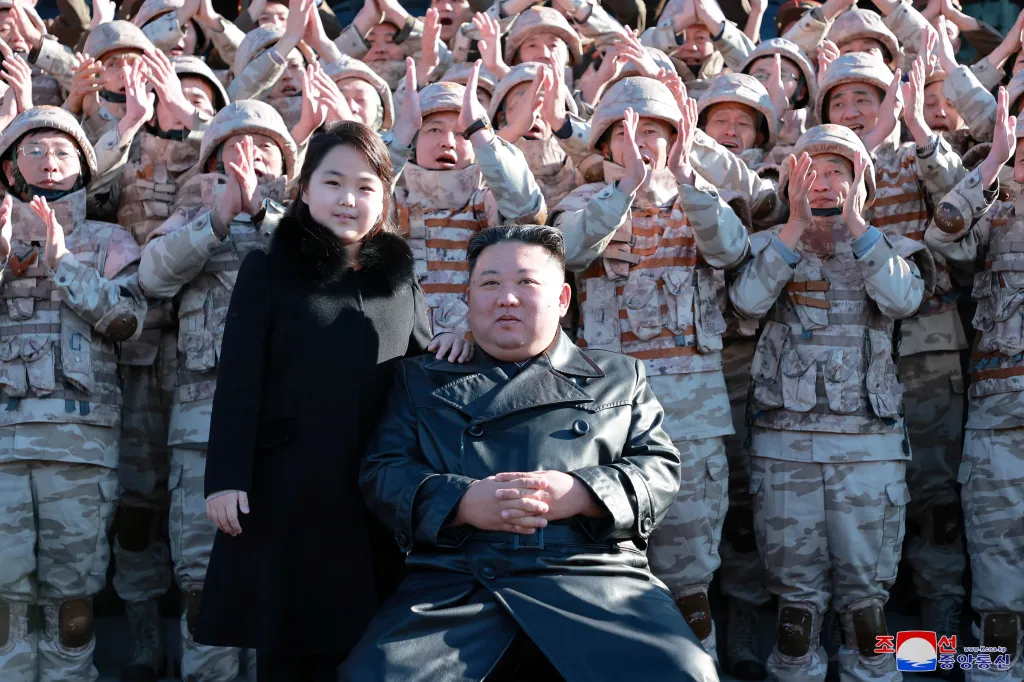
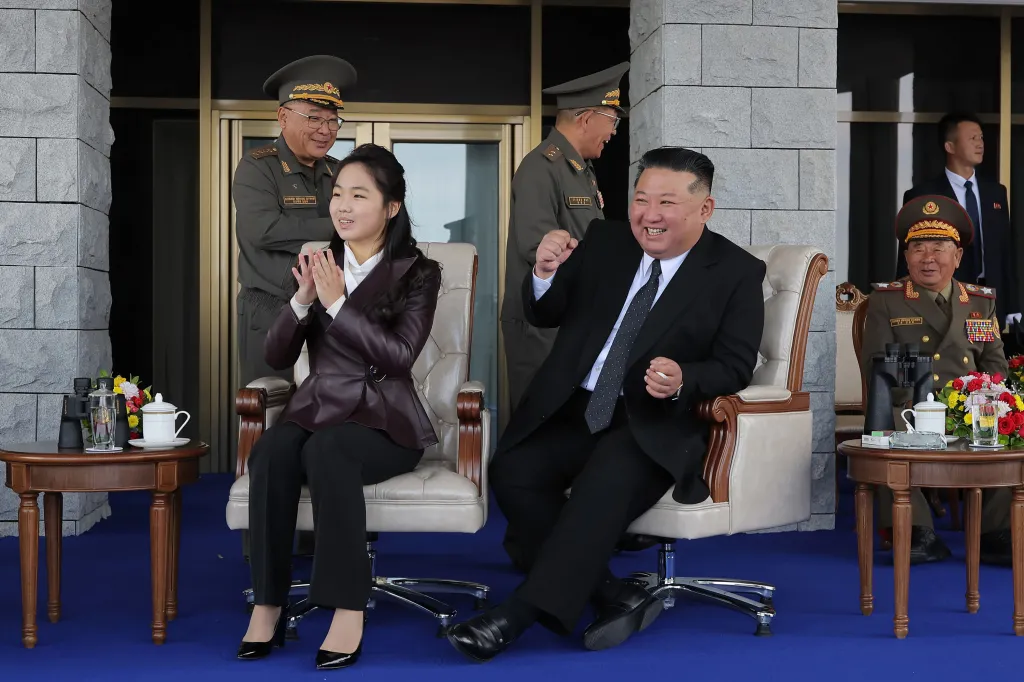
Kim Jong Un’s repeated public appearances with his daughter over the past four years have led to speculation that she’s being groomed as her father’s heir.
The question of who will become North Korea’s next leader is crucial because that person will face a huge challenge — governing an impoverished, nuclear-armed nation whose 26 million people have little political freedom and live under strict state surveillance while being cut off from much of the outside world.
North Koreans have no say in the selection of their future leader, and analysts and defectors say they will passively accept a third dynastic succession — at least publicly.
To gauge North Koreans’ private views, The Associated Press spoke with nearly a dozen defectors who still have contacts in North Korea or witnessed the country’s previous power successions, as well as several experts.
Most defectors believe the girl is Kim’s heir
Not much is known about Kim’s daughter except that she’s reportedly about 13 and named Kim Ju Ae.
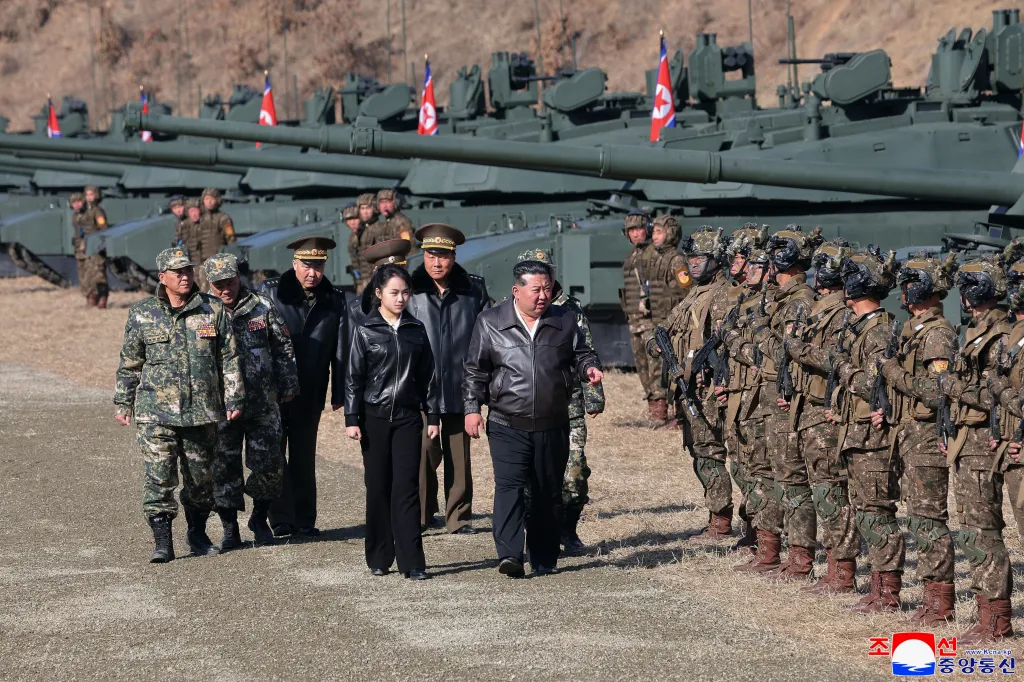
Since late 2022, she has made dozens of public appearances, all of them with her father at big events like weapons tests and military parades. State media has called her Kim’s “most beloved” and “respected” child. Her status has been emphasized by images showing an elderly general kneeling before her and her standing in front of her father.
South Korea’s spy agency says she is Kim’s likely heir. Eight of the 11 defectors interviewed by the AP shared that view; the others disagreed, citing the North’s deeply patriarchal culture.
“During her visits to missile launch sites and factories, the way senior North Korean officials treat Kim Ju Ae involves protocols reserved for a successor, not the ones simply for a daughter of Kim Jong Un,” said Tae Yongho, a former minister at North Korea’s Embassy in London who defected to South Korea in 2016. “They are repeating the same protocol and treatment they provided for Kim Jong Un,” when he accompanied his father as his heir.
Kang Mi-Jin, a defector who runs a company analyzing North Korea’s economy, said her contacts inside the North told her over smuggled phones that they think Kim Ju Ae is in line to succeed her father.
Jung Gwang-il, a defector who specializes in smuggling outside information to North Korea, said the North Koreans he meets as they visit Chinese border towns also hold the same belief.
Former NBA star Dennis Rodman was the first to reveal her identity, holding her as a baby during a 2013 trip to Pyongyang.
Doubts remain about a woman becoming North Korea’s leader
Much of the skepticism about Kim Ju Ae as a potential leader stems from her being female. South Korean officials believe she has a younger sibling whose gender hasn’t been confirmed.
Women in North Korea remain deeply underrepresented in senior posts. Only one of 17 department directors for the ruling Workers’ Party is a woman. That woman is Kim Jong Un’s influential younger sister, Kim Yo Jong, according to South Korea’s Unification Ministry.
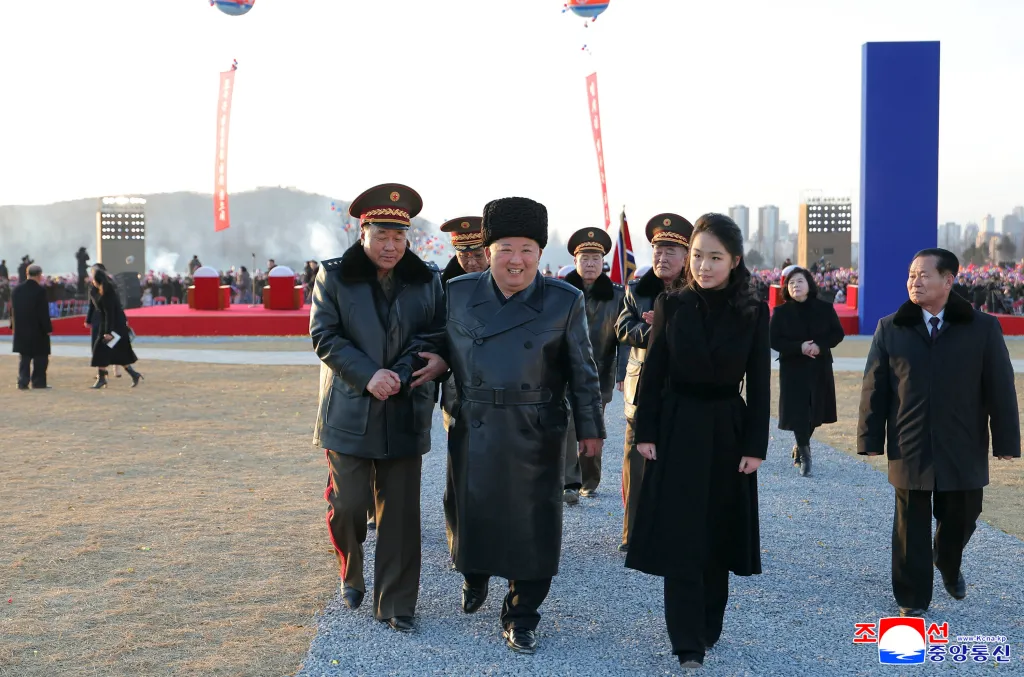
“My contacts in North Korea say it would be nonsensical to revere that little girl as their supreme leader,” said Kim Jeong-Ah, a former North Korean army officer who resettled in South Korea in 2009.
Lee Si-young, a defector who heads the Seoul-based Free North Korea Radio station, said that some of her older contacts in North Korea aren’t happy with a woman taking power. But she said members of the Kim family “are like gods reigning over humans so gender really doesn’t matter.”
Kim’s push for hereditary power transfer faces little resistance at home
Whether or not the girl succeeds her father, observers agree that Kim Jong Un, 42, is likely to designate one of his children to prolong his family’s rule, a move they expect would face little resistance at home. South Korea’s spy agency recently assessed that Kim is extremely obese and at high risk of cardiovascular disease but shows no other signs of poor health.
North Koreans will passively “accept a hereditary succession as something that they should go along with,” said Ahn Chan-il, a defector and scholar who heads the World Institute for North Korean Studies in Seoul.
During North Korea’s first leadership transition, in 1994, the new leader, Kim Jong Il, then 52, had already spent two decades as the official successor working alongside his father to run the country.
The second succession, in 2011, was more uncertain. Kim Jong Un, who was then 27, was seen by outsiders as too young and inexperienced. He quickly consolidated his grip on power, however, by orchestrating high-profile executions and purges, including the 2013 killing of his powerful uncle Jang Song Thaek.
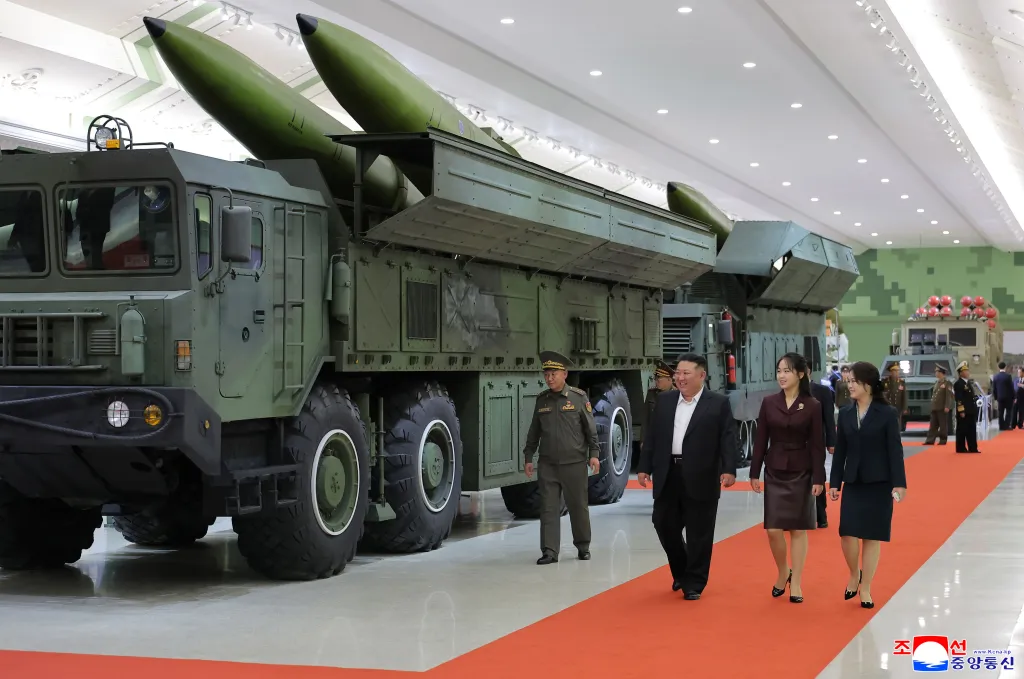
“A hereditary power succession system has been institutionalized in North Korea, just like presidential elections in our system,” said Oh Gyeong-seob, an analyst at Seoul’s Korea Institute for National Unification. “North Korea’s ruling elite accepts it as a matter of course. So do its general citizens.”
Choi Song-juk, who fled North Korea in 2015, said she had been so brainwashed that she had no complaints about the North’s two earlier power successions. She now calls them “nonsense.”
Defector Jeon Jae-hyun said North Korea’s pervasive surveillance apparatus keeps people from voicing their discontent with the government and helps enforce political loyalty.
Defector Kim Yumi said she had never heard about the girl until Kim Jong Un publicly introduced his daughter at a long-range missile launch site in November 2022.
“Ordinary people know absolutely nothing about private lives of the Kim family,” said Kim Yumi, who now runs a YouTube channel on North Korea. “They don’t really try to know about it and don’t pay attention to it because doing so could put them in danger.”
The post North Korean defectors see Kim Jong Un’s daughter as heir apparent: ‘Like gods reigning over humans’ appeared first on New York Post.