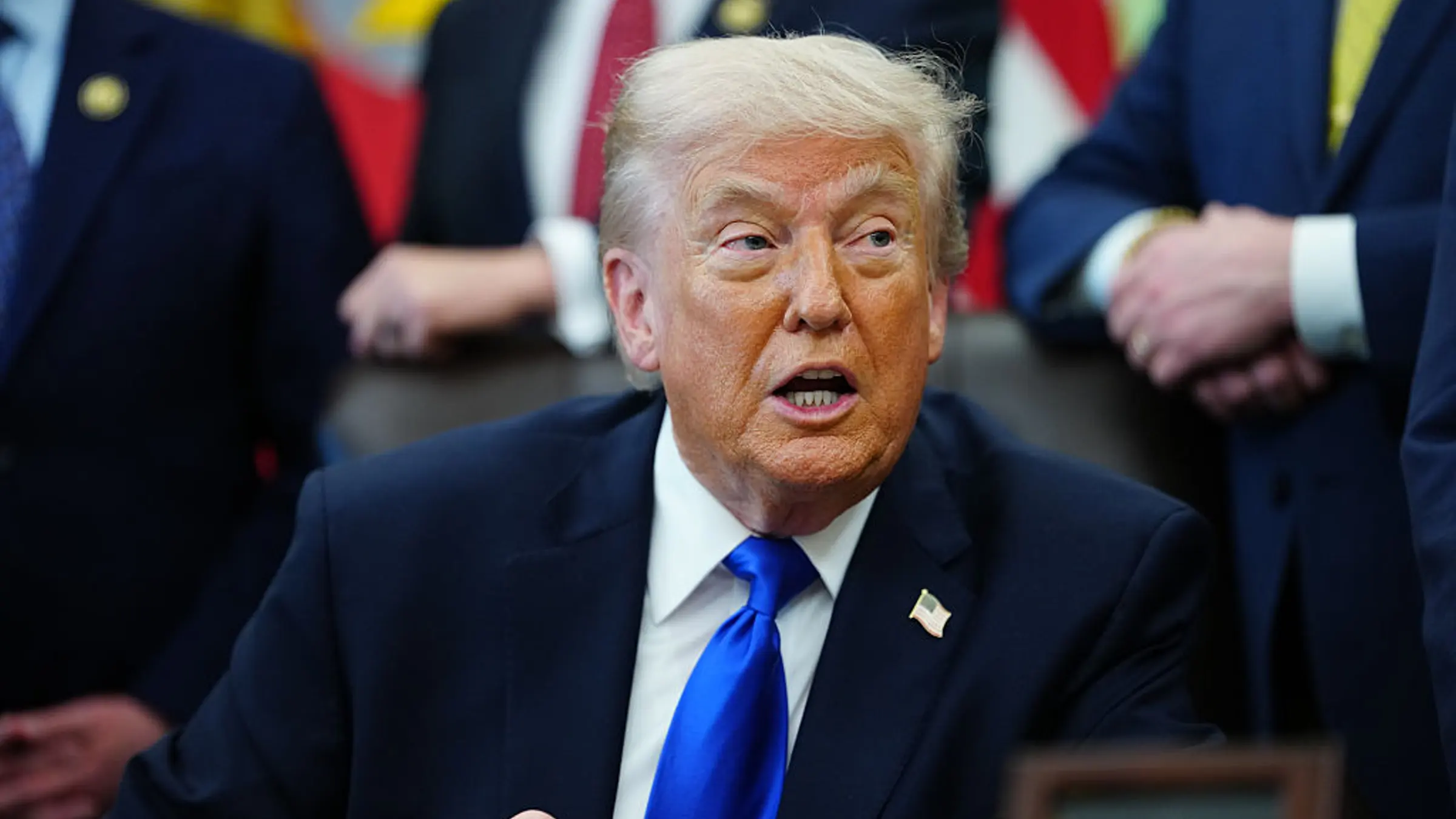
The Trump Administration on Wednesday unveiled a sweeping new national counterterrorism strategy that places an unprecedented emphasis on combating drug cartels and loosely organized far-left movements, a shift that officials say reflects evolving threats but that critics warn could redirect resources away from more immediate dangers related to the Iran War.
The strategy, outlined to reporters by Sebastian Gorka, the senior director for counterterrorism at the National Security Council, expands the traditional definition of terrorism beyond Islamist militant groups to include transnational criminal organizations and what the administration describes as “violence-secular political groups” such as antifa.
The new strategy marks a significant departure from both Trump’s first-term counterterrorism blueprint and the approach of the Biden Administration. For decades, U.S. counterterrorism policy has centered primarily on Islamist extremist networks like Al Qaeda and the Islamic State. While Trump’s first-term strategy emphasized those threats, the new document broadens the focus to include drug networks and domestic ideological movements.
“We are taking ideology and counter ideology very seriously,” Gorka told reporters on Wednesday morning. “Whether it’s against Western civilization, America, the U.S. Constitution, our friends, our allies, peace in general.” However, an analysis conducted last year by the Center for Strategic and International Studies, a bipartisan research institution, illustrates the imbalance in recent threats: over the past decade, right-wing extremists carried out 152 attacks in the United States and killed 112 people, compared with 35 attacks and 13 deaths attributed to left-wing extremists. Jihadist-inspired attacks accounted for 82 deaths over the same period.
The post Trump Releases New ‘Counterterrorism Strategy’ With Fresh Focus on Cartels and Antifa appeared first on TIME.