Banking
-
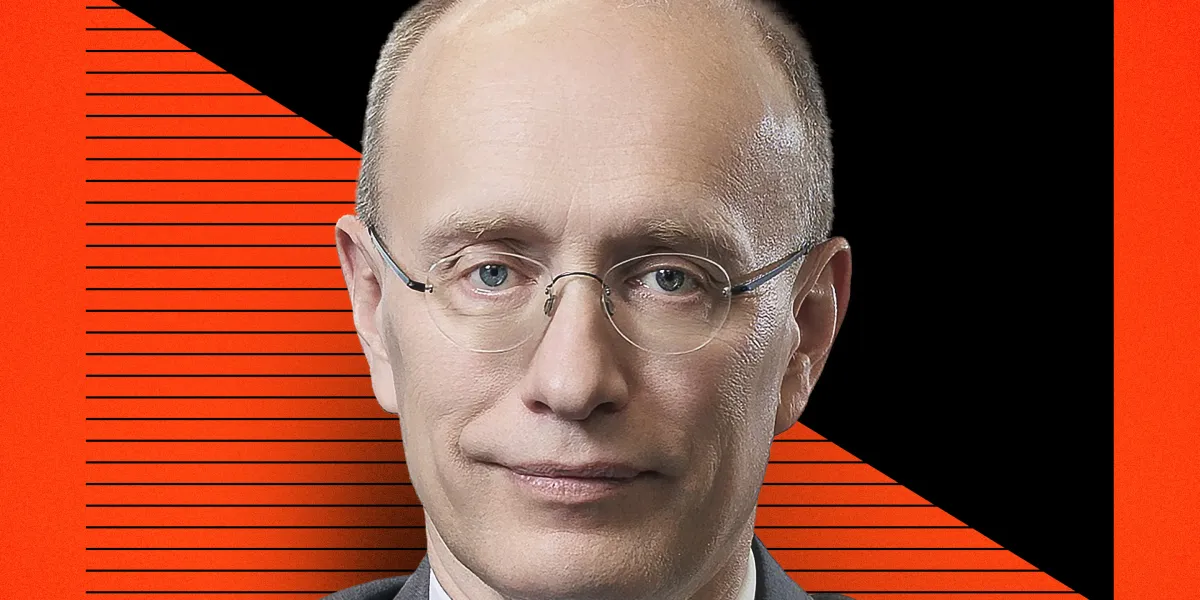
Vietnam has to find $200 billion to fund its ambitious growth agenda. Techcombank’s CEO thinks that has to come from overseas
When Techcombank CEO Jens Lottner looks at Vietnam’s growth ambitions, he sees a simple mismatch: big plans, not enough money. Vietnam’s economy grew by just over 8% in 2025, the second-highest rate in a decade. Hanoi’s ambitions are even more aggressive: It wants Vietnam to grow by 10% a year by 2030, and reach high-income…
-

Wall Street is gaining access to new catastrophe models to help predict wars
As Wall Street races to incorporate war into its risk scenarios, the same people modeling natural catastrophes are now adapting their methodology to help investors, banks and insurers predict military conflicts. Since 2008, the number of countries engaged in external conflicts has nearly doubled to just over 100, while the economic impact of violence now…
-

Exclusive: Mastercard launches protocol to let AI agents pay each other, send micropayments
Mastercard is diving deeper into AI payments. The card giant announced on Wednesday that it was launching a protocol to let AI actors more easily pay each other. Called Agent Pay for Machines, the new network is meant to make smaller money transfers easier when, for example, an AI agent wants to access data piecemeal…
-
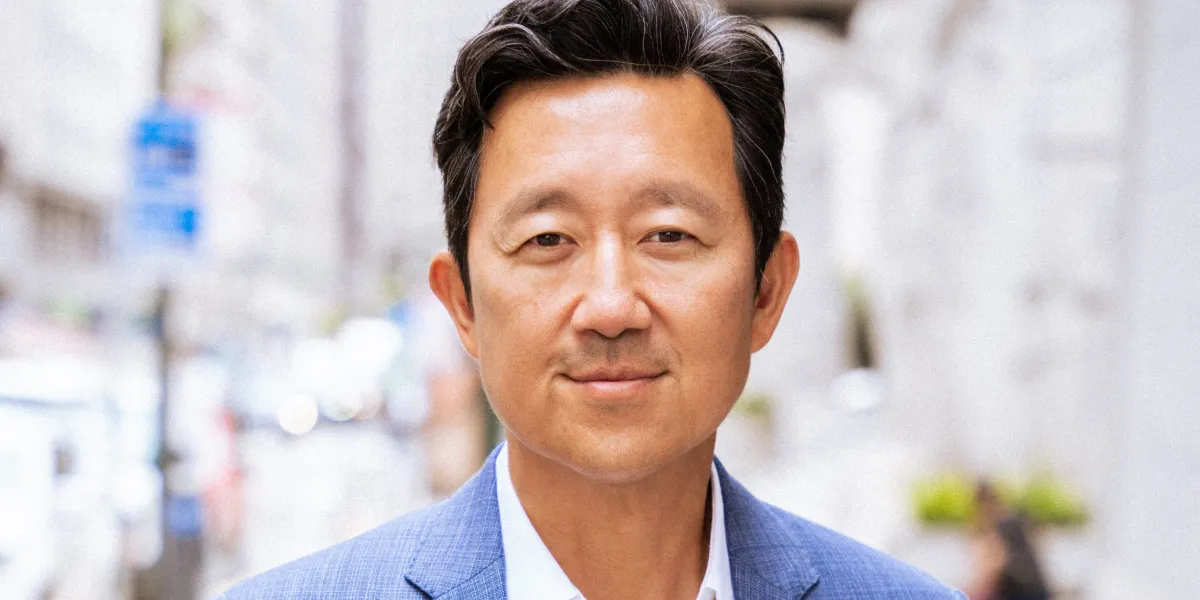
Visa’s CFO downplays the importance of stablecoin and agentic commerce to the U.S. payments giant—at least in the short term
Payments giant Visa is growing at its fastest rate in years, but it’s not because of some of its latest innovations in digital currencies and agentic AI. Visa first started offering stablecoin settlements in 2023 and now has 130 stablecoin-linked card issuing programs across 40 countries. It’s also experimenting with agentic commerce, or allowing AI…
-
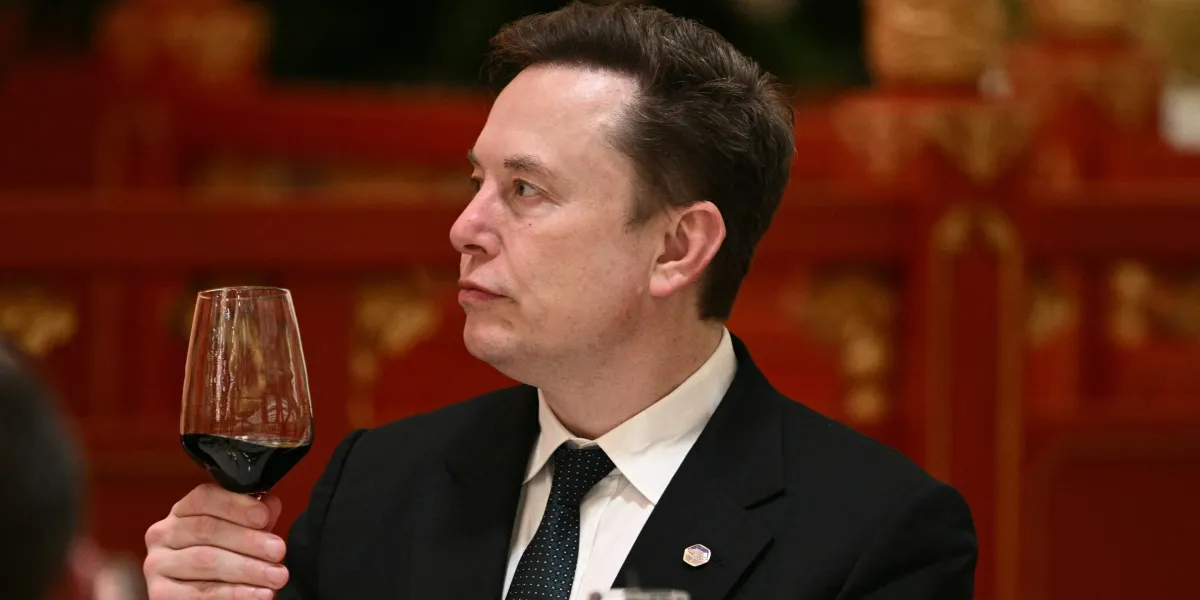
Jamie Dimon called Elon Musk the ‘Edison of our time’ as JPMorgan hosted SpaceX’s $75 billion IPO roadshow—and even invited Musk’s mom
As Elon Musk prepares for what will likely be the biggest listing in history, some top-tier bankers assisting with SpaceX’s public debut are lining up to sing Musk’s praises ahead of the big day. SpaceX is targeting a price of $135 per share when the company goes public—which could happen as early as next week.…
-
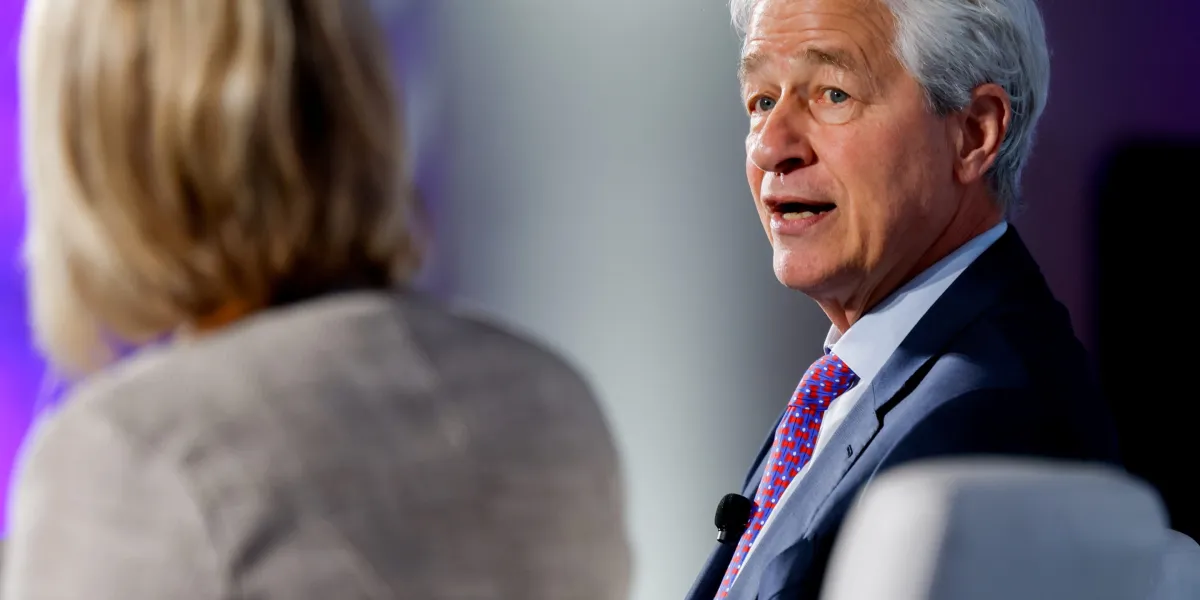
Jamie Dimon sees ‘gung-ho’ attitude and ‘exuberance’ in markets—just like 1972, 1986, 2000 and 2007. Uh Oh.
The deals are flowing, bankers are busy, sponsors are spending. The clients aren’t hesitating. “It’s gung-ho, folks,” Jamie Dimon told the Bernstein Strategic Decisions Conference on May 27. Then came the footnote that should make every CFO, fund manager, and investor think twice. “There’s a lot of exuberance out there,” Dimon continued. “But it was…
-
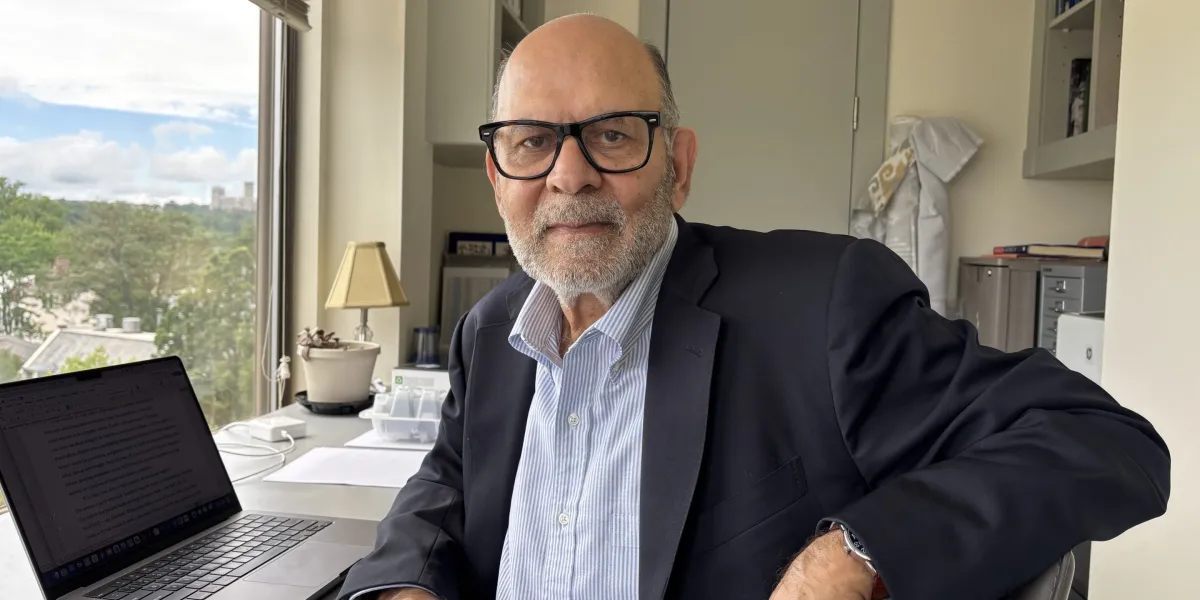
‘Where we are today is frightening’: a Pulitzer-winning historian sees a doomsday scenario involving China and the national debt
Liaquat Ahamed has spent his career studying the moments when the world’s financial system breaks down — the bad bets, the collective delusions, and the geopolitical accidents that tip economies into catastrophe. Right now, he says, he doesn’t like what he sees. “Where we are today is frightening,” Ahamed, the Pulitzer Prize-winning author of Lords…
-
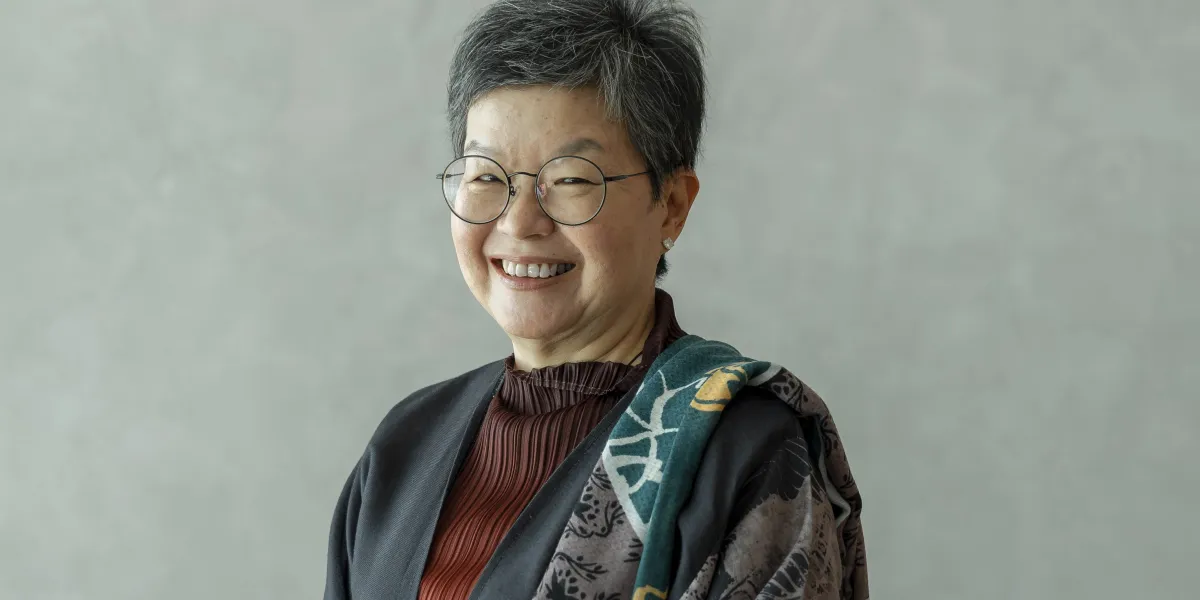
Why Amy Lee, the niece of Singapore’s first prime minister, helped launch a crypto-friendly bank
When Amy Lee retired from a four-decade-long career in law and finance in 2020, she felt it might be a chance to relax. Instead, she found herself getting antsy. “For my whole life, I thought I would enjoy retirement,” she tells Fortune at her home in central Singapore. “To my horror, I developed insomnia because…
-
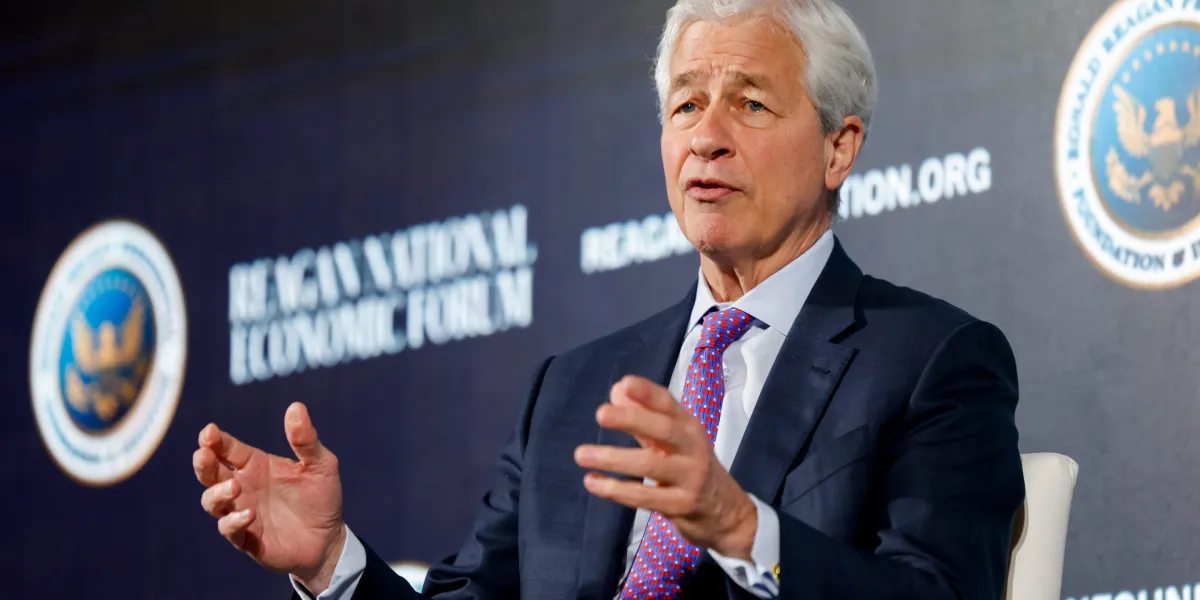
Jamie Dimon slams Coinbase CEO as ‘full of sh*t’ and warns banks won’t accept crypto bill
J.P. Morgan CEO Jamie Dimon is back on frank form when it comes to crypto bill the Clarity Act, saying a proponent of the legislation—Coinbase CEO, Brian Armstrong—is “full of shit.” Dimon, the leader of the largest bank in the U.S., was asked on Friday about the landmark bill that would establish a regulatory framework…
-
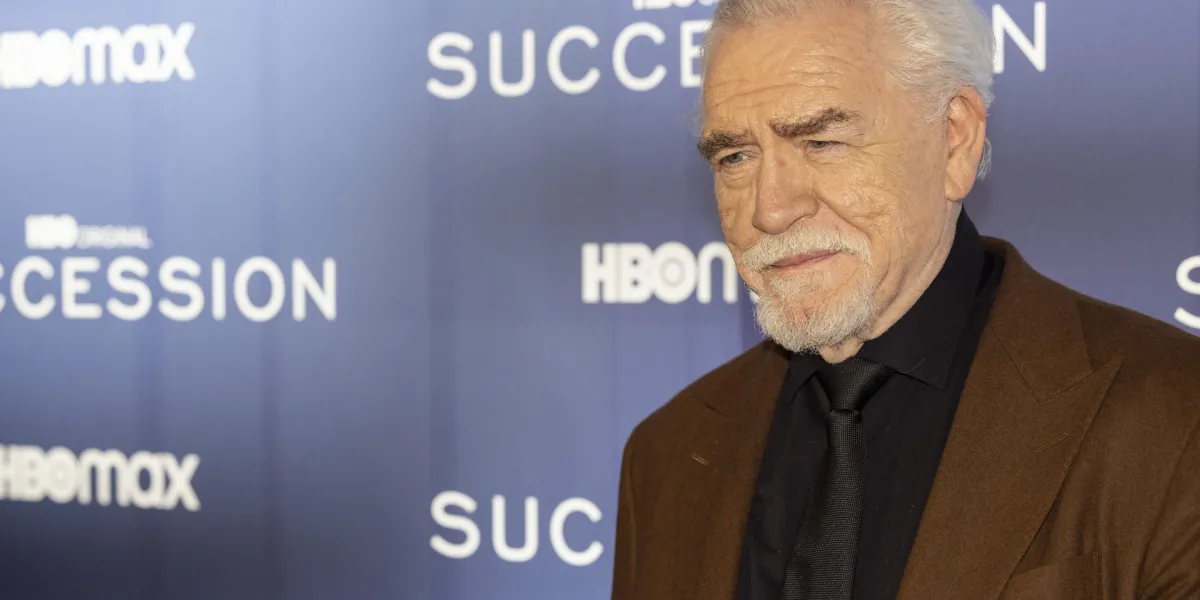
Billionaires already couldn’t talk to their grandchildren. Now they’re on opposite sides of the AI divide
The scene plays out in family offices from Greenwich to Geneva, in slightly different variations but with a familiar arc. A junior analyst — often the founder’s grandchild, or close to it — has spent the last six months running investment memos through an AI summarization tool. The results are good. Hours of work compressed…