Cybersecurity
-
From missiles to malware: Why the Gulf is stepping up its operational resilience
A surge in cyberattacks, physical strikes on cloud infrastructure and the growing use of AI by both attackers and defenders are forcing Gulf states to rethink how they protect critical digital infrastructure. The importance of enhancing operational resilience across the Gulf has taken on new urgency since the outbreak of the U.S.-Iran war on February…
-
Job scams are getting more sophisticated, and they’re costing Americans millions
We’ve all received them. A misspelled message from a nameless, so-called recruiter, likely from a sketchy iCloud or Outlook email address, telling you they have the perfect job opportunity for you. An obvious scam. But the days of weak attempts to siphon your information are over. In the AI era, scams are getting more sophisticated…
-
The U.K. just banned social media for kids under 16. The founder of ‘safe TikTok’ says the U.S. is next
When the UK government announced this week that it would ban children under 16 from TikTok, Instagram, YouTube, and X, Zak Ringelstein wasn’t surprised. He was ready. That’s because Ringelstein is the founder and CEO of fast-growing kids social media platform Zigazoo, which has spent six years building exactly what governments around the world are…
-
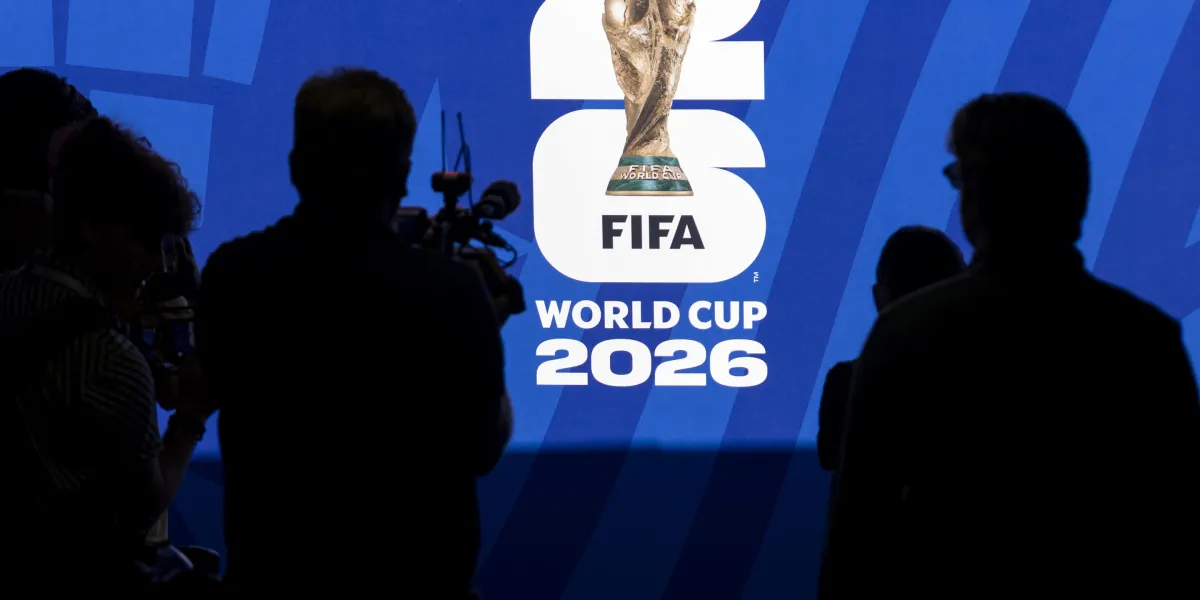
World Cup, America 250 face new risk with spy law lapse
A controversial spy powers law has become the latest political casualty of President Donald Trump’s second term, injecting uncertainty into US intelligence gathering in a summer dominated by the World Cup and high-profile events celebrating the country’s 250th anniversary. Republicans have painted a dire picture of the consequences of the lapse in the law, which…
-
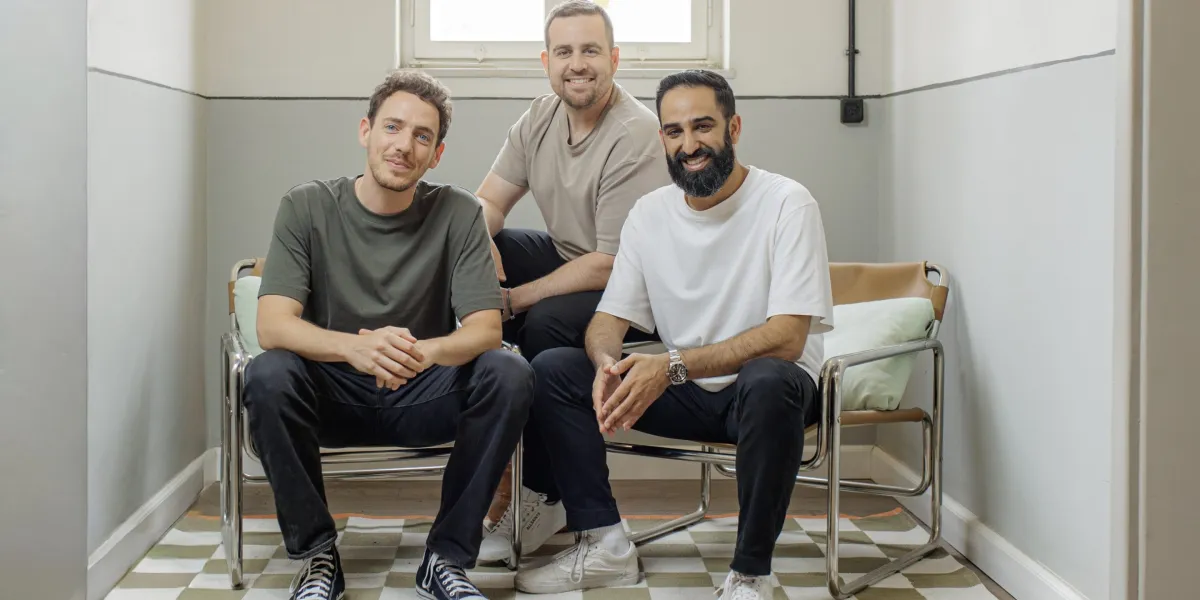
Why Lightspeed and Wiz’s Assaf Rappaport bet $37 million on an AI-powered cyberattacker
Mock cyber attacks used to cost about $30,000, take two weeks, and tell companies what their defenses looked like six months ago. Then Anthropic’s Mythos showed up, exposing thousands of zero-day vulnerabilities. A (yes, as in the letter) uses AI to continuously break into its own customers’ systems—finding real attack paths and fixing them—before actual…
-
IBM, AT&T accused by whistleblower of covering up foreign hacks
International Business Machines Corp. and AT&T Inc.’s computer systems were repeatedly breached by foreign hackers, and the companies concealed those intrusions from the US government in violation of the law, according to a lawsuit from a former IBM cybersecurity official. William Barlow, IBM’s former vice president of threat intelligence, alleged in the complaint that the…
-
A new AI-powered computer worm could prove to be the stuff of cybersecurity nightmares
In cybersecurity, few words trigger more dread than ‘wormable’—a vulnerability that could be weaponized into a self-spreading worm. Now researchers at the University of Toronto have demonstrated something worse: an AI-driven worm that can’t be stopped by patching a single flaw, because it uses reasoning to detect and exploit different vulnerabilities as it spreads. In…
-
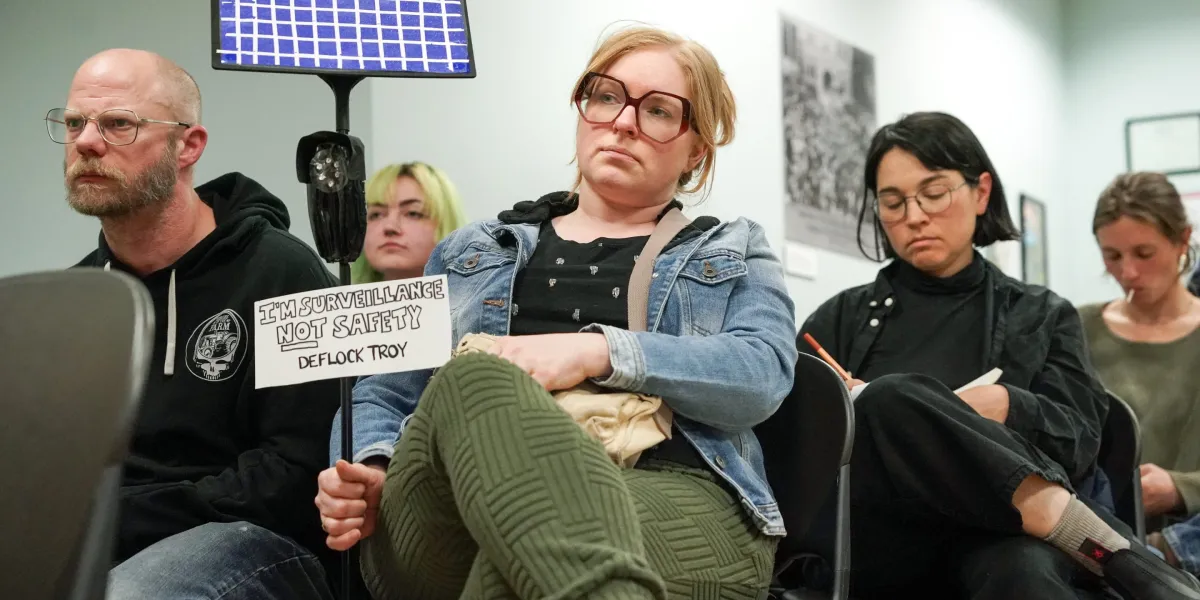
Ohio city workers are covering automated license plate readers with trash bags as officials sound the alarm on ‘egregious violations’ of privacy
Across Dayton, Ohio, city workers are pulling black trash bags over dozens of automatic license plate readers previously installed by the local government, rendering the devices useless. The move comes after city officials suspended the use of these Flock Safety cameras over concerns the system’s data was being used for immigration enforcement. Last month, the…
-
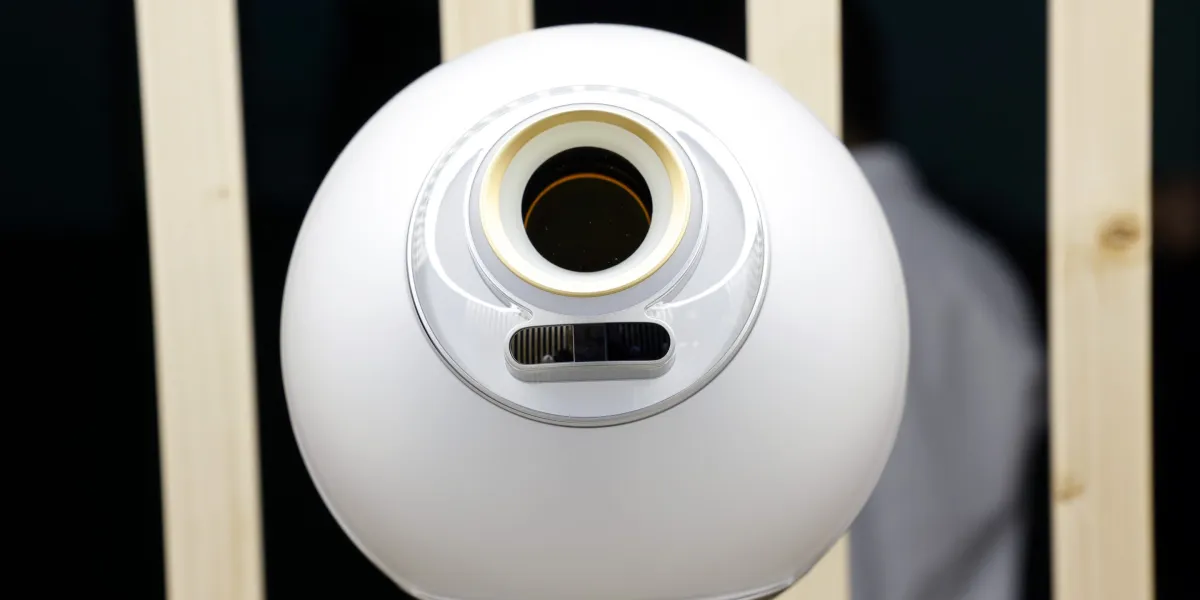
How to save the internet—according to Sam Altman’s all-seeing Orb
Are you real? It’s a mind-boggling question and one that executives at Europe’s biggest companies are asking more frequently, as bots, phishers, and bad AI undermine their ability to understand what is true and what is not. In recent years, chief executives have become targets of elaborate deepfakes scams, while scrambling to regulate the growing…
-
Taylor Swift just exposed a blind spot in AI law — and it’s bigger than copyright
As one of the most popular celebrities in the world, Taylor Swift has already endured her share of AI-related abuse. Fake nudes of the singer have spread widely online. Her voice and likeness have also been used to create fabricated political messages and bogus product endorsements. In April 2026, Swift pushed back. Her intellectual property…