Energy
-

Europe’s jet fuel supplies should fall below the key 23-day shortage threshold in June, so plan your travel accordingly
Europe is weeks away from crossing a critical threshold that represents a severe and immediate shortage of jet fuel, triggering many more flight cancelations and even the possible closures of smaller airports. A new Goldman Sachs research report estimates that Europe’s commercial jet fuel inventories are slated to dip below the International Energy Agency’s critical…
-
Top U.S. oil producer declares ‘green’ light on drilling for more oil amid Iran war
A top oil and gas producer in West Texas’ booming Permian Basin declared a “green” light for the reluctant U.S. energy sector to start churning out more volumes amid the ongoing Iran war and sky-high crude prices. Midland, Texas-based Diamondback Energy—the third-largest Permian player after Exxon Mobil and Chevron—said it is adding both fracking (hydraulic…
-

‘You could say the ceasefire has ceased’: Iran is back on Wall Street’s radar as oil prices spike 6%
The truce between Iran and the U.S. that has been fraying over the last four weeks finally showed its first real tears on Monday. President Donald Trump said Sunday that the U.S. would help ships get out of the Strait of Hormuz in an effort he called Project Freedom, challenging Iran’s control over the waterway. …
-
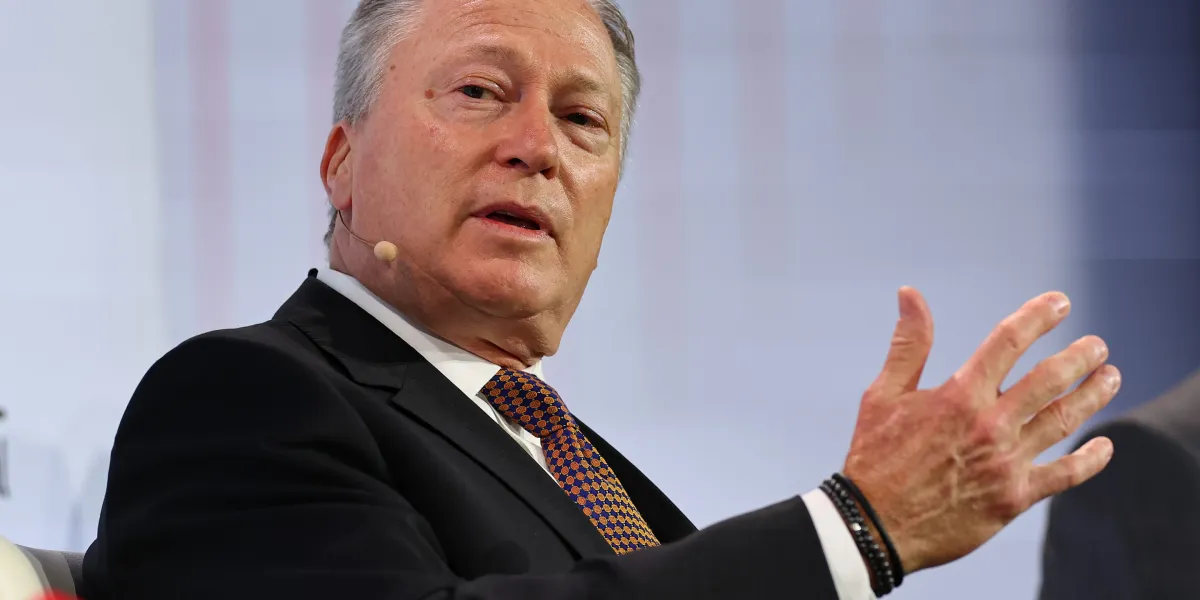
Enbridge aims to help North America win from the AI boom and the Iran war as the FedEx of energy delivery
Call it the FedEx of energy. Calgary-based Enbridge has grown into the largest oil and gas pipeline company in the world by market cap—$120 billion—delivering vital energy supplies across the globe. Just don’t simplify Enbridge to only putting pipe in the ground. With assets that span renewables to utilities, Enbridge boasts a broad array of…
-

Markets on alert as Trump vows ‘Project Freedom’ for Hormuz, setting up potential showdown after renewed attacks on ships
Financial markets were muted on Sunday as investors were reluctant to bite on the latest well-timed social media post from President Donald Trump about Iran. Futures tied to the Dow Jones industrial average rose 84 points, or 0.17%. S&P 500 futures were up 0.11%, and Nasdaq futures added 0.06%. U.S. oil futures dipped 0.77% to $101.16 a barrel, and…
-
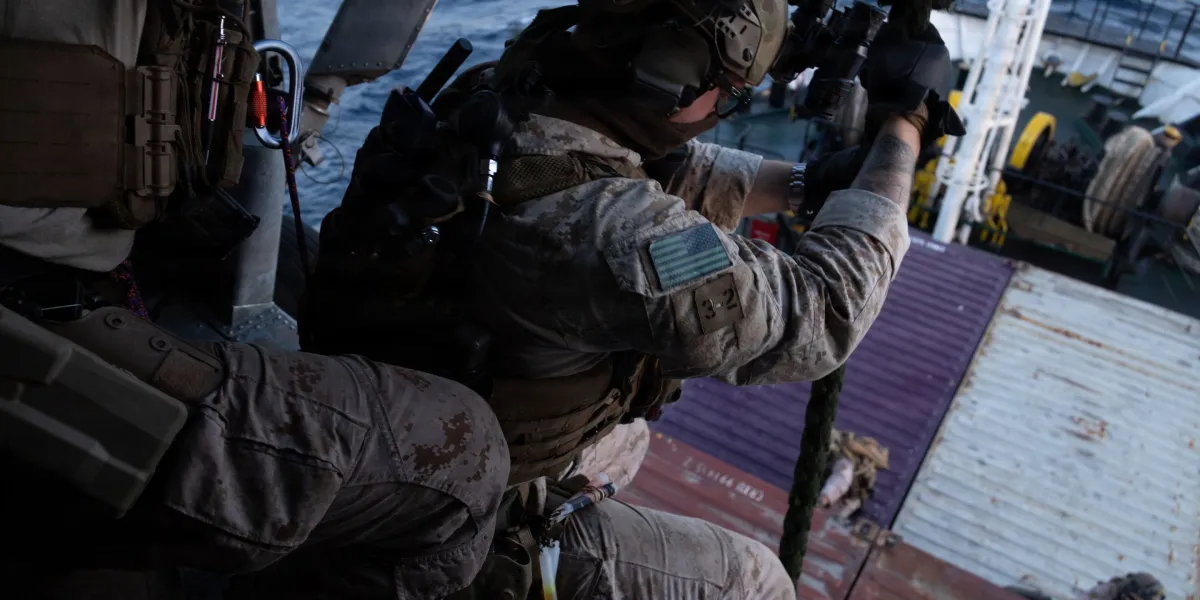
The clock is ticking as oil markets barrel toward nightmare scenarios with the West bracing for ‘tank bottoms’ and Iran racing to delay ‘tank tops’
The West and Iran are staring down two diametrically opposed oil market emergencies that could materialize in a matter of weeks. With the Strait of Hormuz still largely closed more than two months after the U.S. and Israel launched their war against Iran, oil inventories among top consuming countries are rapidly disappearing. Frederic Lasserre, head…
-
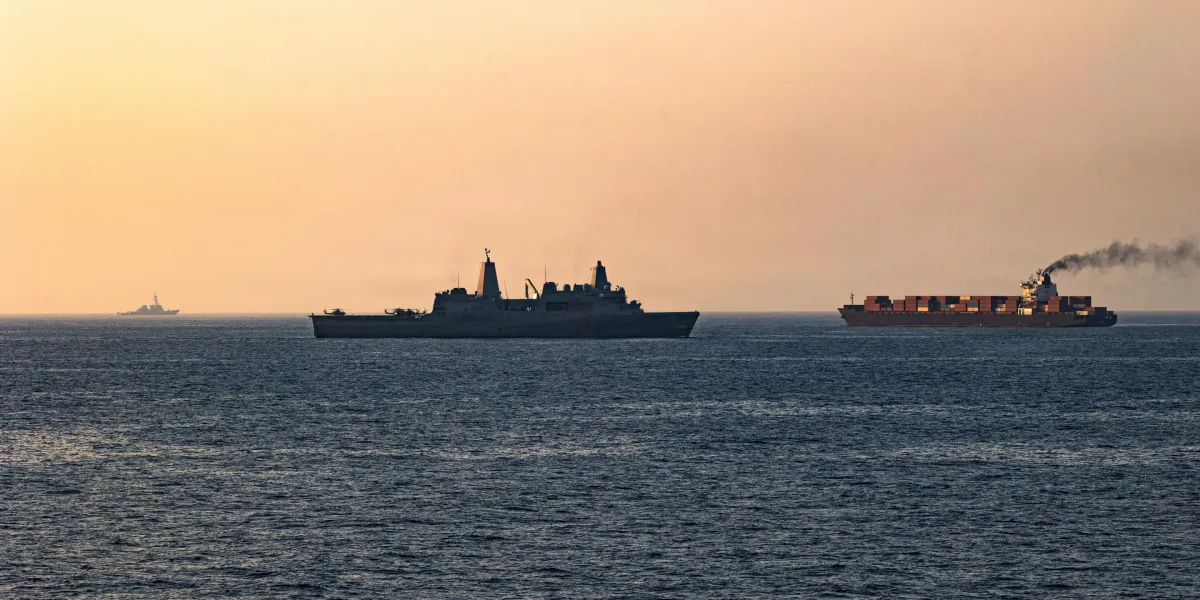
Iran juggles oil cuts and storage strain to resist U.S. blockade
As the US naval blockade in the Strait of Hormuz tightens around Iran’s oil trade, exports have plunged in recent weeks and storage is rapidly filling. Already, the country has begun curbing production, according to a senior Iranian official. But there’s a crucial caveat Washington may be underestimating: Tehran has decades of experience preparing for…
-

One economist’s ‘radical idea’ to solve the biggest energy crisis in history: a reverse OPEC
The world is facing the largest energy crisis in modern history—and the U.S. may be the country with the most power to do something about it. Oil exports are projected to slow by 1.5 million barrels per day in the second quarter of 2026, leaving Pakistan, Indonesia, and the Philippines within days of running out…
-
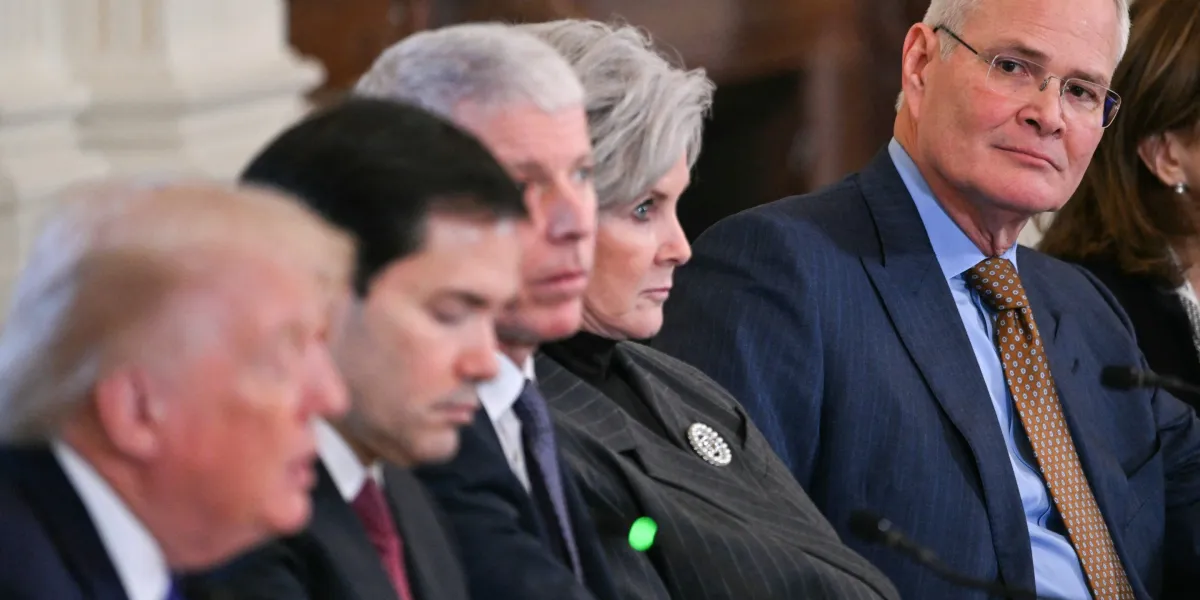
Exxon Mobil CEO sees ‘more to come’ on price spikes from Iran war as Exxon, Chevron beat on earnings despite plunging profits
Exxon Mobil CEO Darren Woods predicted that crude oil and fuel prices will continue to surge higher in the weeks ahead if the Strait of Hormuz remains blockaded. Both Exxon and Chevron are projecting big profit gains in the ongoing second quarter because of higher prices, even with some of their Middle Eastern operations remaining…
-
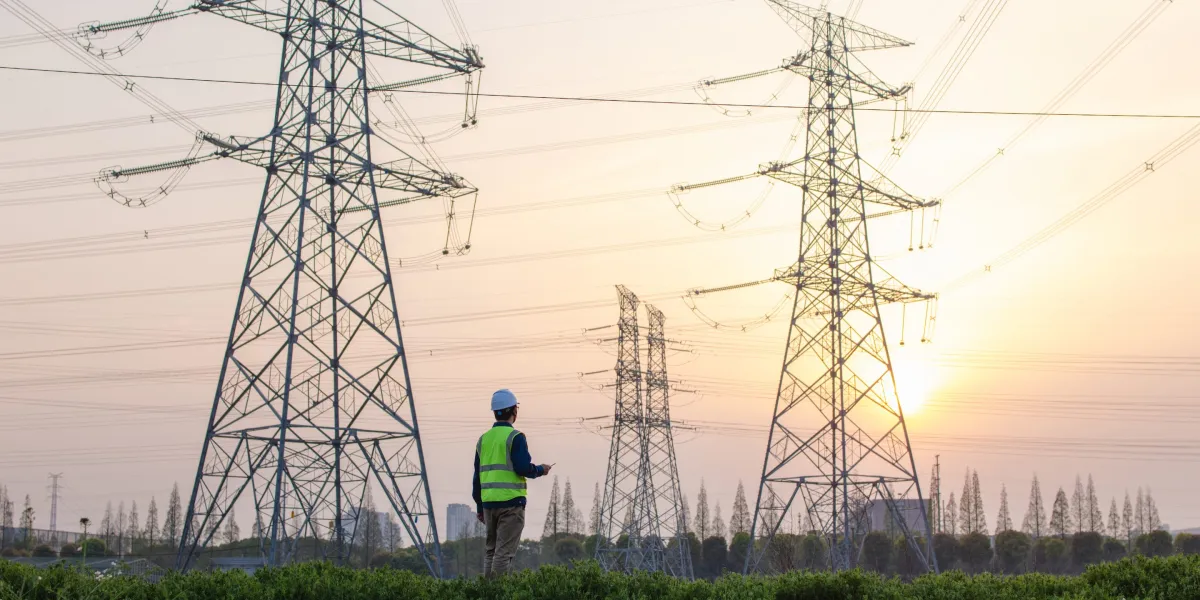
Utility CEOs pocket $626 million as American energy bills hit record highs
For years, American households have been watching their electrical bills gradually tick higher. As it turns out, the chief executives of the country’s largest investor-owned utilities were doing the same thing while looking at their paychecks. Last year, 51 electrical and gas utility companies in the U.S. paid their CEOs a collective $626 million, according…