Energy
-
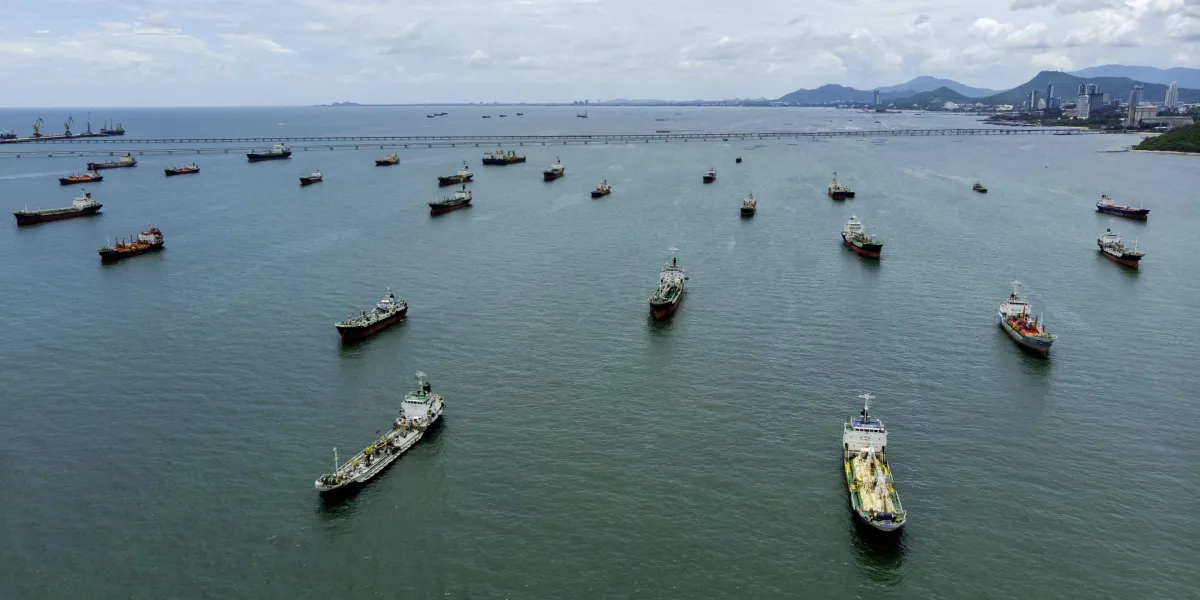
Why no nation is truly ‘energy independent’ while the Strait of Hormuz remains closed
Marine traffic leaving the Middle East has again dropped from a trickle to barely a drip. This comes after a decision by the U.S. to blockade Iran’s ports in response to threats by Iran to attack energy exports it hadn’t approved leaving the critical Straight of Hormuz chokepoint. As Asia struggles with energy shortages that…
-
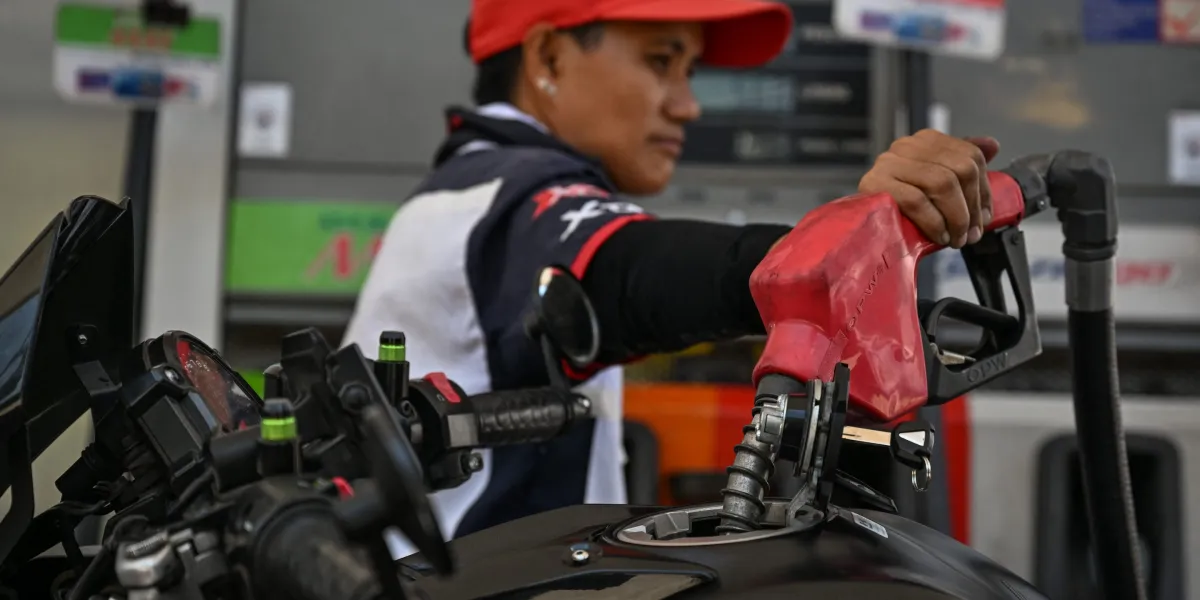
Oil prices may be falling, but for the wrong reason: a ‘demand destruction’ throttling global consumption, report finds
Oil prices are beginning to fall from their March peak, but policy experts warn sinking energy costs don’t necessarily mean the global economy has stabilized as the Iran war continues on. A report published by the International Energy Agency (IEA) on Tuesday noted the threat of “demand destruction” as consumers and global economies turn away…
-
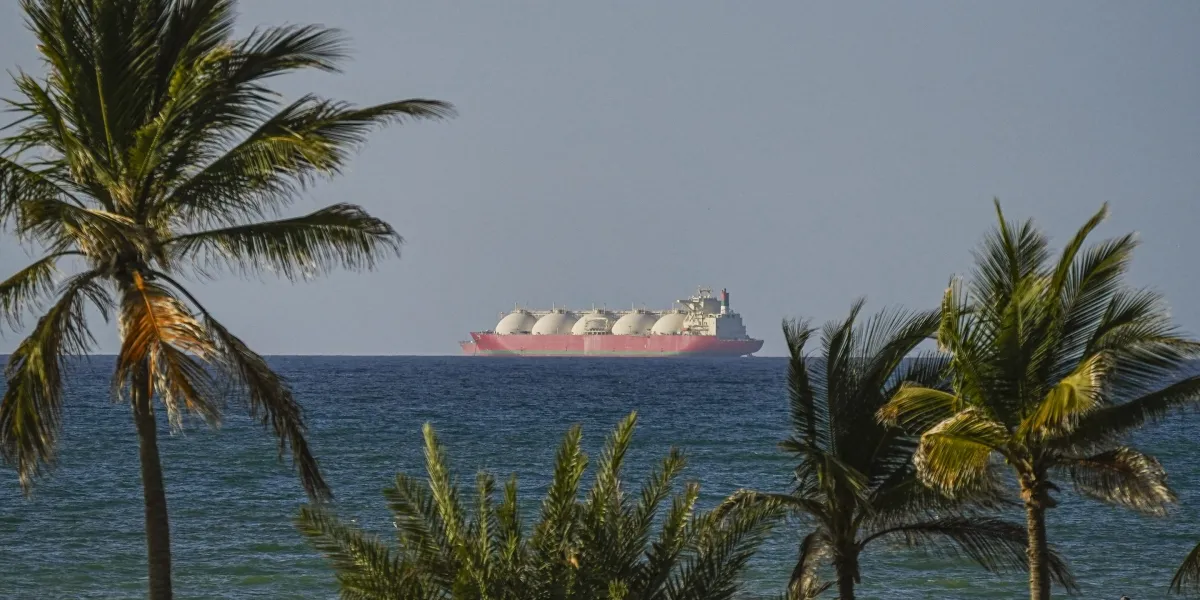
Iran and the U.S. live in 2 different worlds, law of the sea expert says—and both of those are different from most maritime law
The Strait of Hormuz exists in the eye of the beholder. While everyone agrees that, geographically speaking, it is a strait – a narrow sea passage connecting two places that ships want to go – its political and legal status is rather more complicated. The United States and Iran both eye the strait – a…
-
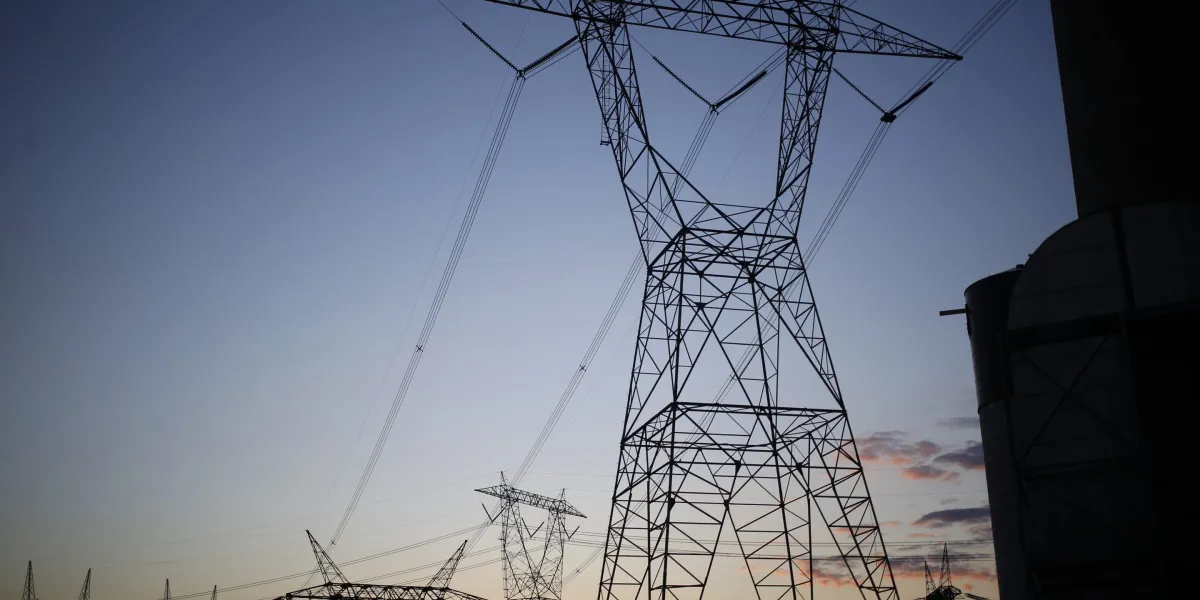
U.S. utilities are planning a $1.4 trillion spending spree, up 30%, over the next five years amid the AI construction boom
U.S. utilities and power generators are hiking their spending plans to record levels at the same time as consumer utility bills have surged to new highs—and it’s no coincidence. Investor-owned utility companies increased their capital spending plans by more than 27% to at least $1.4 trillion through 2030—up from $1.1 trillion a year ago—and that’s…
-

Wall Street is the biggest winner of the Iran war — and the S&P 500 just turned positive for the year
Markets opened down nearly 1% across the indices on Monday, but news-aggregating accounts online and on social media picked up on a report by New York Post pentagon reporter Caitlin Doornbos. At 7:46 a.m. Monday, Doornbos had posted on X that Iranian officials were still considering a U.S. proposal to end the war, “centering around…
-
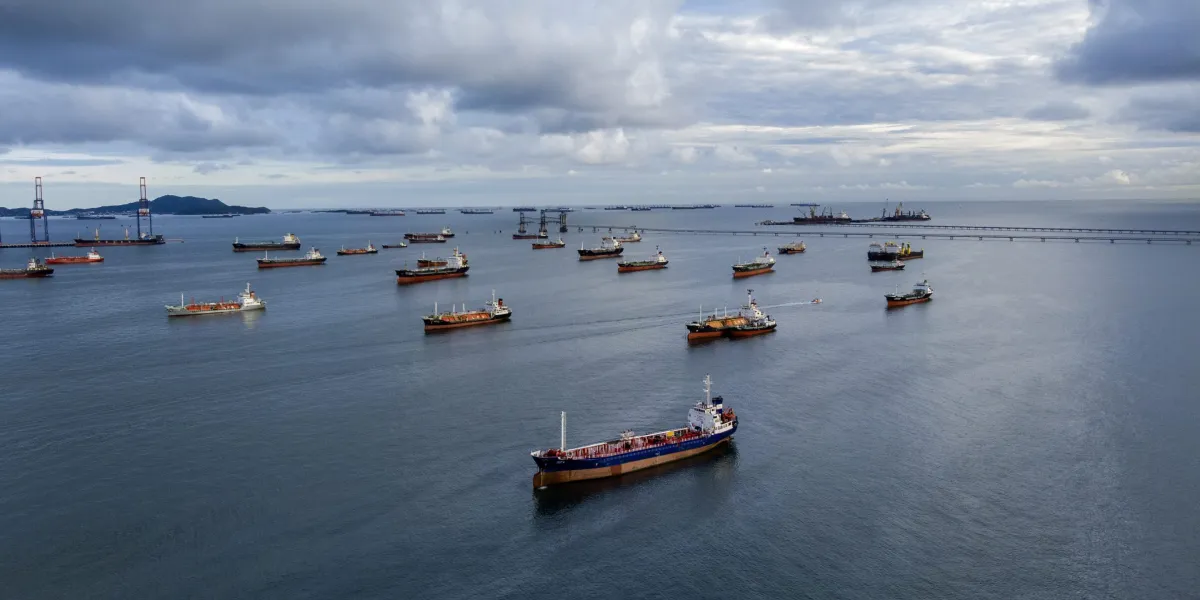
With the U.S. now blockading the Strait of Hormuz, the focus is on who has the ‘guts to go through first’
Early on April 13, the oil tanker Rich Starry—loaded with Iranian crude and headed for China—made a dramatic U-turn. Instead of exiting the Strait of Hormuz, as it had planned, the ship joined a stationary flotilla of about 800 other vessels, including 400 oil and gas tankers, most of which have remained idle and stranded…
-

Trump threatens to blow up Iran’s last ships ‘using the same system of kill’ as drug boats as his ‘Hail Mary’ blockade begins
President Donald Trump posted a warning for Iran on Truth Social Monday morning, only 23 minutes after the U.S. blockade of Iran’s coastline went into effect. “Iran’s Navy is laying at the bottom of the sea, completely obliterated—158 ships,” Trump wrote. “What we have not hit are their small number of, what they call, ‘fast…
-

Irish PM offers $592 million fuel tax cut to reopen refinery as farmers and truckers wage cost-of-living protest
Irish Prime Minister Micheál Martin said Sunday that his government will offer new fuel tax cuts to try to end crippling protests over soaring gas costs, though he slammed the tactics of farmers and truckers who had blocked access to the nation’s only oil refinery and several depots. Martin said the package amounting to 505…
-
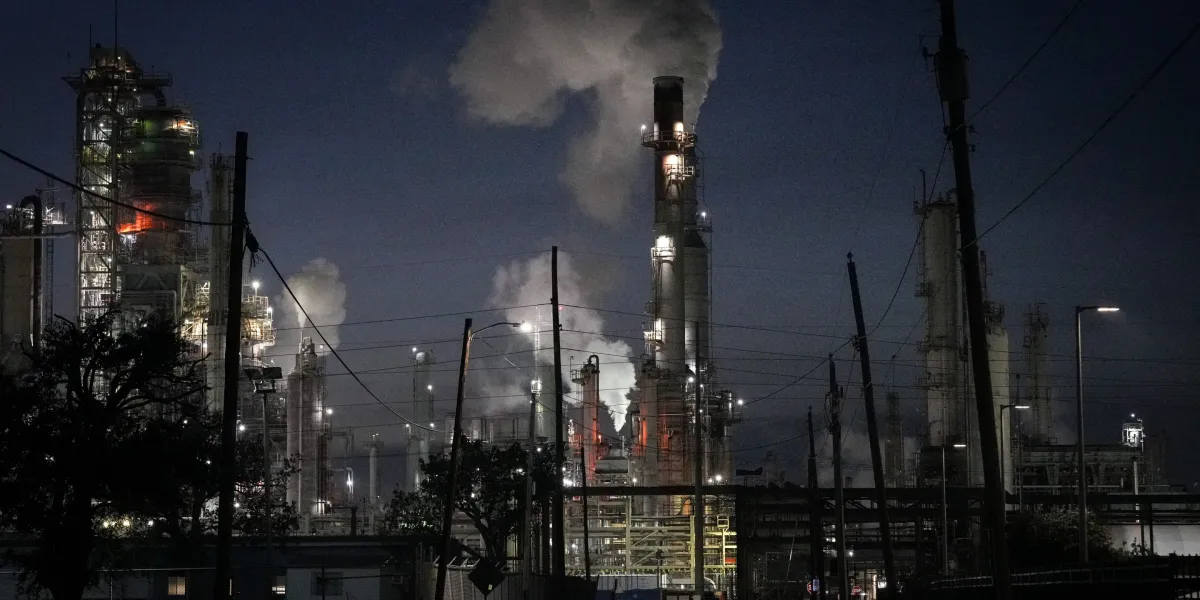
A major U.S. gasoline production hub is in such a severe drought that its refineries may be hobbled. ‘We are actively praying for a hurricane’
In parched southern Texas, a yearslong drought has depleted Corpus Christi’s water reserves so gravely that the city is scrambling to prevent a shortage that could force painful cutbacks for residents and hobble the refineries and petrochemical plants in a major energy port. Experts said the city didn’t expect such a bad drought, and new…
-
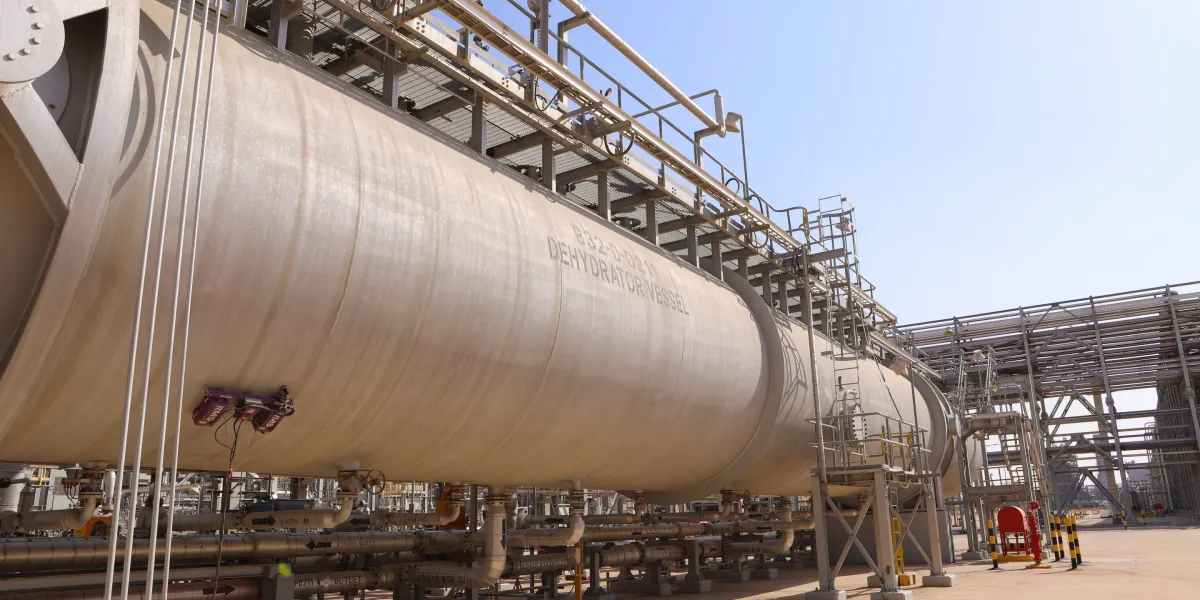
Saudi Arabia says East-West pipeline restored to full capacity
Saudi Arabia has restored the full pumping capacity of its East-West pipeline to 7 million barrels a day, rehabilitating a vital link for oil exports via the Red Sea. A strike last week — hours after a ceasefire was declared in the Iran war — damaged one of 11 pumping stations along the 746-mile (1,200-kilometer)…