Energy
-
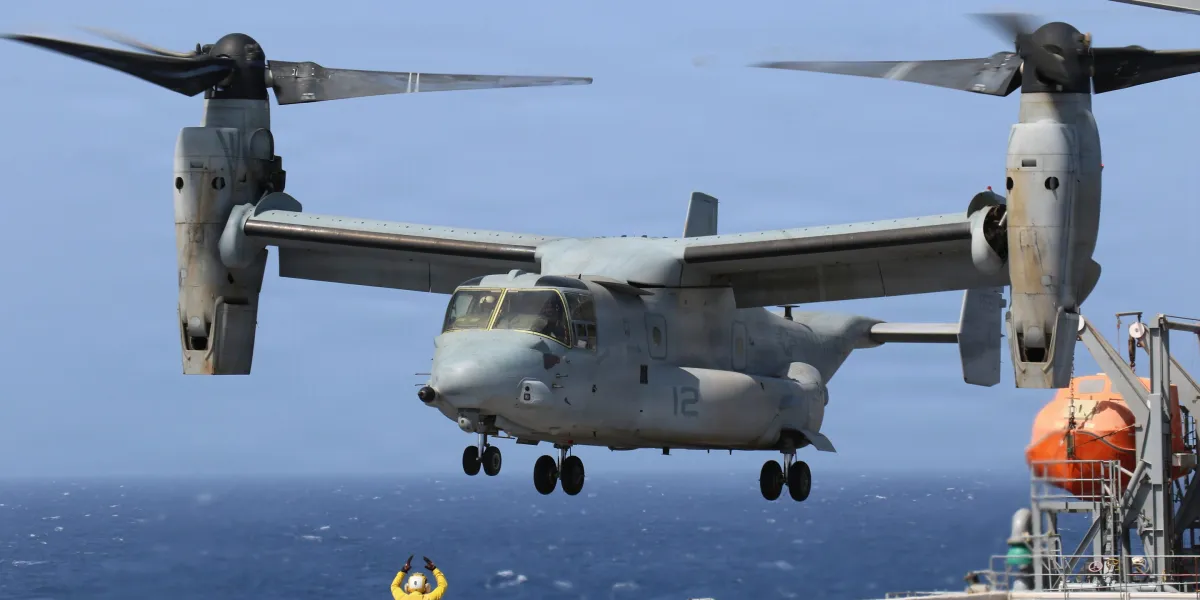
Shipping companies will decide when the Strait of Hormuz is truly open—not the U.S. or Iran—and the latest deal is already sowing confusion
Just days after the U.S. and Iran signed a memorandum of understanding to reopen the Strait of Hormuz, Tehran announced the critical waterway is closed again, threatening oil flows after they had barely started to rebound. On Saturday, Iran’s military command said it closed the strait, citing continued Israeli attacks on Lebanon and U.S. “bad…
-

Iran floats ‘insurance fees’ and asserts control over Hormuz
Iran sought to assert control over the Strait of Hormuz by saying that ships need its permission and mandatory insurance in order to cross, even as the US said that 20 ships had quietly sailed through overnight via a route along Oman’s coast. The conflicting signals come as the shipping industry tries to assess whether…
-

The U.S. and Iran have signed a peace deal. How long will it take for oil flows in Asia to return to normal?
The U.S. and Iran signed a long-awaited “memorandum of understanding” on June 17, pausing a Middle East conflict that upended global oil markets. As part of the deal, Iran agreed to reopen the Strait of Hormuz, the waterway that leads to the Persian Gulf and home to some of the region’s top oil producers. Iran’s…
-
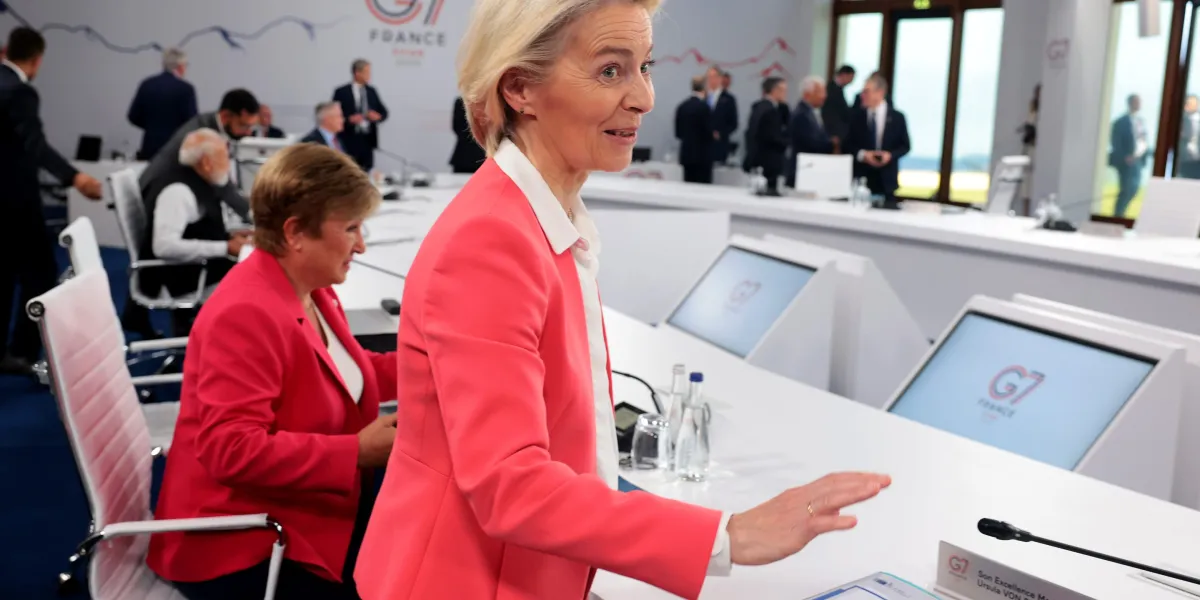
Europe’s $29 billion Iran War bill is driving a scramble for new energy routes
The Iran war ‘s shock to global fuel prices has reinforced Europe’s stance that it must forge alternative trade and energy routes to the Strait of Hormuz. Here is a look at what the European Union is contemplating to bolster its energy security and minimize the impact of future conflicts as it turns to Gulf…
-

The Iran war exposed Southeast Asia’s energy vulnerability. Now its import bill could triple to $245 billion
The Iran war has exposed major risks for Southeast Asia that could cost the region billions of dollars, if it doesn’t diversify sources of energy more quickly, according to an International Energy Agency report released Tuesday. An overreliance on oil and gas transported through the Strait of Hormuz left the region particularly vulnerable to shocks…
-

Filling up your car won’t feel normal until next summer, S&P says
The war in the Middle East might be drawing to a close, but one of the largest energy disruptions in history still needs some time to iron out the kinks. On Sunday, the U.S. and Iran announced a memorandum of understanding to end their conflict that has been waged on and off since February. The…
-

The jet fuel crisis never existed, sources say
The end of the conflict with Iran will be accompanied by a sigh of relief from anyone planning air travel. For months, jet passengers have worried that flights might be cancelled due to a lack of jet fuel, given that 20% of the world’s supply transits through the Strait of Hormuz. At one point, the…
-
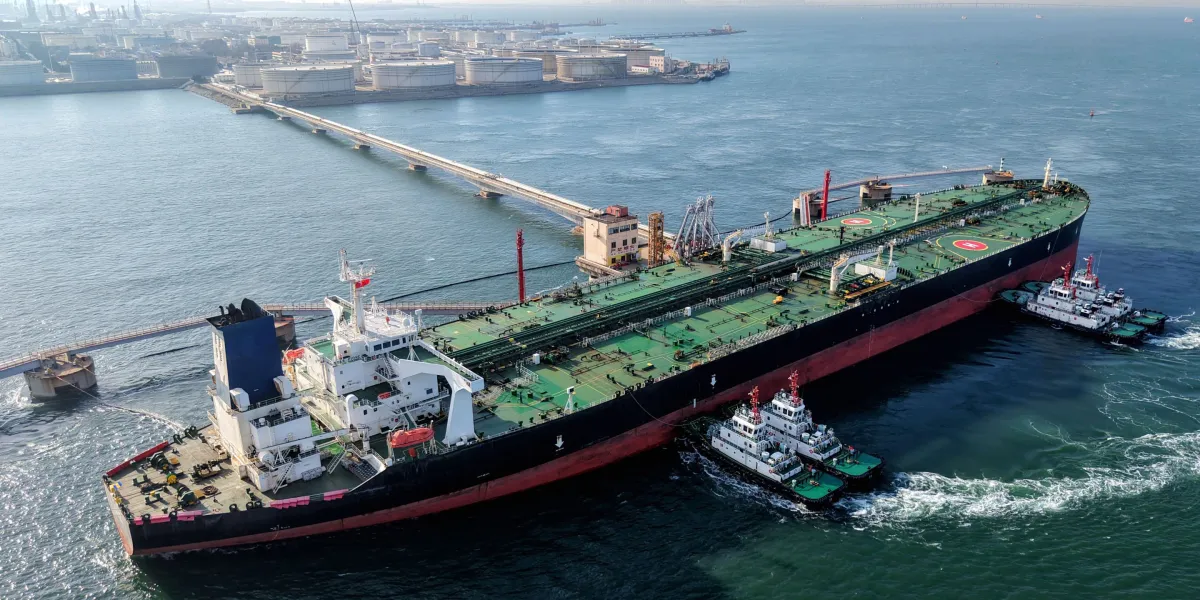
The Strait of Hormuz is finally reopening, but energy flows may not get back to normal until next year
The memorandum of understanding that the U.S. and Iran have endorsed will fully reopen the Strait of Hormuz on Friday, but unwinding the biggest oil disruption ever will take longer than creating it. In a span of just three months, global supplies lost about 2 billion barrels of oil, forcing top energy-consuming countries to tap…
-
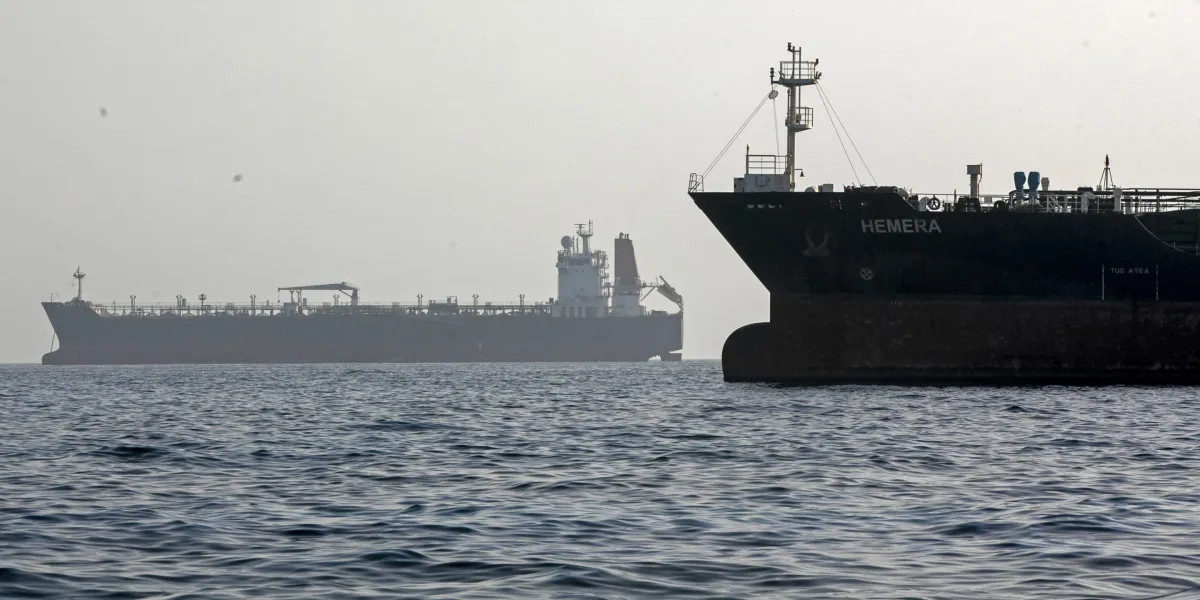
Oil and gas supplies could take months to return to normal after Iran deal, energy experts say
High oil and gasoline prices and energy supply problems won’t be solved overnight, despite an agreement to end the Iran war and open the Strait of Hormuz announced Sunday. It will likely take months before energy companies can resume operations to the point of meeting the world’s demand, according to energy experts. The slow pace…
-
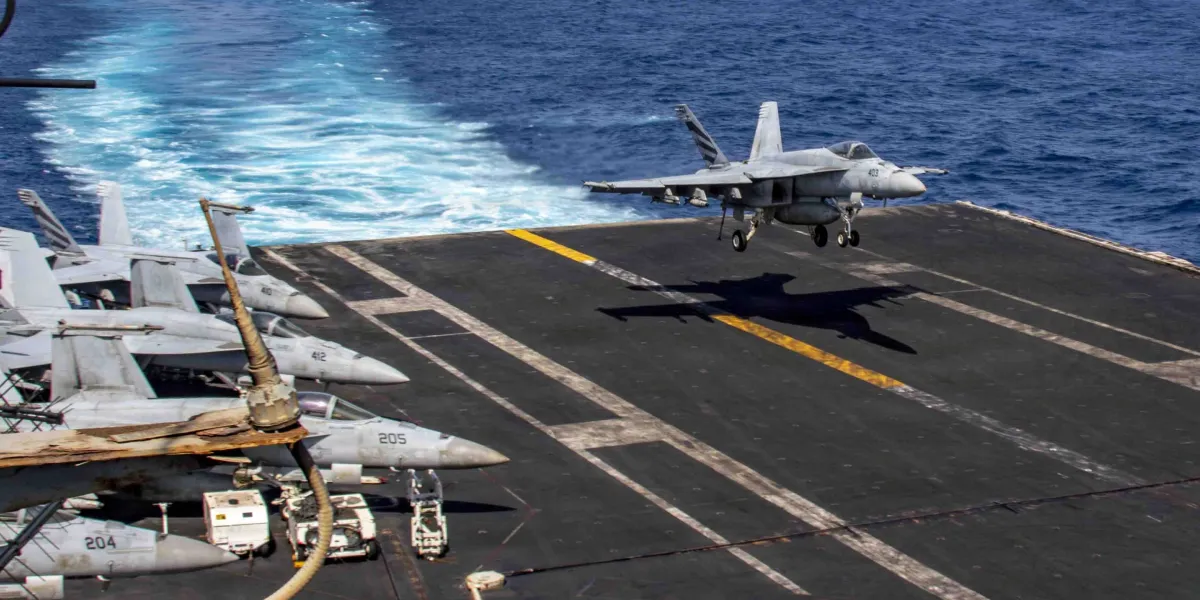
Markets celebrate U.S.-Iran deal as both sides confirm this time is real. Trump says oil will flow and ‘I never cared about regime change’
U.S. stock futures jumped and oil prices tumbled on Sunday after the U.S. and Iran confirmed they reached a deal that would reopen the Strait of Hormuz, after weeks of dashed hopes. Futures tied to the Dow Jones industrial average leapt 267 points, or 0.52%. S&P 500 futures were up 0.79%, and Nasdaq futures surged 1.26%. U.S. oil futures…