Finance
-
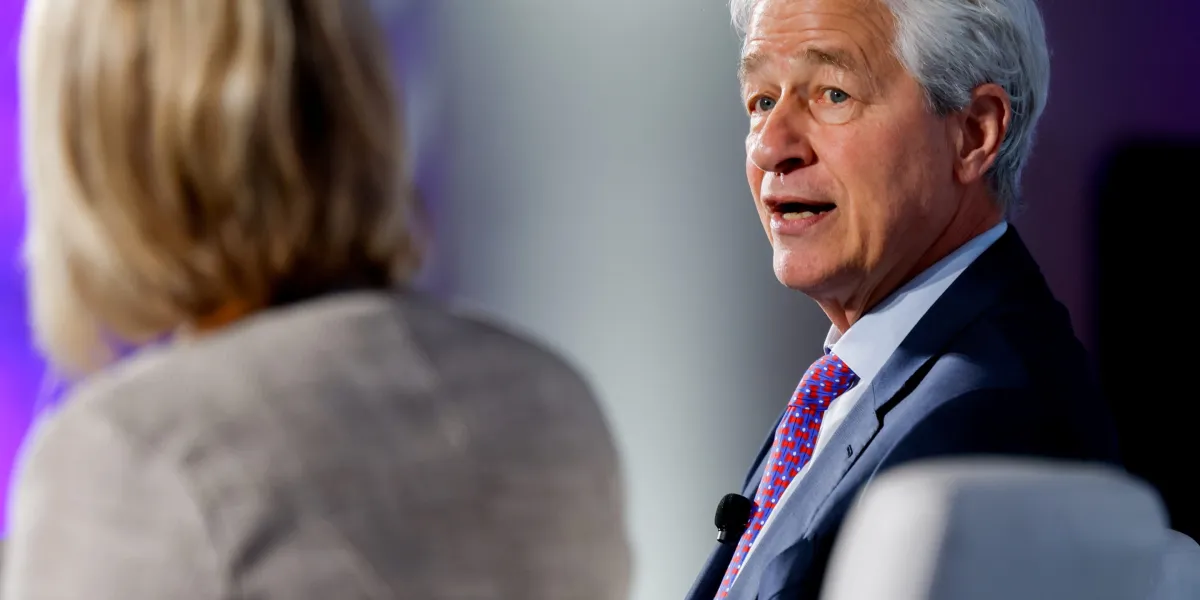
Jamie Dimon sees ‘gung-ho’ attitude and ‘exuberance’ in markets—just like 1972, 1986, 2000 and 2007. Uh Oh.
The deals are flowing, bankers are busy, sponsors are spending. The clients aren’t hesitating. “It’s gung-ho, folks,” Jamie Dimon told the Bernstein Strategic Decisions Conference on May 27. Then came the footnote that should make every CFO, fund manager, and investor think twice. “There’s a lot of exuberance out there,” Dimon continued. “But it was…
-
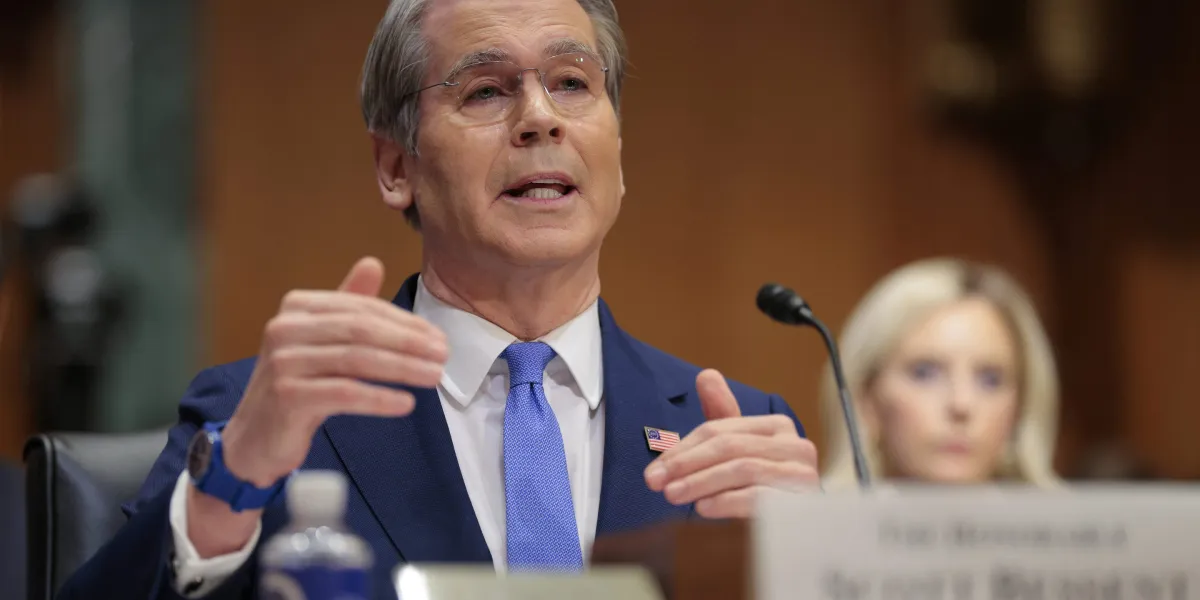
Scott Bessent says America’s in a ‘manufacturing renaissance,’ so where are the jobs?
Testifying before the Senate Finance Committee on Wednesday, Treasury Secretary Scott Bessent leaned hard into a boom narrative, telling lawmakers the country is “having a manufacturing renaissance.” He pointed to roughly 90,000 new non‑residential construction jobs tied to factories, a 50% expansion of Boeing’s plant in Charleston, S.C., that he said will translate into 1,000…
-

I bought peptides with crypto. How my purchase helped fuel a $100 million gray-market, ‘looksmaxxing’ economy
“Hi! I’m interested in buying peptides,” I wrote on WhatsApp. Two minutes later, I received a reply from a U.K. area code from someone calling herself Louise, whose profile picture was of a young woman with airbrushed skin. Louise shared a menu: testosterone boosters, synthetic growth hormones, weight-loss medications, and more. Mindful of my expense…
-
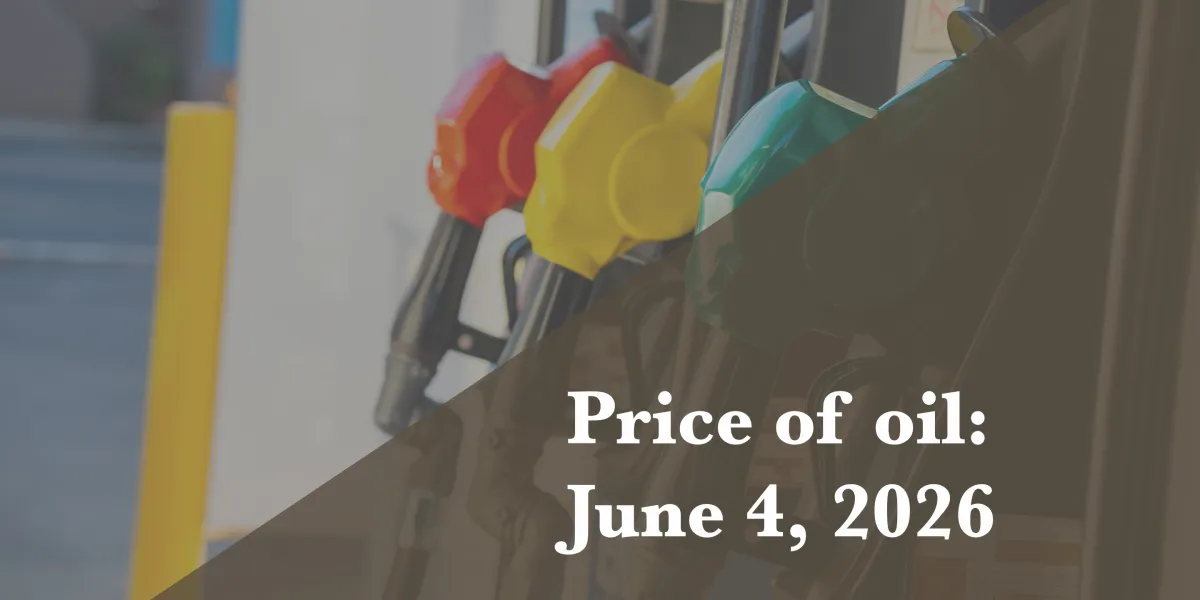
Current price of oil as of June 4, 2026
By 9:15 a.m. Eastern Time today, oil had reached $97.95 per barrel, measured using the Brent benchmark. That’s $3.41 less than it cost yesterday morning and about $32.50 above its price a year earlier. Oil price per barrel % Change Price of oil yesterday $101.36 -3.36% Price of oil 1 month ago $112.72 -13.10% Price…
-
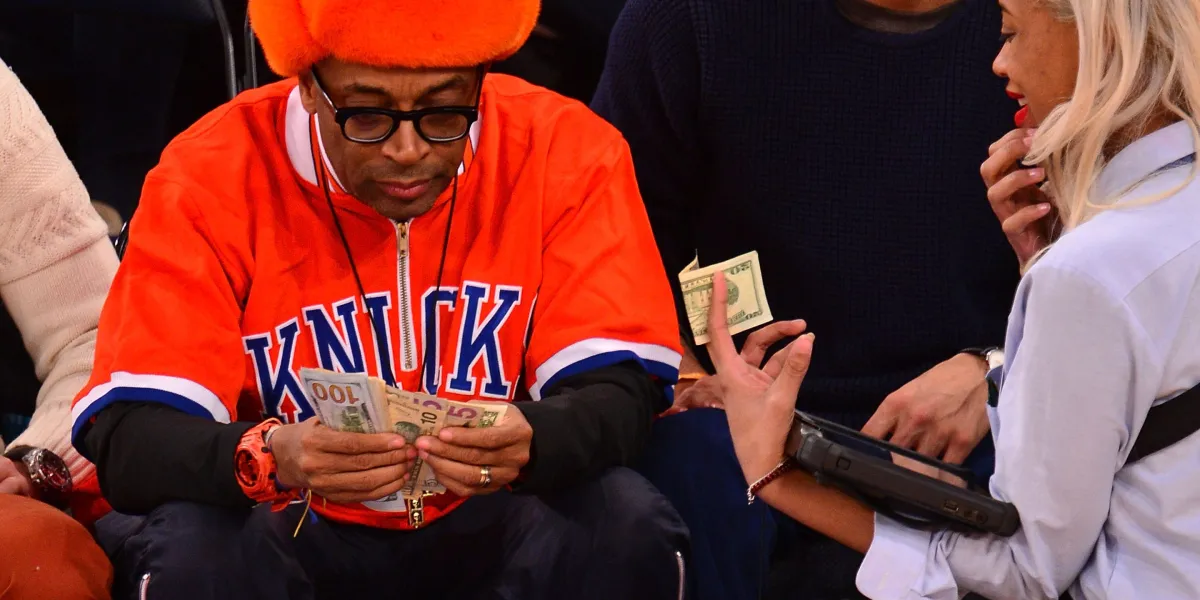
Live updates from the NYC bar that promised to cover everyone’s tabs if the Knicks won, and used Kalshi to hedge their bets
A small bar on Manhattan’s Upper East Side is turning the NBA Finals into a masterclass in risk management—and a preview of what Wall Street hedging might look like for Main Street businesses. The Jeffrey, a craft beer and cocktail bar on East 60th Street, made a splashy promise ahead of Game 1 of the…
-
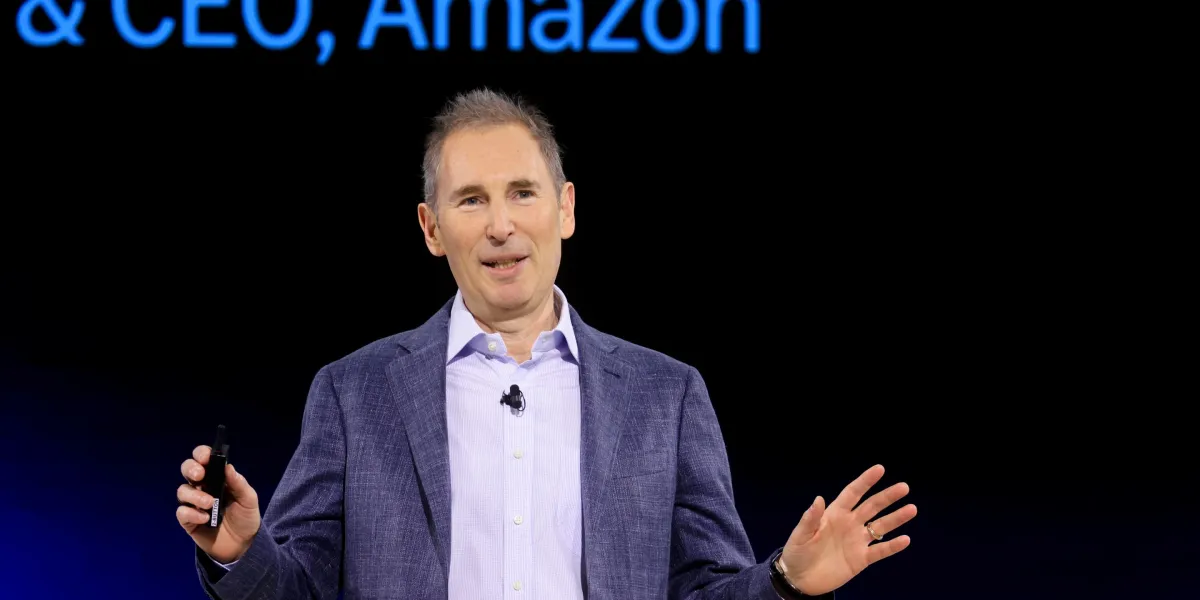
What is a Fortune 500 company? The story behind the list
The Fortune 500 list is the ultimate measure of success for U.S. companies and Fortune’s flagship ranking. In a letter proposing the business magazine to advertisers in 1929, Time founder Henry Luce envisioned the publication as a way to “reflect Industrial Life in ink and paper and word and picture, as the finest skyscraper reflects…
-
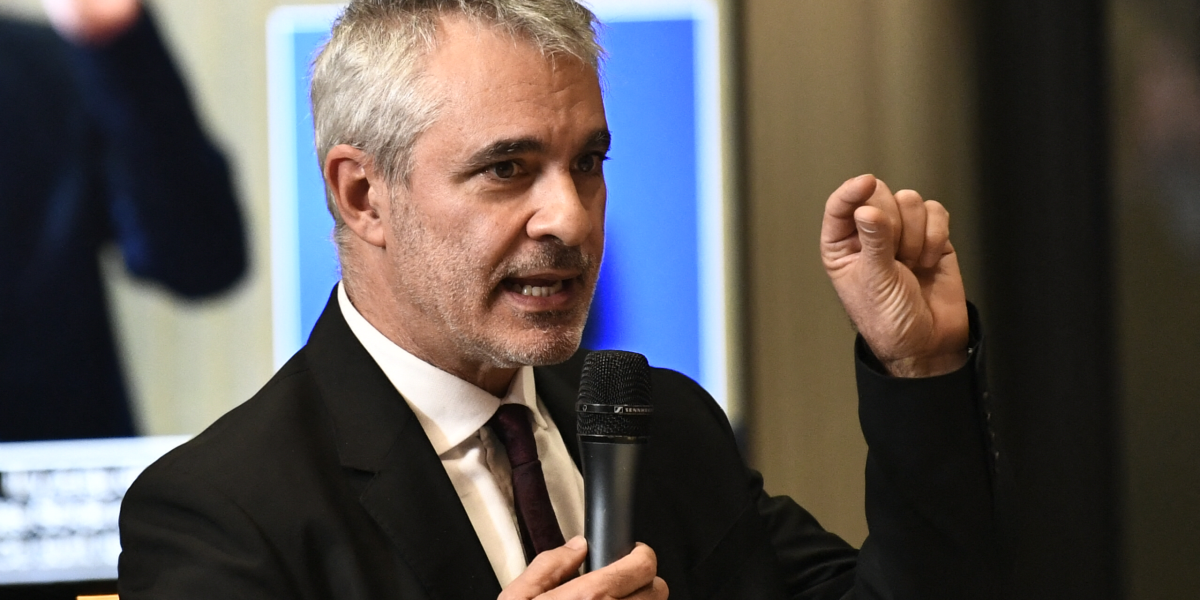
OECD warns of ‘scarring effects,’ recession scenarios—but finds ‘no signs of widespread labour displacement’ from AI
The global economy entered 2026 on firmer footing than most forecasters had predicted, buoyed by a surge in AI-related investment, easing trade tensions and supportive financial conditions. Then the Middle East conflict changed everything. In its June 2026 Economic Outlook, the OECD sharply downgraded its global growth projections and warned that a prolonged energy crisis…
-
AI was supposed to be killing jobs. In spring, the labor market is opening up instead
Private employers added 122,000 jobs in May, ADP reported Wednesday, beating the 110,000 economists expected and marking the strongest month of hiring since January of last year. “Hiring was more broad-based in May than we’ve seen in the last few years,” ADP chief economist Nela Richardson said as eight of the 10 sectors gained. That…
-
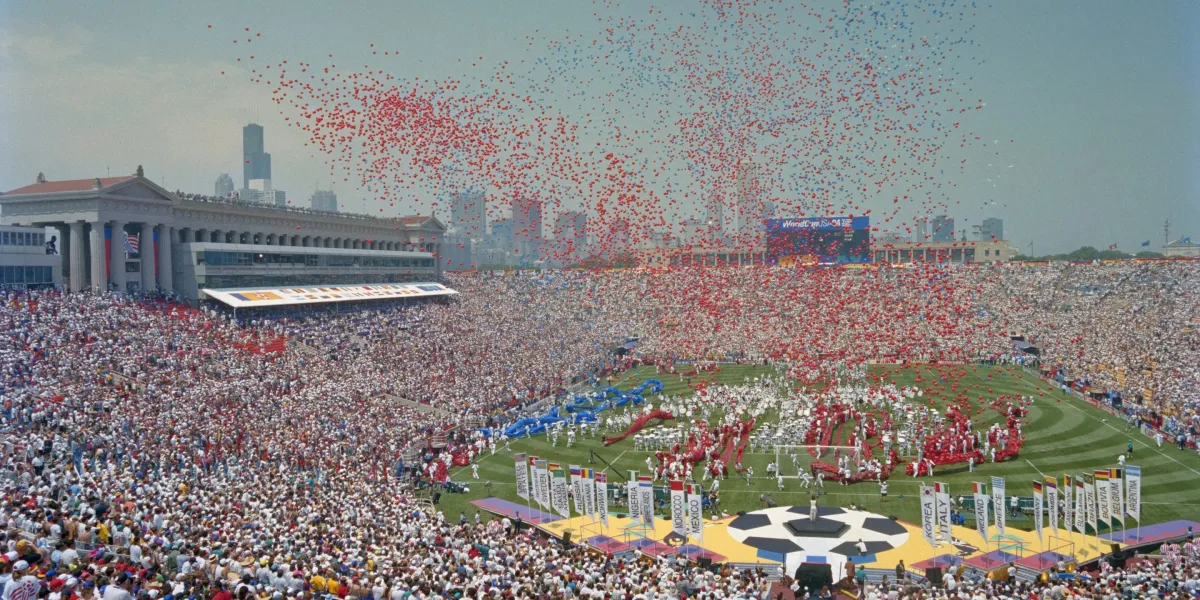
Some of the biggest U.S. sporting towns decided not to host any World Cup games, fearing a ‘major financial burden to our cities’
While nearly a dozen U.S. cities put the finishing touches on preparations for the 2026 FIFA World Cup ahead of next week’s kickoff, some of the country’s most sport-frenzied communities are settling in to watch from home. Based on the economics of major sporting events, it might prove a savvy decision in retrospect. The soccer…
-
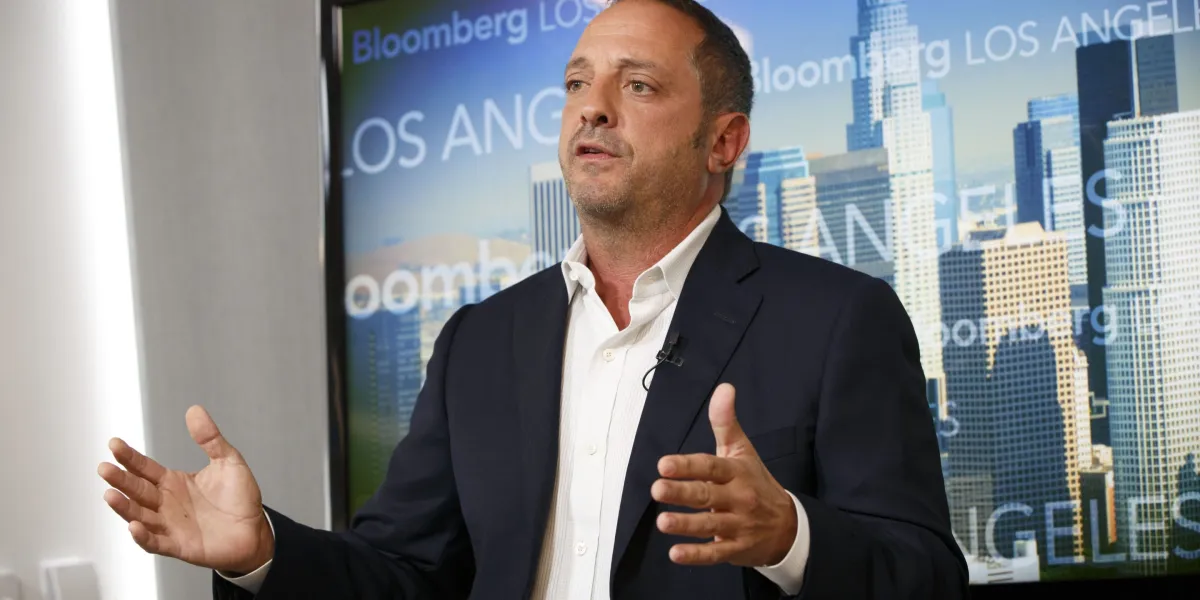
Top short seller Andrew Lift convicted of securities fraud after getting caught saying ‘taking candy from a baby’
A federal grand jury in California has convicted short seller Andrew Left of securities fraud. Left, who was a securities analyst, trader, and guest commentator on television channels including CNBC and Fox Business, was charged in July 2024 with one count of engaging in a securities fraud scheme, 17 counts of securities fraud, and one…