Finance
-
Current price of oil as of May 27, 2026
At 9 a.m. Eastern Time today, the price of oil sits at $96.28 per barrel, using Brent as the benchmark (we’ll explain what that means shortly). That’s a decrease of $3.92 since yesterday morning and roughly $32 more than at this time last year. oil price per barrel % Change Price of oil yesterday $100.20…
-

Robinhood launches agentic trading, announces credit card for AI agents with 3% cash back
In the latest sign of AI’s growing footprint in online commerce, Robinhood announced on Wednesday that users can now instruct agents to make purchases on their behalf using the Robinhood Gold card. To illustrate the potential of agentic shopping, the company cited examples: “A sneakerhead can tell their agent to buy a coveted new release…
-

Billionaire Mark Cuban says bye-bye Bitcoin: Why he is ‘disappointed’ by crypto
For years, Mark Cuban was one of crypto’s most high profile evangelists. After overcoming his initial skepticism, the billionaire entrepreneur and Shark Tank shark became something of a crypto fanatic, sayingin 2021 that he spent 3-4 hours per day reading about the industry and brokering partnerships between crypto ventures and his Dallas Mavericks. Now, though,…
-

Uber drivers in Massachusetts just pulled off the biggest labor win since 1941 — just before the robots arrive
Drivers for ride-hailing apps such as Uber and Lyft in Massachusetts became the first in the nation Tuesday to certify a union, marking a milestone in the growing effort to organize gig-economy workers amid ongoing concerns over pay, expenses and working conditions. The victory could provide a model for similar campaigns gaining traction in states…
-

America’s housing market decline is ‘no longer just a Sun Belt story’—LA and Dallas are tumbling, too
For the past two years, the story of falling home prices was largely a Sun Belt story — an unwinding of the pandemic-era land rush that had sent values in Austin, Tampa, and Phoenix to unsustainable heights. As recently as February, JPMorgan’s rosy national forecast was masking a “Sun Belt full of pain,” with Florida…
-

America is becoming less neighborly, and it’s hurting Gen Z and millennials’ chances at economic mobility
Americans have grown far less likely to strike up a conversation with a stranger or get to know people living closeby, and it could be costing the country a lot more than neighborhood quaintness. The average American now finds themselves living next to strangers. Around 25% of adults age 18 to 29 say they talk…
-
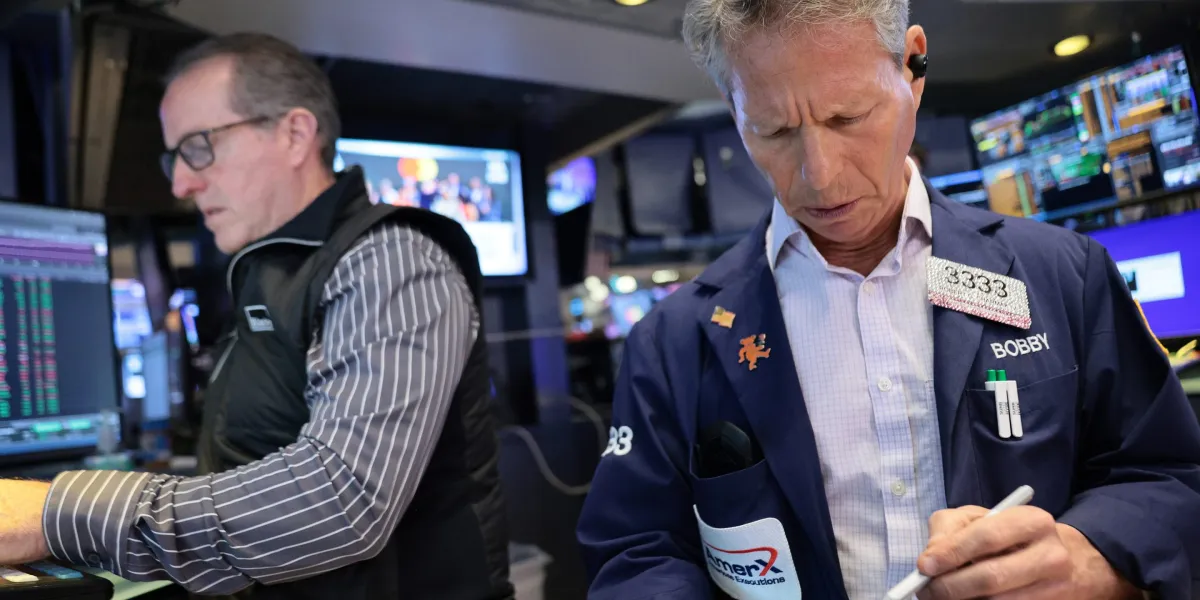
Goldman Sachs just ran some ugly numbers on the SaaSPocalypse—and found hedge funds are dumping software and piling into semis
Wall Street has been debating the SaaSPocalypse for months, if not years. Goldman Sachs studied how hedge funds and mutual funds are approaching the space—and found a major shift in investing. Software & Services as an industry group is down 14% year-to-date and has lost 9% over the last 12 months. Semiconductors & Semi Equipment…
-

Coinbase pushes further into AI payments with new MCP for Base network
Coinbase announced on Tuesday that has built a tool that allows users of its Base blockchain network to plug into services like Claude and Cursor. The new tool, called Base MCP, makes it easier to use AI for conducting crypto transactions such as trading and lending, and comes as part of a broader push by…
-
Current price of oil as of May 26, 2026
As of 9:15 a.m. Eastern Time today, oil sold for $100.20 per barrel (using Brent as the benchmark, which we’ll get into momentarily). That’s 67 cents higher than yesterday morning and approximately a $35.30 rise over the past year. Oil price per barrel % Change Price of oil yesterday $99.53 +0.67% Price of oil 1…
-

Markets rejoice as deal to reopen Hormuz nears, but U.S. forces conduct ‘self-defense strikes’ on Iranian missile sites and boats laying mines
Stock futures jumped while oil prices and bond yields tumbled Monday evening on reports that a deal to reopen the Strait of Hormuz was coming together, even as the U.S. military conducted new airstrikes on Iran. Futures tied to the Dow Jones industrial average surged 297 points, or 0.58%. S&P 500 futures were up 0.64%, and Nasdaq futures leapt…