Finance
-

The job market is so bad, workers now think they have worse odds of finding a role than during the pandemic
Job prospects during the pandemic were grim. After all, companies shuttered their windows, business went online, and recessionary forces put most hiring on ice. Of course, most job hunters at the time felt as though the job market was frozen solid. But now, job hunters across the country actually feel worse than they did during…
-
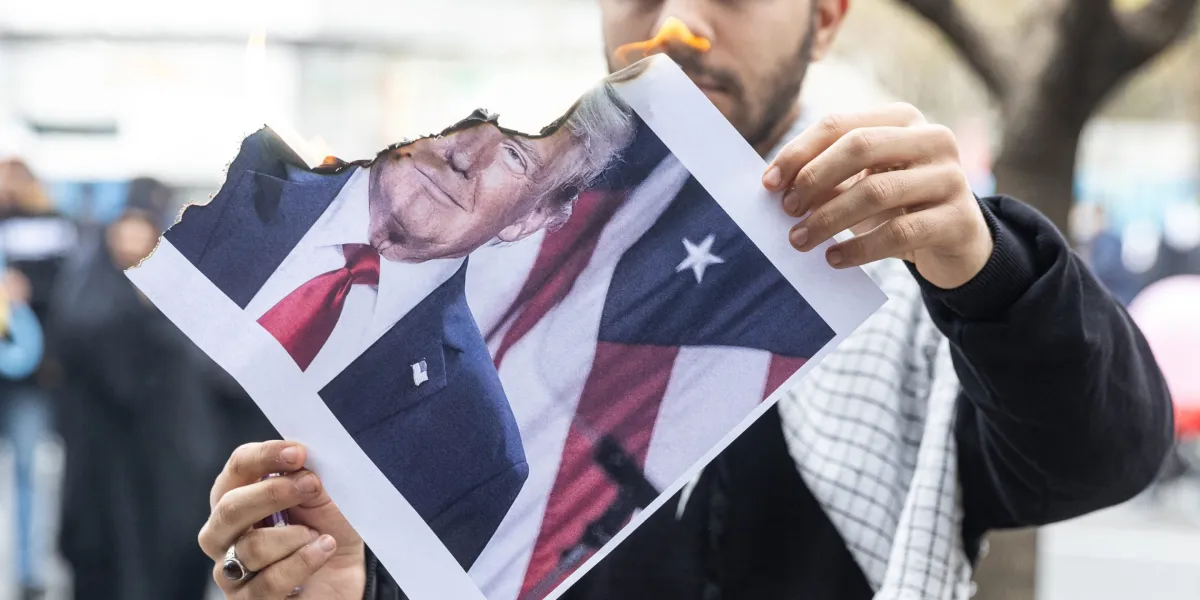
‘Good for Russia, good for China, bad for America’: how the Iran war is reshaping global economies and power
The missiles may eventually stop for good. Oil tankers will once again pass through the Strait of Hormuz. But even if the tenuous two-week ceasefire gives way to a lasting end to hostilities, the world economy that emerges from the Iran War will bear little resemblance to the one that entered it. That is the…
-
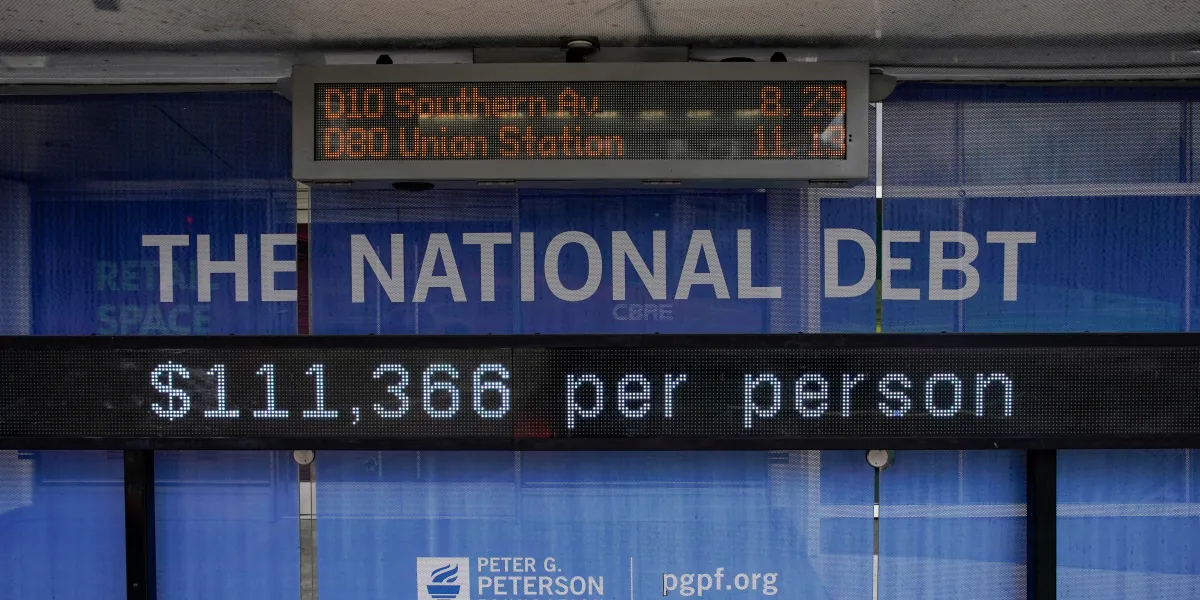
‘We owe it to the next generation’ to get national debt under control, says think-tank boss, as U.S. borrowing hits $1.2 trillion in just six months
The Congressional Budget Office’s latest monthly budget says the U.S. government operated at a deficit of $1.17 trillion for the first six months of the fiscal year—from October 2025 to March 2026. While the deficit is smaller than the shortfall for the same period last year, thanks in part to President Trump’s tariff regime, the…
-
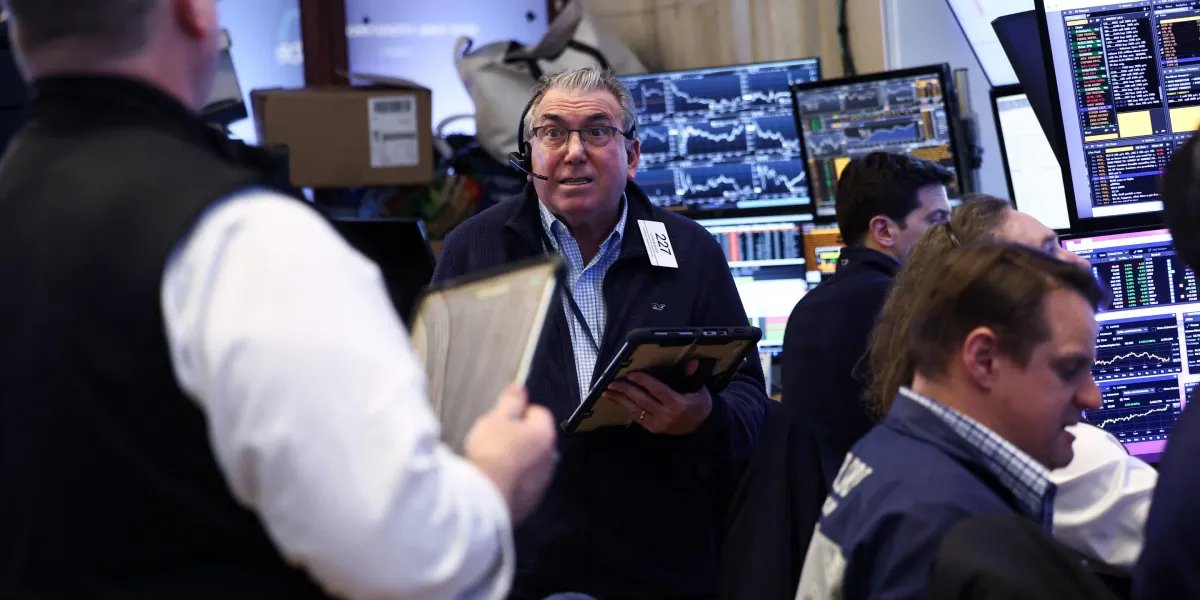
The world’s 500 richest people made more than a quarter trillion yesterday as volatile markets react to fragile Iran war ceasefire
Wall Street traders saw a huge surge yesterday, and the world’s wealthiest billionaires had their best day in nearly a year, after President Donald Trump took back his threat that “a whole civilization will die tonight” on Tuesday, quelling traders’ fears. The world’s 500 richest people made $265 billion yesterday, according to the Bloomberg Billionaires…
-
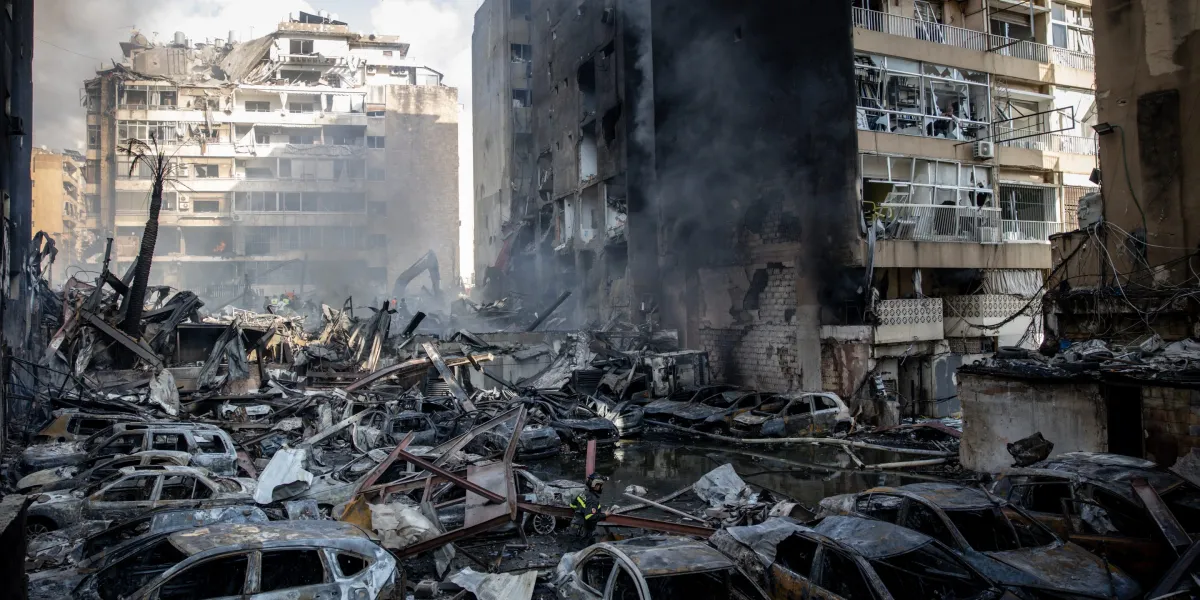
Only five ships crossed the Strait of Hormuz Thursday, far below Iran’s pledge as negotiations begin
Only five ships moved through the Strait of Hormuz on April 9 during the ceasefire agreement between Iran and the U.S. and Israel, according to S&P Global Market Intelligence data. That number of ships, three tankers and two other vessels, is significantly below the “minimum of fifteen” ships Iran had promised would pass through the…
-

Americans hate the economy so much, they’re buying $22 smoothies
Americans are skipping restaurant dinners, delaying car purchases and scouring for grocery deals. Amid tariff anxiety and broader stress over affordability, consumer confidence has dropped to levels not seen in over a decade, according to The Conference Board, a business think tank. At this point, it’s wealthier consumers who are powering the bulk of spending…
-
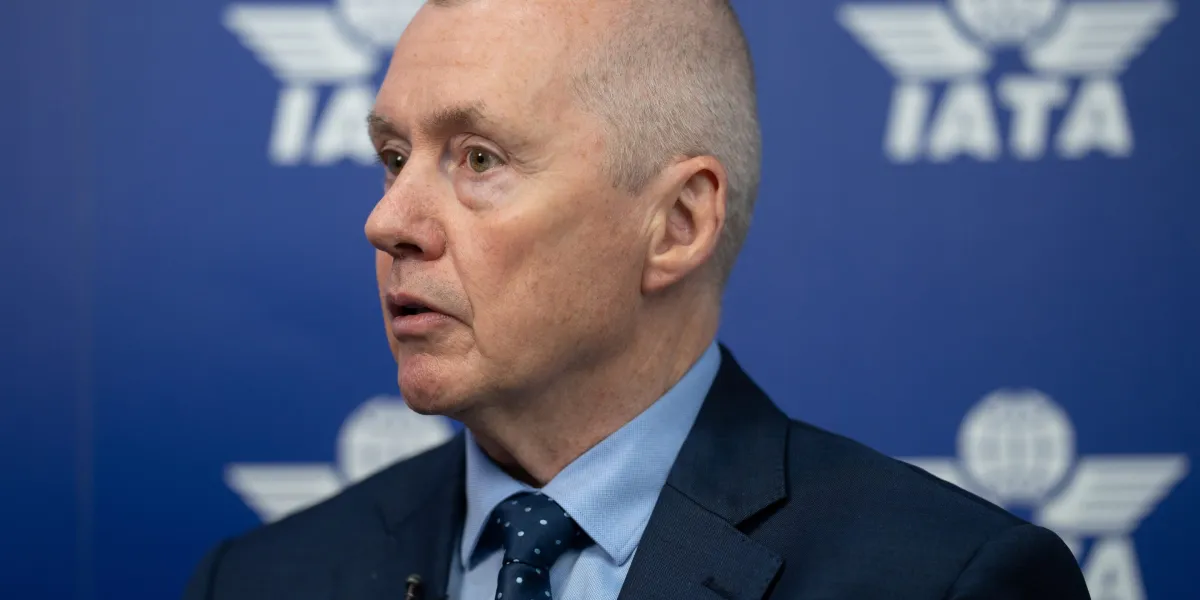
Jet fuel supply disruptions are comparable to 9/11 and could take months to replenish even if Hormuz Strait is reopening, airline trade group warns
The Iran war caused oil prices to skyrocket by up to 70% in just weeks, but it will take a matter of months before jet fuel prices return to their pre-conflict levels, warned the head of the International Air Transport Association (IATA) representing global airlines. Jet fuel makes up 27% of an airline’s operating budget,…
-
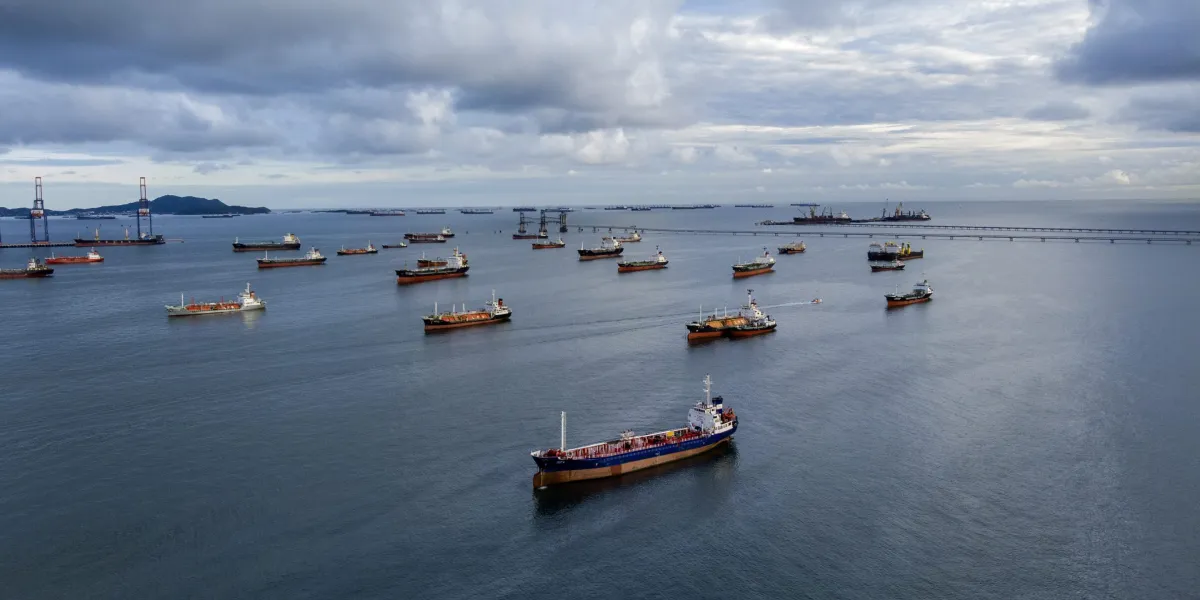
A global food emergency: Why the closed Strait of Hormuz puts half the world’s calories at risk
The global energy crisis caused by the closure of the Strait of Hormuz is only the beginning of the economic cost of the war with Iran. I study how institutions affect businesses and supply chains, and I expect food prices to rise next, with high prices lasting even after whatever point hostilities end. Along with…
-

Mark Cuban admits he made a mistake letting go of the Mavericks: ‘I don’t regret selling. I regret who I sold to’
Mark Cuban built his nearly $10 billion fortune on bold bets. The former Shark Tank star and founder of Cost Plus Drugs bought the Dallas Mavericks in January 2000 for $285 million from H. Ross Perot Jr. and held onto the team for more than two decades. Cuban was largely involved with the team, and…
-
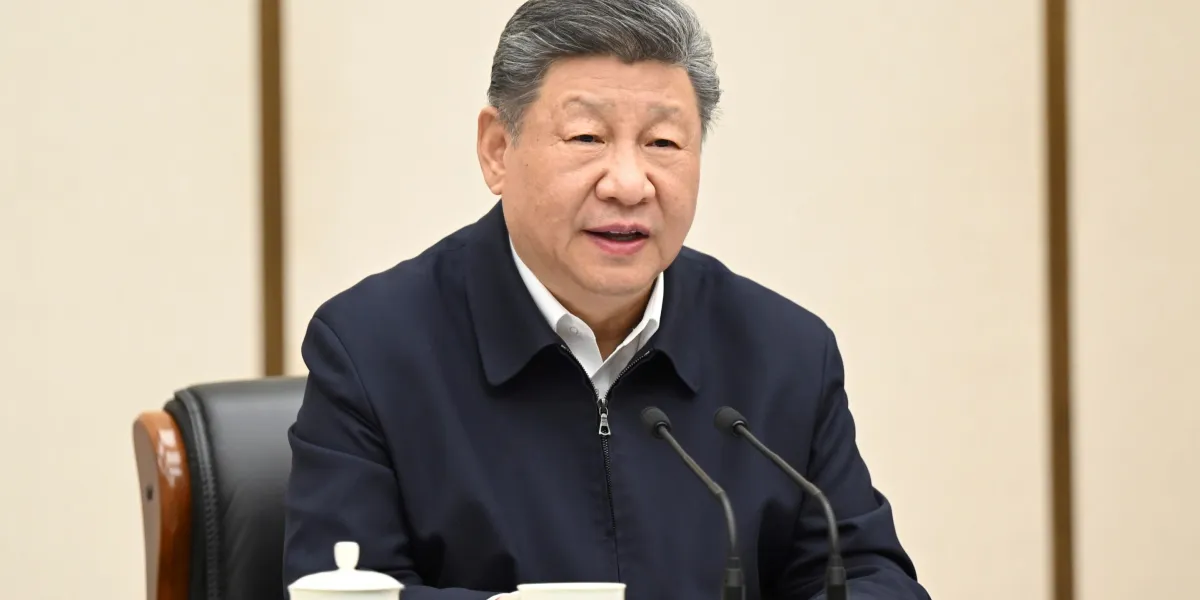
Deutsche Bank says China is energy ‘winner’ in age of war
As war injects extreme volatility into oil and gas markets, the global race for energy security is making China stronger, according to Jacky Tang, emerging markets chief investment officer at the private banking arm of Deutsche Bank AG. “China is the winner in this war from an economic standpoint, from an energy mix standpoint,” he…