Finance
-
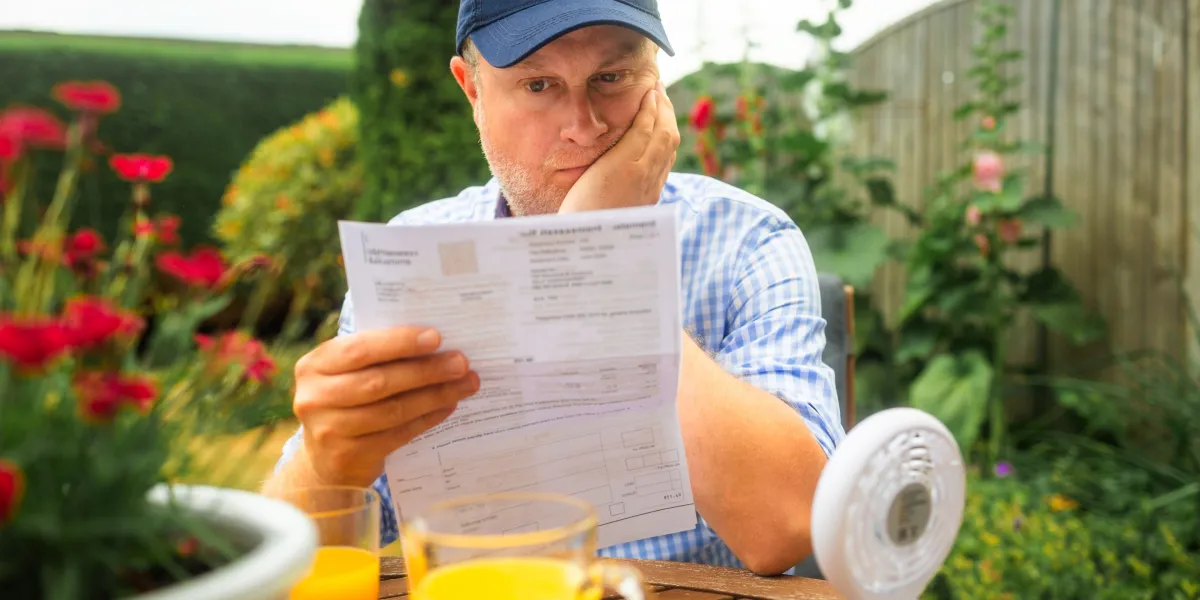
The 30-year fixed mortgage was supposed to be predictable. Two costs quietly broke that promise
Potential homebuyers tend to agonize over two things: mortgage rates and home prices. But that’s not where the burden of homeownership ends. It’s really just the beginning. Buyers will lock in a rate, sign at closing, and assume the hard part of buying a house is over, but many things can go wrong, and there…
-

Big Short legend Steve Eisman says everyone is buying the wrong AI stocks
Steve Eisman has a simple way to explain why SpaceX is the most absurd stock in America: its revenues are roughly equal to those of the company that makes Froot Loops. The difference? Nobody is valuing Kellogg’s at 100x revenue. If you’ll recall, Eisman identified that a housing bubble was building in 2006 and 2007,…
-
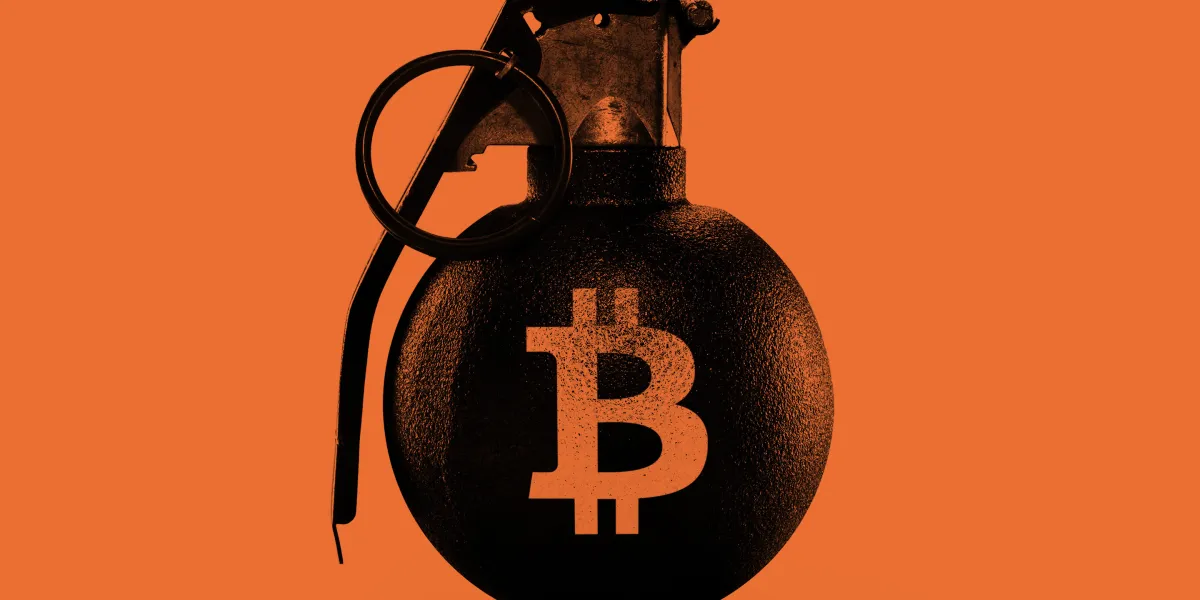
Bitcoin down 20% since May as Strategy fallout spooks investors
Bitcoin is tanking. Despite a modest rebound in the past day, the price of the world’s largest cryptocurrency is down about 5% over the past week and 20% since May, according to data from CoinGecko. Ethereum, the world’s second-largest cryptocurrency, has seen comparable declines, and the total crypto market capitalization has dropped 36% in a…
-

One chart explains the economy’s terrible baby boomer hangover, Gen X’s invisibility, and millennial and Gen Z irrelevance
The Census Bureau is out with new data, documenting how America has grown over the past six years — or not. One takeaway is clear: the Baby Boomer generation is so massive and has such a stranglehold on the economy that essentially no part of the country is seeing any real population growth among younger…
-
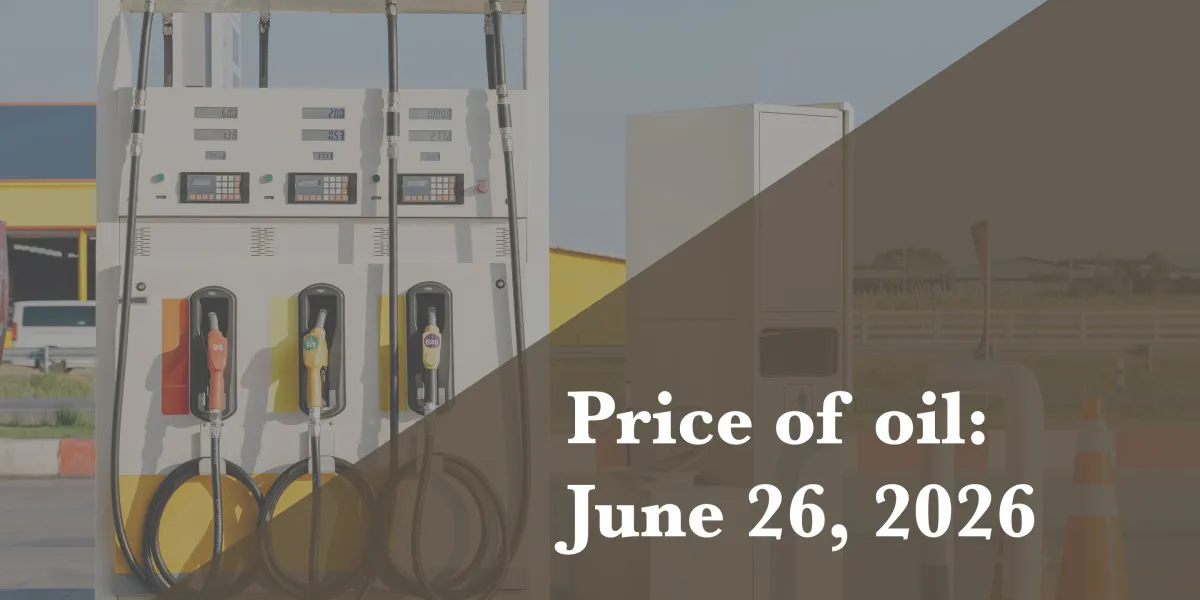
Current price of oil as of June 26, 2026
At 9 a.m. Eastern Time today, oil was priced at $73.74 per barrel with Brent serving as the benchmark (we’ll explain different benchmarks later in this article). That’s a drop of 28 cents compared with yesterday morning and around $5.76 higher than the price one year ago. Oil price per barrel % Change Price of…
-
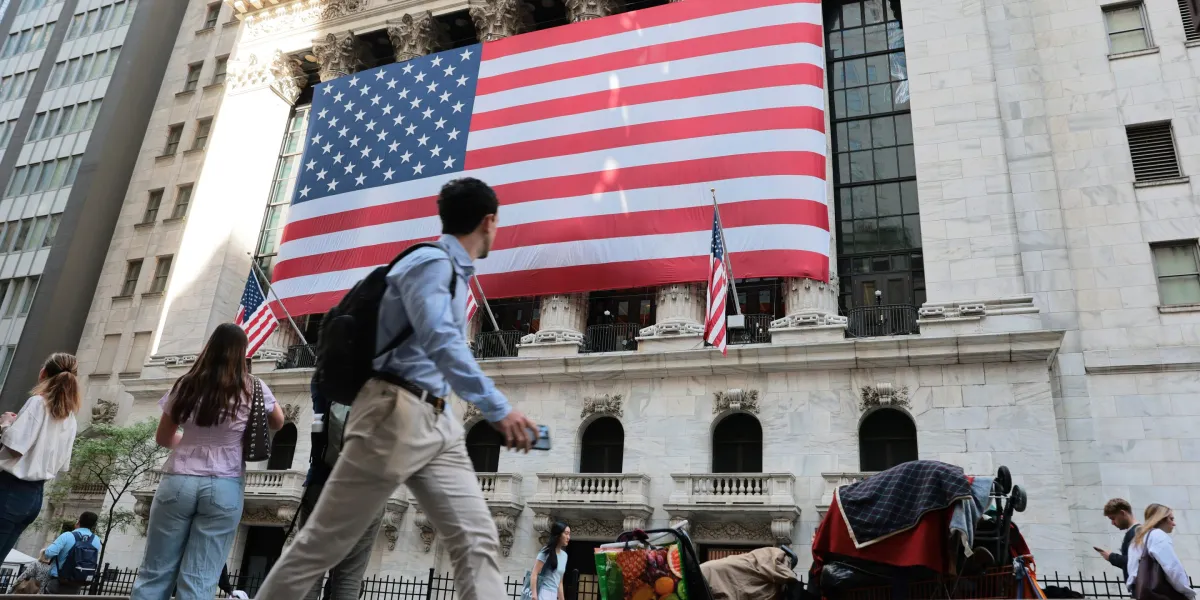
The richest 20% are the only ones powering the U.S. economy, says top economist, but their prospects are entirely reliant on teetering stock prices
In the run-up to the internet bubble, the richest 20% of American consumers made up 50% of spending—boosted by the ballooning valuations of their portfolios. Fast forward to the era of AI, and again, the richest households in the U.S. are gaining confidence as their asset valuations grow. Only this time, the spending of the…
-

Snap’s Evan Spiegel joins MacKenzie Scott in the billionaire race to erase medical debt—wiping out $550 million for 260,000 Californians
Evan Spiegel has never been the loudest billionaire in the room. Sometime this spring, the Snap co-founder and his wife, supermodel and KORA Organics CEO Miranda Kerr, quietly made a multimillion-dollar donation to a nonprofit called Undue Medical Debt. The Los Angeles Times reported that in doing so, set in motion the erasure of $550…
-
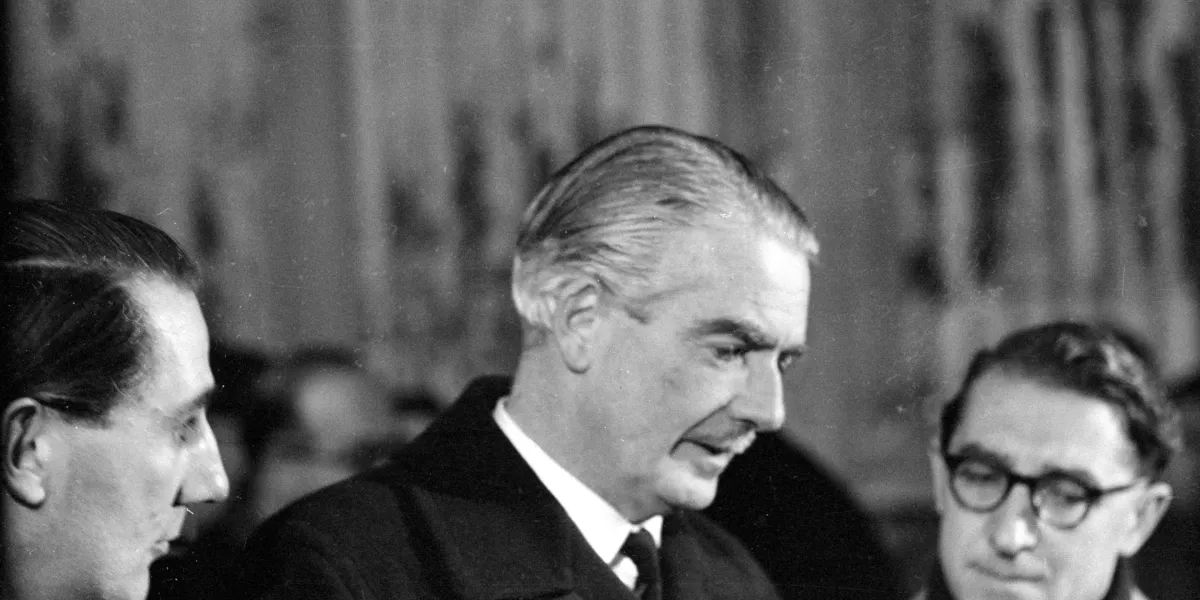
Ray Dalio says the U.S. just had its ‘Suez moment’—and history says what comes next could end an empire
“Watch out for allies and creditors losing confidence, the loss of its reserve currency status, the selling of its debt assets, and the weakening of its currency, especially relative to gold.” Ray Dalio didn’t write that sentence about Britain in 1956. He wrote it about the United States in March 2026. But the parallel he…
-
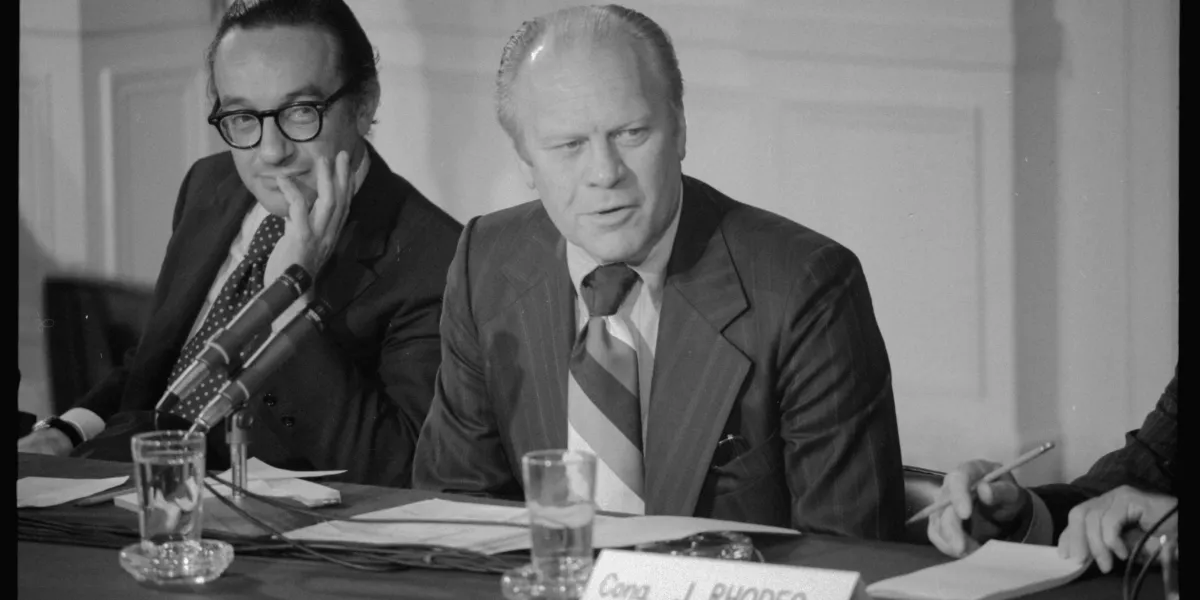
Alan Greenspan said 3 years with Gerald Ford beat 18 at the Fed. His death at 100 raises the question: was he right?
Alan Greenspan, who died on June 22, 2026, at the age of 100, is best remembered for his 18 years at the helm of the Federal Reserve. What many people don’t know is that an earlier and more obscure stint during the administration of President Gerald Ford shaped him as a public servant. As professors…
-
The bond market knows something about the $39 trillion national debt that Washington doesn’t
The national debt—a barely comprehensible $39 trillion—seems, to hear economists tell it, forever one shock away from bringing the whole country down. Lately, the designated culprit is the Federal Reserve. The case is relatively straightforward. On June 17, the Fed didn’t raise interest rates—it held them at 3.5% to 3.75%, as expected—but it signaled that…