Tech
-
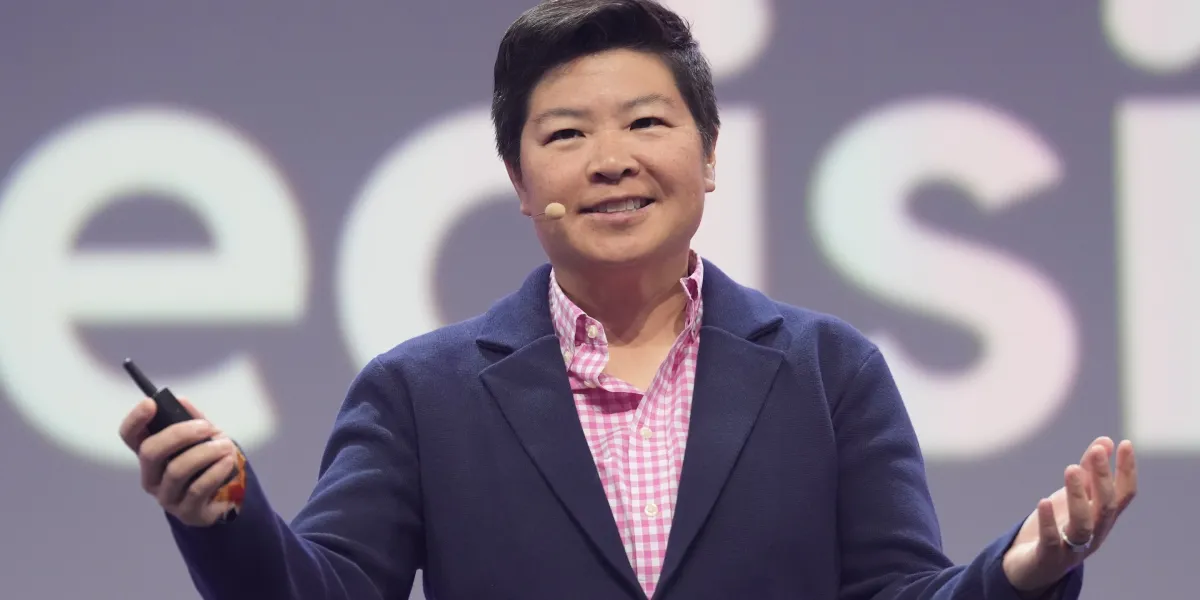
Reddit COO targets 1 billion users as internet’s ‘odd duck’ aims for new heights
For much of its existence, Reddit has occupied the internet’s stranger fringes. Users vote posts up or down, propelling some to viral fame (or infamy), and organize themselves into communities, known as subreddits. At its worst, the site has harbored hateful rhetoric, conspiracy theories and misinformation, forcing the company to ban entire communities when discussions…
-
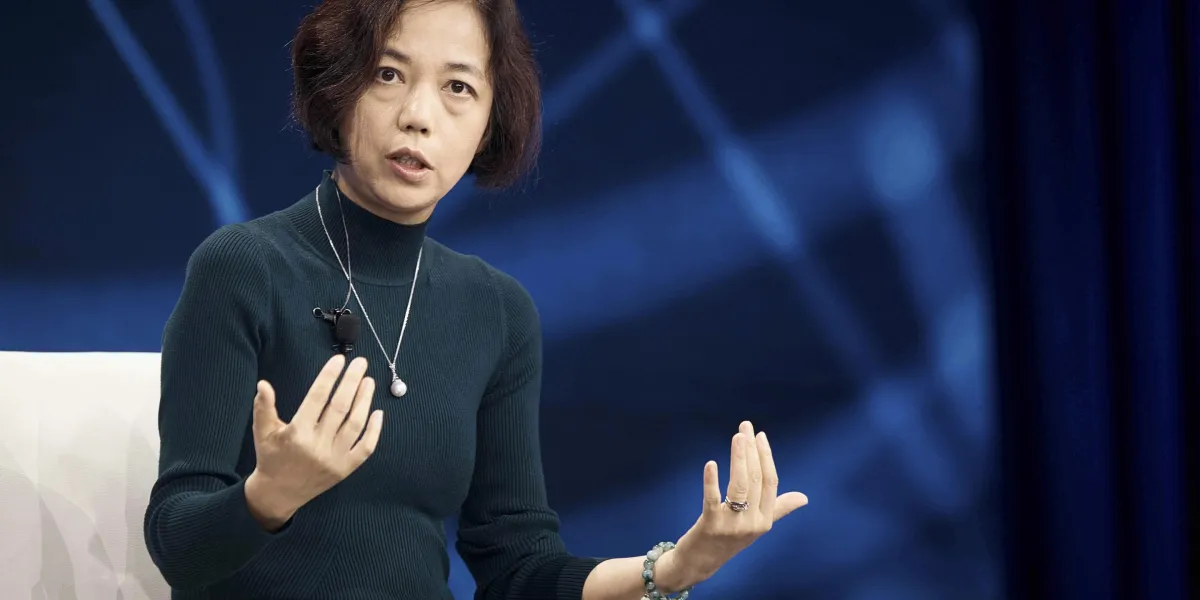
‘Godmother of AI’ and tech entrepreneurs draw investors by pivoting from chatbots to ‘world models’ saying AI has to read the room, not just books
Computer scientist Louis Castricato was in his eighth year studying large language models — the artificial intelligence technology behind chatbots like ChatGPT and Claude — when he started to feel like he was hitting a dead end. “We basically have passed the point of doing real fundamental LLM research,” Castricato said. “Now it’s just applications.”…
-
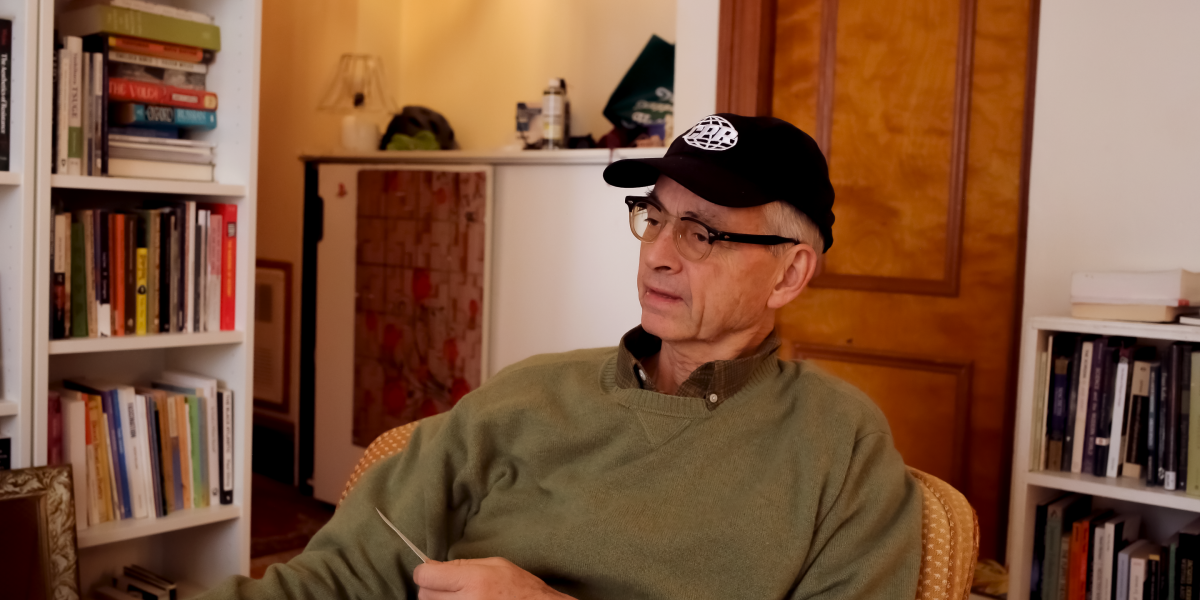
Robert Wright sees an ‘earthquake’ coming from AI that goes far beyond jobs: ‘cultural, political, personal, family, psychological’
Robert Wright’s Princeton library has seen many remote visitors. The veteran journalist and author — formerly at outlets including The New Republic, Time and The Atlantic, with five books published and a sixth out this June — has been holding court in front of his packed bookshelves for decades. A writer liberated by the blogging…
-
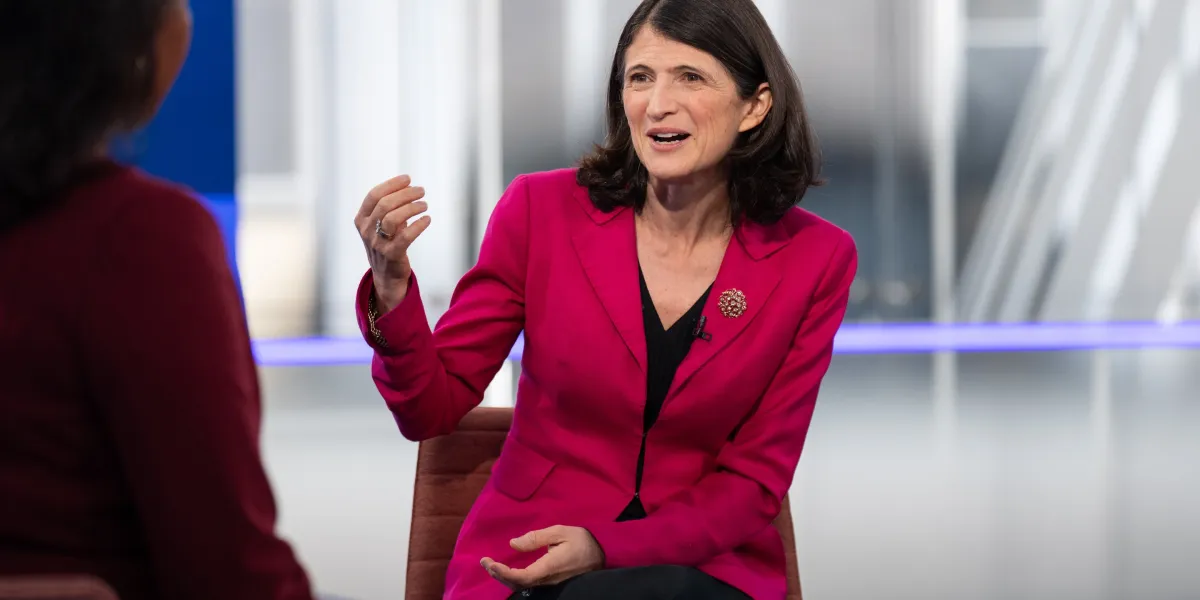
Nasdaq’s CFO says leaders must learn AI—not just their teams
Good morning. Companies are increasingly calling on CFOs to help steer AI strategy and deliver real value. Sarah Youngwood, EVP and CFO of Nasdaq, doesn’t view AI as a standalone initiative. Instead, she sees it as an embedded capability—one that is reshaping everything from market infrastructure to internal finance operations. Over the years, AI has…
-
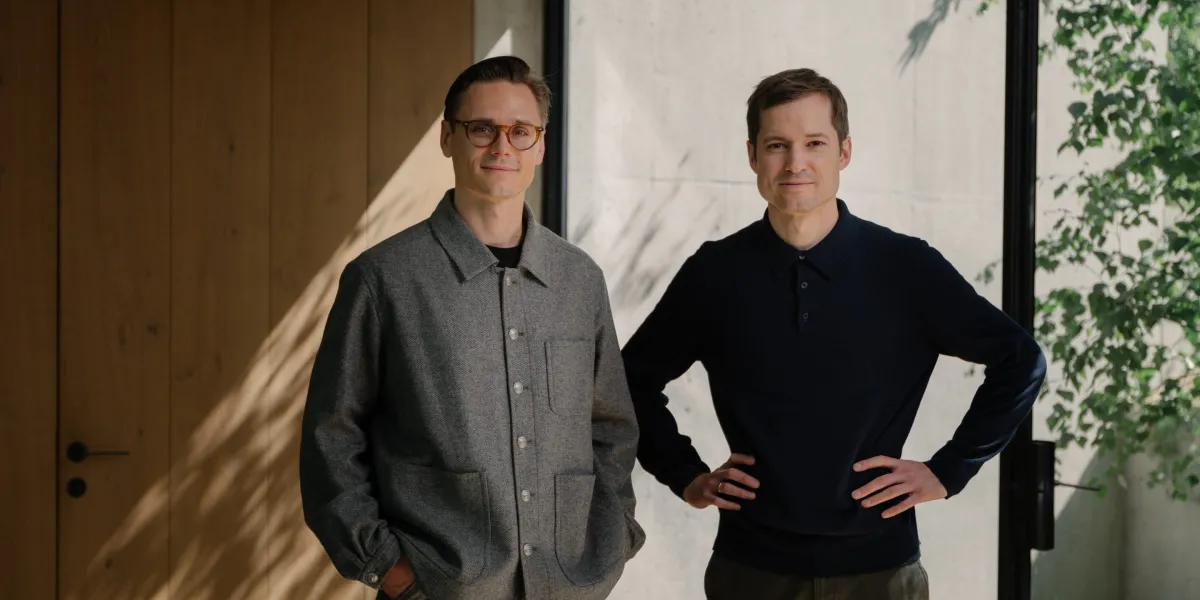
Exclusive: Taktile raises $110 million from Goldman Sachs, Tiger Global to automate high-stakes financial decisions
Banks and insurance companies spend billions of dollars to employ staff to screen risky transactions, process claims, and onboard new customers. If these decisions go awry, there can be serious consequences. The AI startup Taktile aims to automate even these risky calls, and one of the largest financial institutions has decided to back the company.…
-
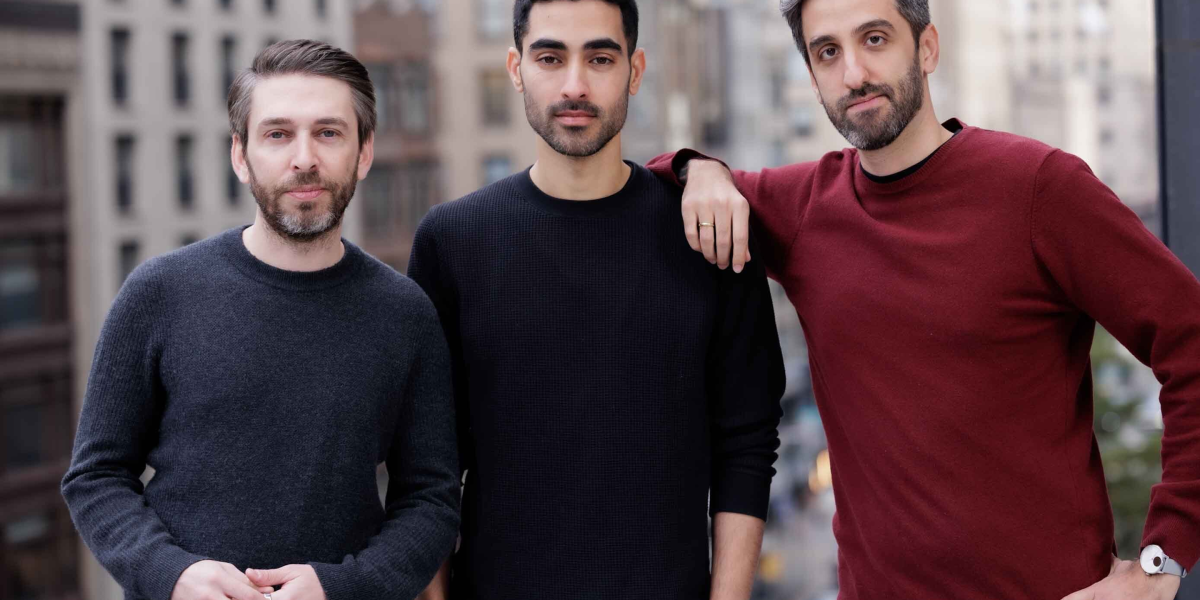
Exclusive: Vinod Khosla wanted ‘every available dollar’ of Runlayer’s funding round. It just raised $30 million to govern the agent workforce
When longtime tech investor Vinod Khosla heard that Runlayer—the startup trying to become the default infrastructure layer governing how every corporate employee interacts with AI agents—was raising a new round, his response was unambiguous: he wanted “to buy every available dollar of the round.” Now, that conviction is official. Runlayer raised a $30 million Series…
-
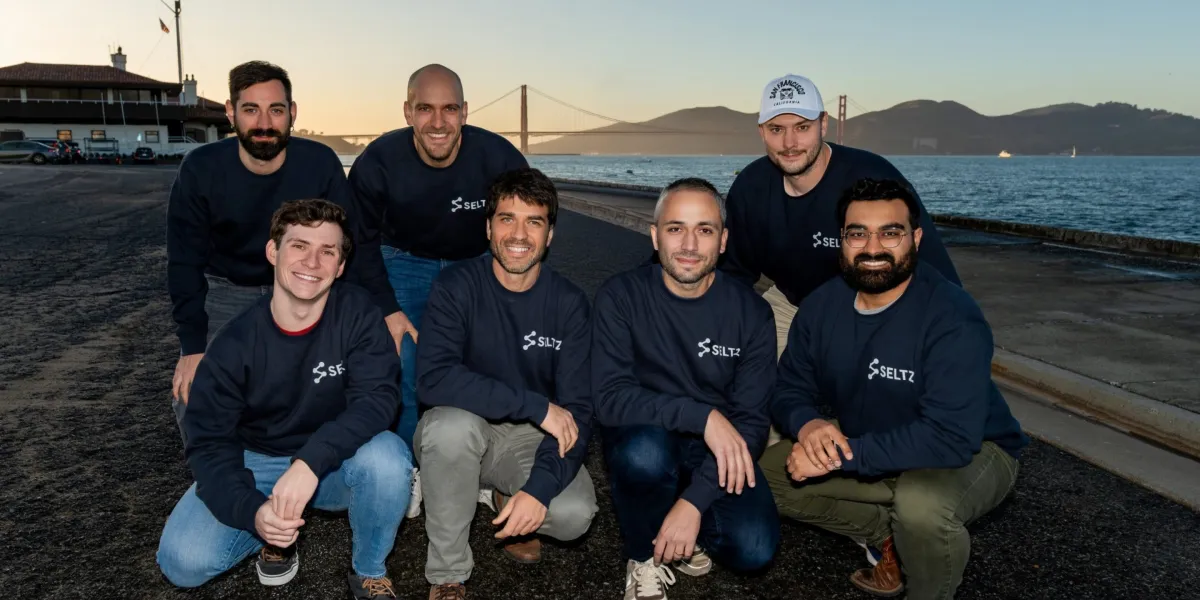
Exclusive: Seltz, a startup rebuilding web search for AI agents, raises $12.5 million in seed funding
The rise of AI has rekindled the long-dormant search wars. Chatbots and AI agents need to surface timely, relevant information about news and all kinds of products and services. AI startup Seltz is among the players lining up to take on Google, betting that AI agents and chatbots demand a new kind of search engine.…
-
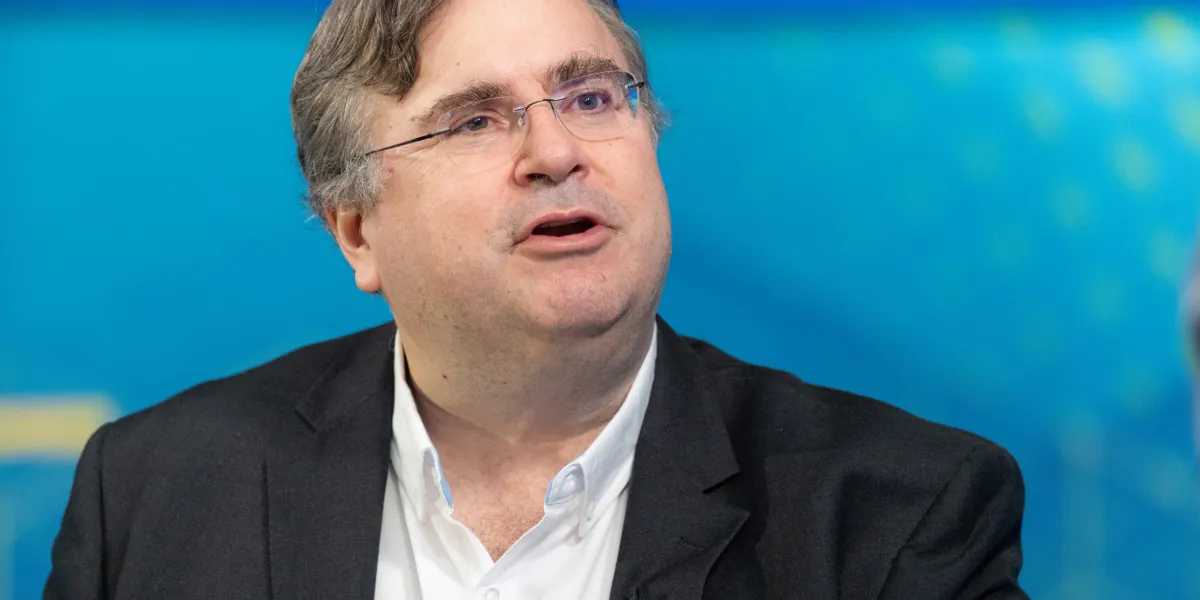
Reid Hoffman says SpaceX is ‘not an AI company’ and xAI is a ‘complete train wreck’—and there’s room for both OpenAI and Anthropic
The LinkedIn co-founder and investor in both Anthropic and OpenAI offers his most pointed public assessment yet of Elon Musk’s AI ambitions—and raises alarms about the government’s handling of Anthropic’s pulled models Reid Hoffman has watched the AI industry from virtually every vantage point—as a founder, a lead investor and as a decade-long Microsoft board…
-
Anthropic launches Claude Tag, a tool that works like a virtual employee within Slack
Anthropic has released a version of its popular chatbot Claude that operates like a virtual employee. Claude Tag, the new product, works across organizations within Slack to complete various tasks for teams. The product is similar to Anthropic’s popular agentic offerings Claude Code and Cowork. After an employee directs Claude Tag to complete a task,…
-
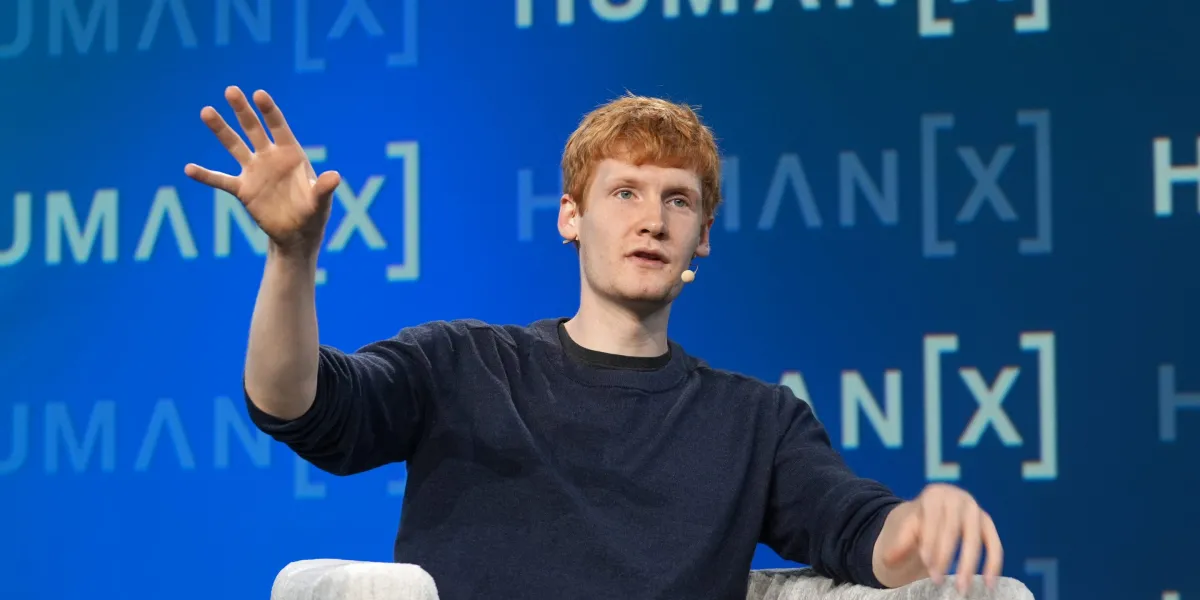
Cursor’s 25-year-old CEO turned a Discord server into a talent pipeline to build his $60 billion SpaceX-backed AI company
When SpaceX agreed to buy Cursor for $60 billion, it cemented Michael Truell’s status as one of Silicon Valley’s youngest breakout CEOs. The 25‑year‑old founder had already turned an AI coding project into a staple for enterprise developers and built a hiring funnel out of the community that grew up around it. That wasn’t obvious…