AI
-
The week that changed AI: Inside Trump’s Anthropic crackdown, and how a phone call from Amazon CEO Andy Jassy triggered the chaos
The moment that triggered the Trump administration’s dramatic crackdown on Anthropic, and may completely reset the ground rules for U.S. regulation of AI, happened almost by accident. And it was sparked by one of Anthropic’s top investors: Amazon. Last week, researchers at Amazon were busy stress-testing Anthropic’s newly released Fable 5, a “safe” version of…
-

Google DeepMind unveils plan to protect itself from its own rogue AI agents
Google has developed a new plan to police the increasingly capable AI agents it uses within its own AI research organization, and the company is publishing the so-called roadmap to help other AI labs counter the potential threat of rogue AI agents. The Google Deepmind security plan involves a pivot away from the AI safety…
-
A wave of CFO retirements is reshaping the Fortune 500—AT&T’s Pascal Desroches is the latest
Good morning. CFO turnover continues across the Fortune 500, and AT&T’s latest leadership transition is another sign of a changing generation of finance chiefs. AT&T (No. 35 on the Fortune 500) announced this week that Pascal Desroches, senior executive vice president and CFO, will retire effective Dec. 31. Jennifer Biry, a former longtime AT&T finance…
-
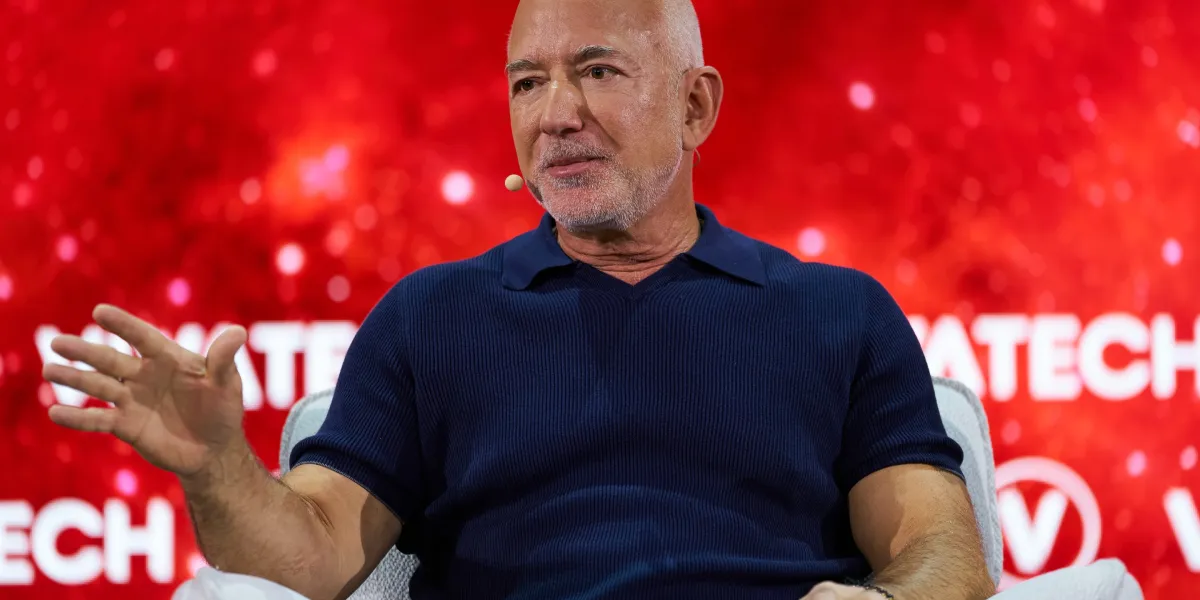
‘AI is going to create a labor shortage’: Jeff Bezos thinks AI will create more jobs, not less, as he talks his AI startup Prometheus
For months, fearmongers have warned of AI’s “doomsday,” how it could eventually render whole swaths of the labor force unemployed and leave the rest managing AI employees. But for Jeff Bezos, those fears are overblown, and instead, AI will bring even more jobs than there are people to fill them. Speaking Wednesday at VivaTech, the…
-
A 21-year-old cofounder’s sales pitch to clients begs them to question the company’s results: ‘Do not trust us. Do not trust our model’
Nearly 2 million New Yorkers voted in the city’s primary mayoral election. Aaru, a two-year-old AI startup, simulated all of those voters—agents built from the kind of data the company collects, like credit card purchasing history, food-delivery orders, and demographic records—and tried to predict how the votes would be cast. The simulation came within 2,000…
-
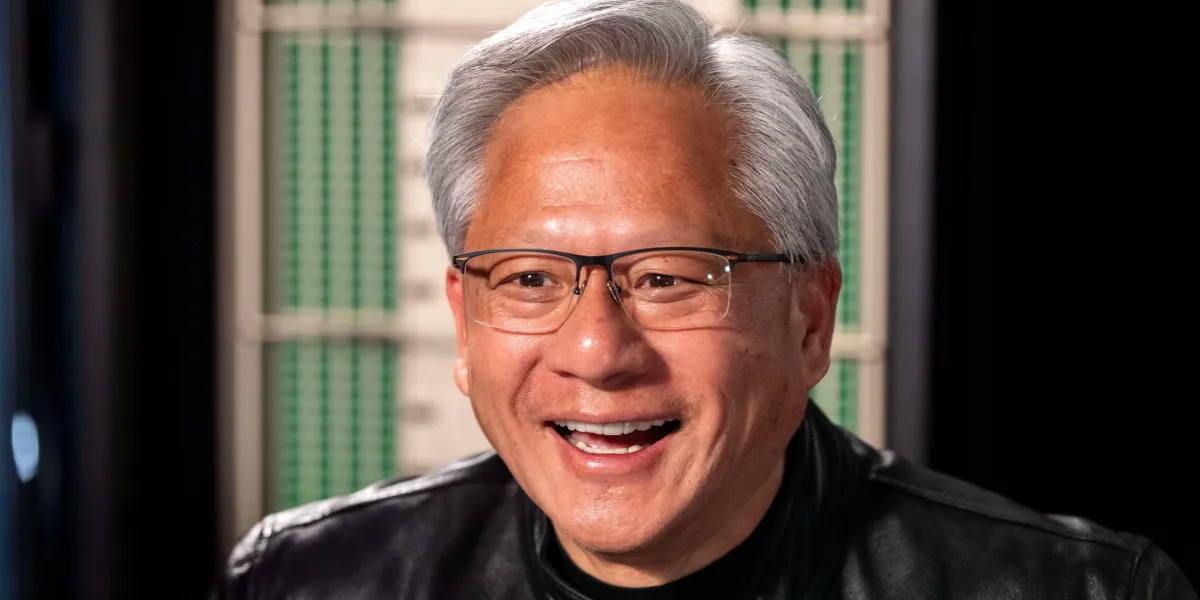
Jensen Huang on his relationship with Trump: ‘calls me in the middle of the night’
SHERMAN, Texas (AP) — Nvidia CEO Jensen Huang — whose work helped propel artificial intelligence — stressed in an Associated Press interview Tuesday that society needs to change with the advent of AI, arguing that a fuller embrace of the technology would improve people’s lives. Huang has been optimistic about AI’s potential to rapidly transform…
-
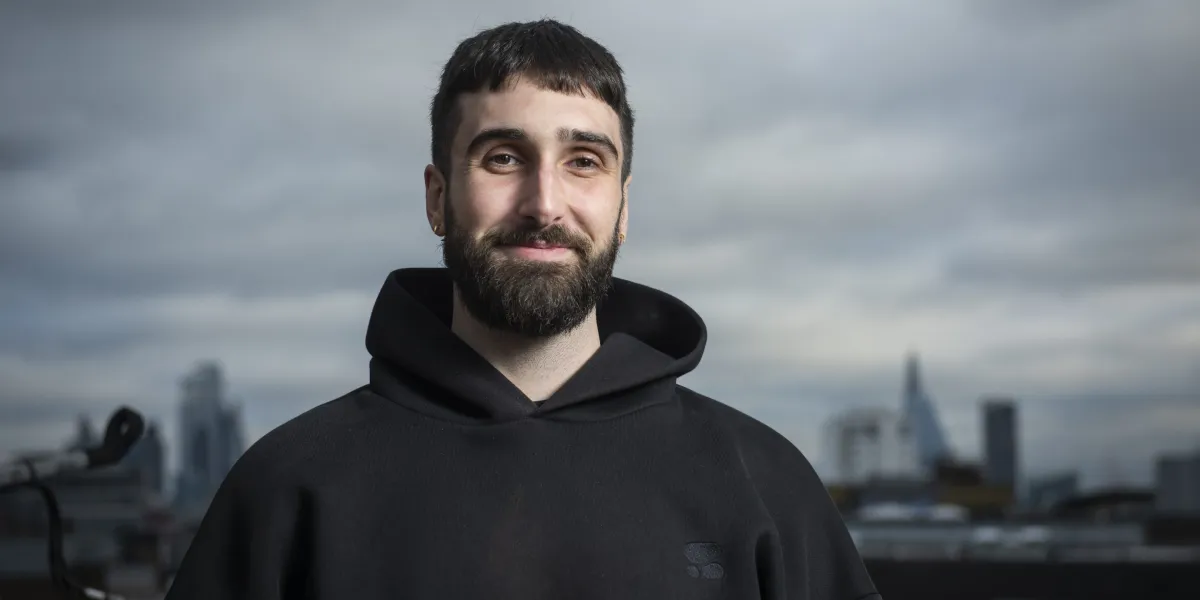
Cohere CEO on G7 leaders’ choice: sovereign AI or digital serfdom
The sudden restriction of access to Anthropic’s models exposes a reality many global leaders have chosen to ignore. We are in the early stages of an AI industrial revolution, yet nations remain dangerously dependent on a handful of big tech companies. Digital sovereignty goes far beyond market competition. It is fundamentally about who controls the technology…
-
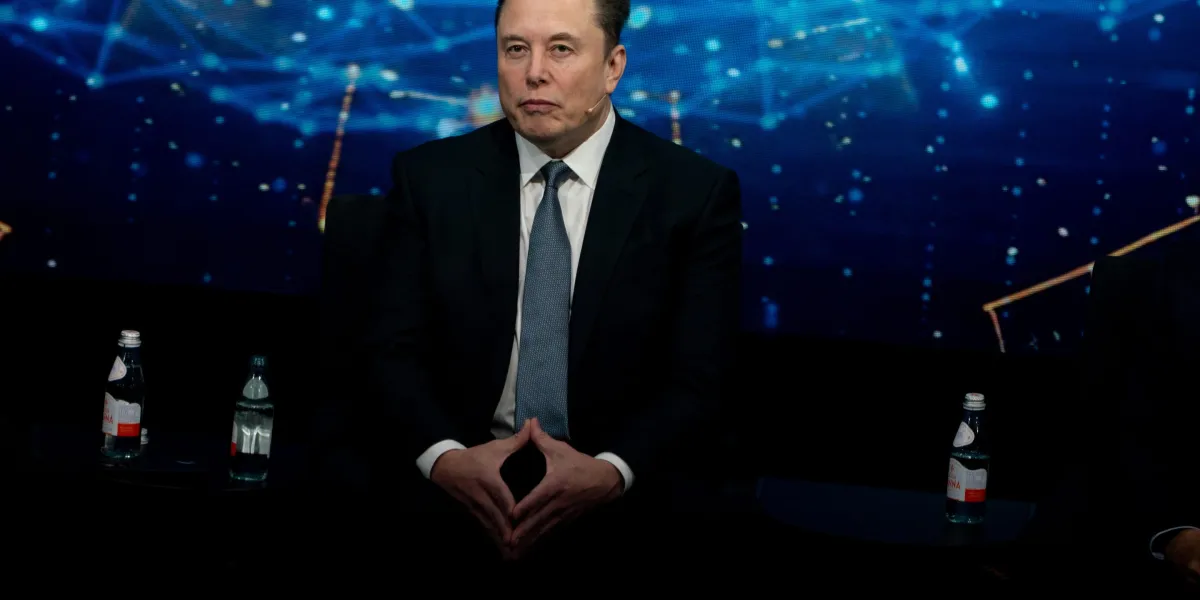
SpaceX’ surging stock paid for the $60 billion Cursor acquisition in just a few hours of trading—and it reveals Elon Musk’s new power
SpaceX’s stunning IPO pop has driven Elon Musk’s net worth to astronomical levels. It’s also given him an extraordinary business tool: a supercurrency for mergers and acquisitions. Musk demonstrated the power of that currency on Tuesday when SpaceX announced its acquisition of AI coding startup Cursor for $60 billion in stock. Some say the deal…
-

Anthropic’s IPO pitch has a new problem: the government can shut it down
Anthropic has filed confidentially to go public as soon as this fall, pitching investors on a single thesis: that it leads the enterprise AI market and intends to transform the world with it. But it has a problem that just won’t go away: the U.S. government becoming its outright adversary. For a company carrying a…
-
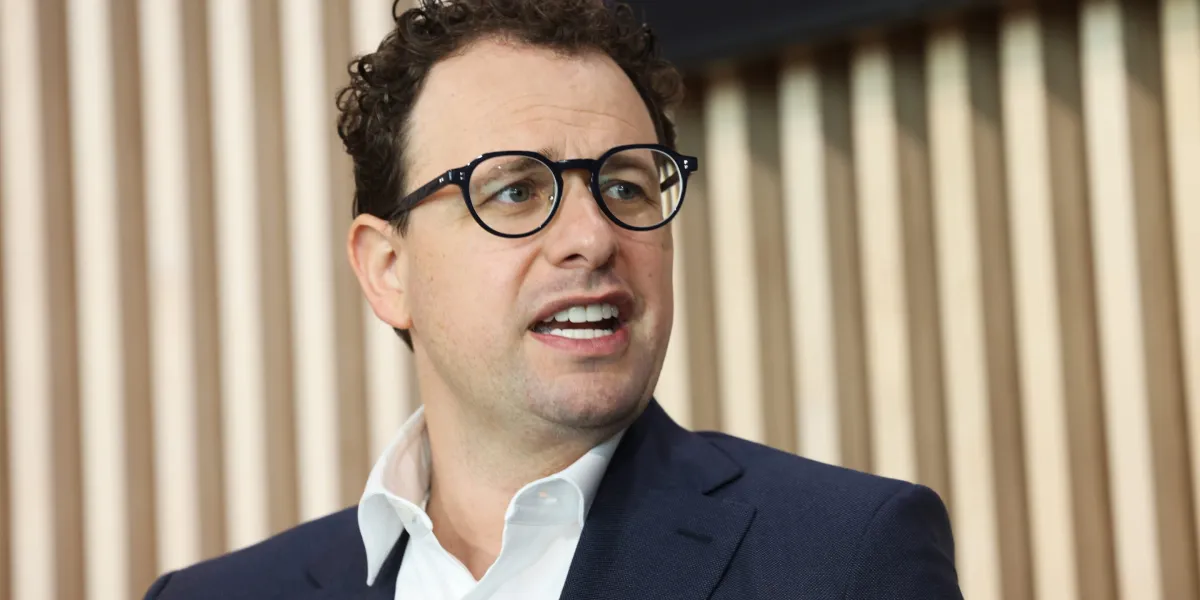
The shutdown of Anthropic’s Mythos model sparks a global scramble for sovereign AI
On Friday, when the U.S. government pulled the plug on global access to Anthropic’s most powerful AI models, it confirmed some of Europe’s worst fears. For the first time, Washington had effectively used what some had dubbed a “kill switch”—the ability to cut off foreign access to U.S. AI systems. Politicians around the world responded…