AI
-
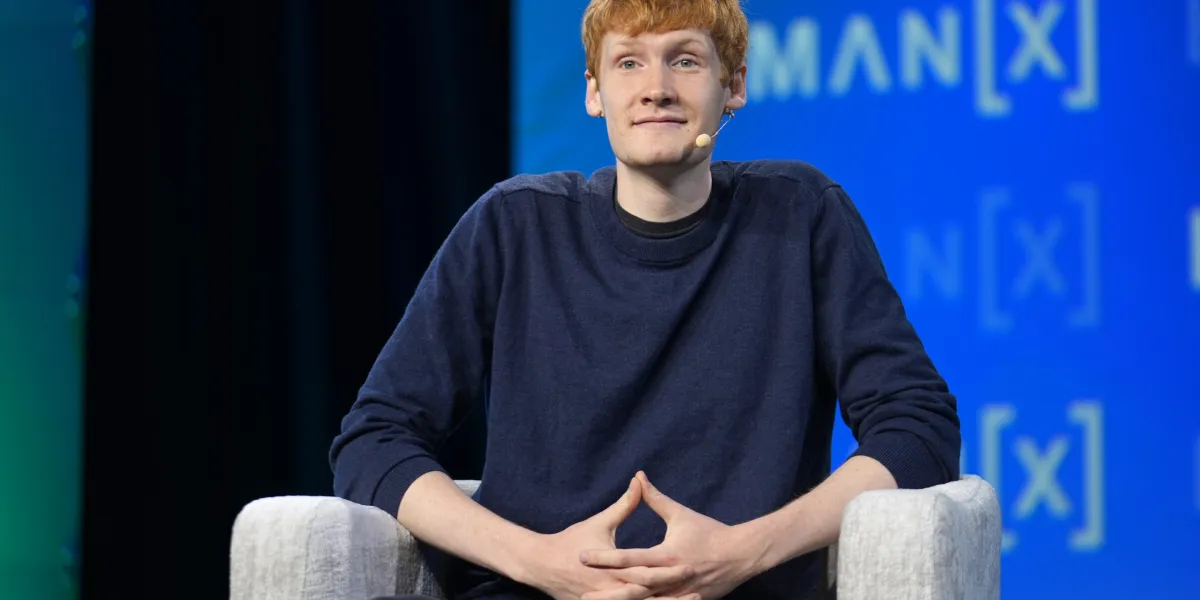
Cursor’s 25-year-old CEO is a former Google intern who just cemented a $60 billion deal with SpaceX
Cursor’s 25-year-old CEO, Michael Truell, helped take the AI coding company from a college passion project to a $60 billion acquisition by Elon Musk’s SpaceX. SpaceX announced this week it will move forward with its $60 billion acquisition of Cursor. In April, SpaceX said it had the rights to buy Cursor, or pay $10 billion…
-

AI won’t transform your business—until you redesign work itself
As businesses rush to adopt AI, many of the most pressing questions organizations are asking are focused on people. Should systems be designed as human-in-the-loop or human-in-the-lead? How should you tackle your staff’s fears about AI-driven layoffs? How do you make sure your employees work seamlessly with your AI agents? One answer is to have an AI-people strategy…
-

Two mayors, one $10 billion AI data center, and a growing divide in small-town Texas
The lives of Jim Jaska, the 80-year-old mayor of Ross, Texas, and Mayor Charles Wilson, 65, of the nearby town of Lacy Lakeview, have long been deeply intertwined. Wilson’s mother worked alongside Jaska for years in the local public schools. Their ancestors are buried in the same cemetery in Ross. Jaska was even Wilson’s football…
-
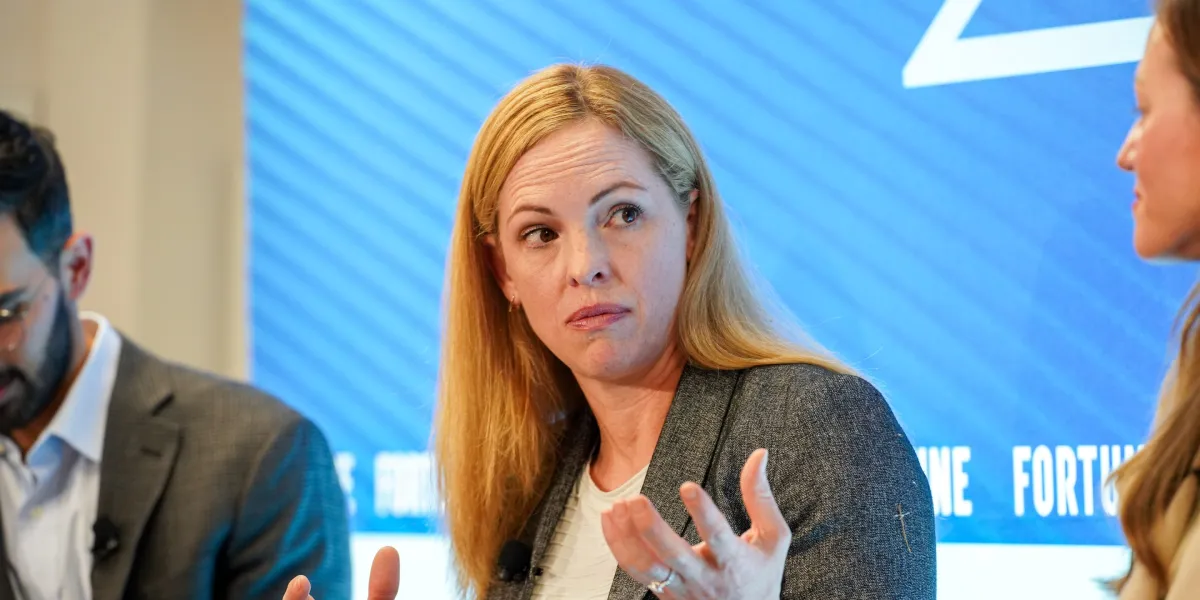
Agentic AI systems are doing more and more work. Now humans need to figure out how to verify it all
From hallucinations to rogue agents, there are some very clear risks that come with using AI. And yet, most businesses cannot afford to sit out the AI revolution. Managing this thorny reality is a fundamental challenge for business leaders today, and executives at several leading companies came together to share their insights and experience at…
-
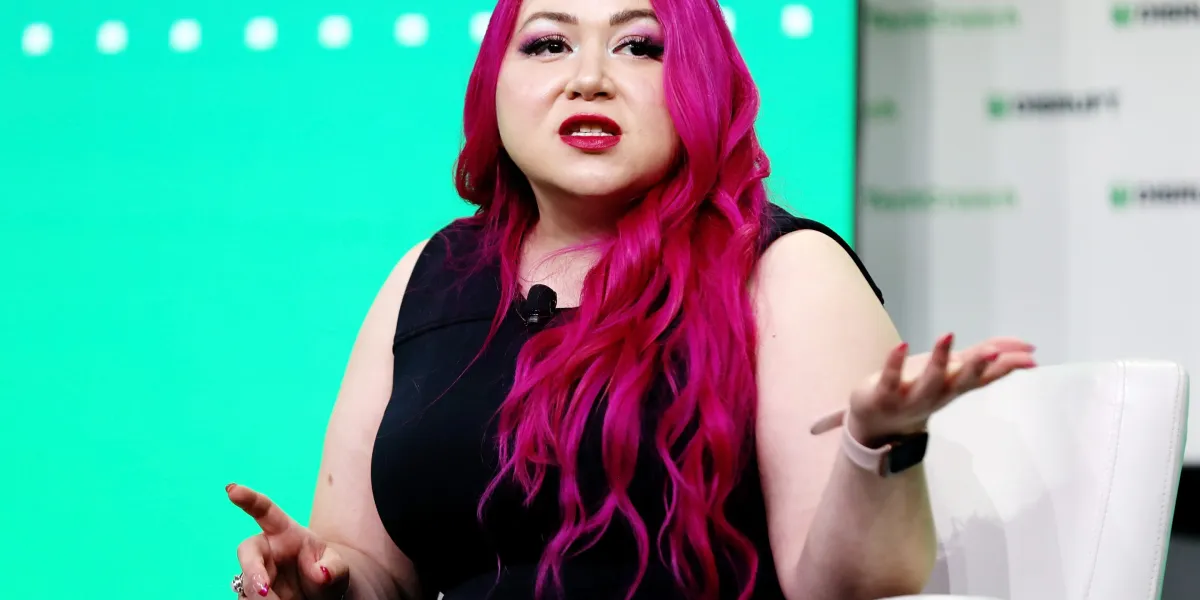
‘Fix this code’—The three little words behind the U.S. government decision that shut down Anthropic’s Fable and Mythos AI models
The security vulnerability that led the U.S. government to impose export controls on Anthropic’s Fable 5 and Mythos 5 models is a simple technique that involves just three simple words: fix this code. That’s according a detailed blog post from Katie Moussouris, the founder and CEO of Luta Security. Anthropic had asked Moussouris, who has…
-
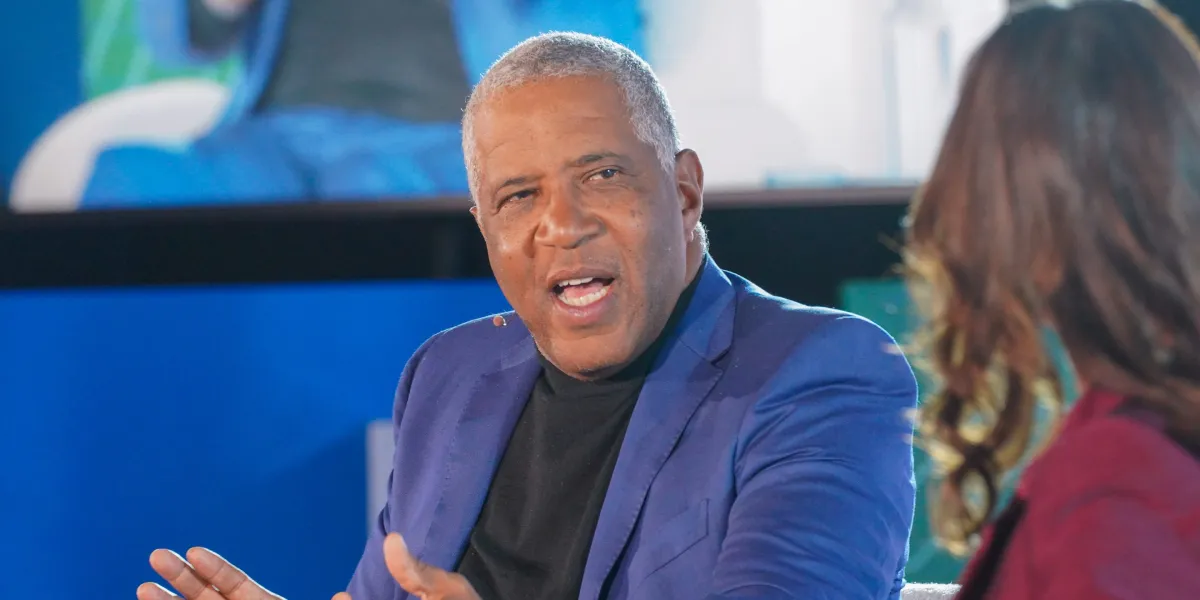
The billionaire founder and CEO of Vista Equity Partners makes plea to businesses adopting AI: ‘Don’t destroy your intern program’
Robert Smith liked to play around the dinner table with his kids, asking them to name the most profound tech development in human history. Was it the printing press? Smith, who is CEO of the tech-focused private equity firm Vista Equity Partners, says he was inclined to choose the transistor—an unsurprising choice for someone who…
-
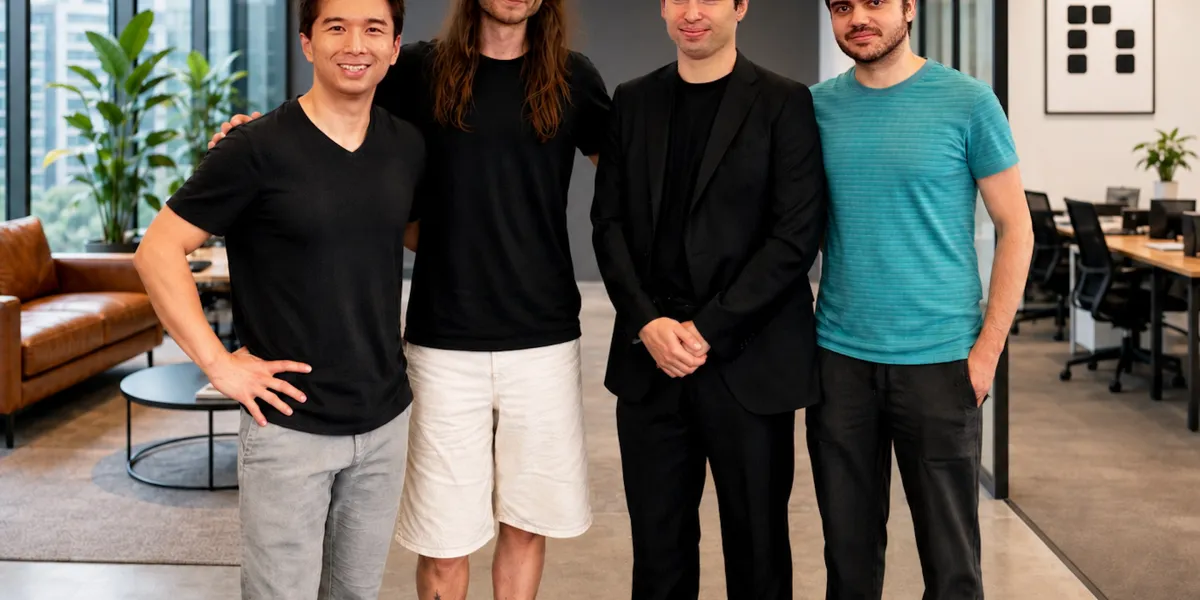
Exclusive: The researchers who built AI-generated DNA just raised $50 million to reinvent biology
Eric Nguyen was a perpetual student, much to his parents’ chagrin. After receiving a master’s of engineering at Cornell and doing a stint training AI to interpret and understand the visual world, Nguyen enrolled in a Stanford bioengineering PhD program specifically to find a problem worth fighting for. “I basically went back to the PhD…
-
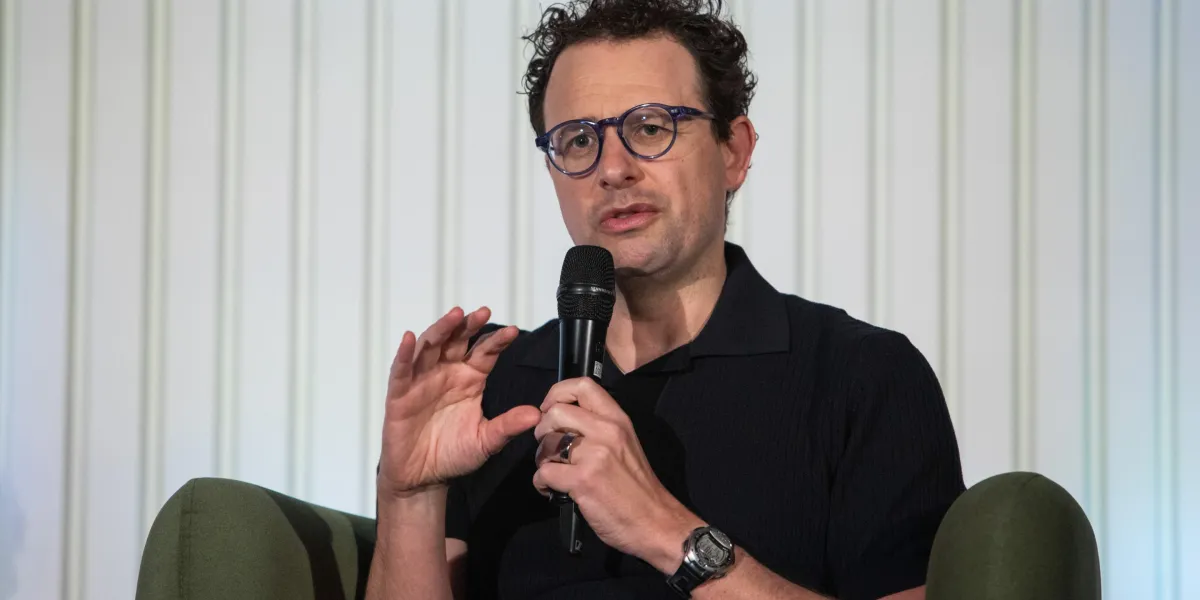
A warning from Amazon led the White House to shut down Anthropic’s Mythos model
A warning from Amazon chief executive Andy Jassy, concerns about unauthorized Chinese access, and cybersecurity fears all reportedly led the Trump administration to cut off foreign access to Anthropic’s powerful new AI model, Fable 5. According to multiple media reports,Jassy first raised concerns about the model with senior administration officials on Thursday after Amazon researchers…
-
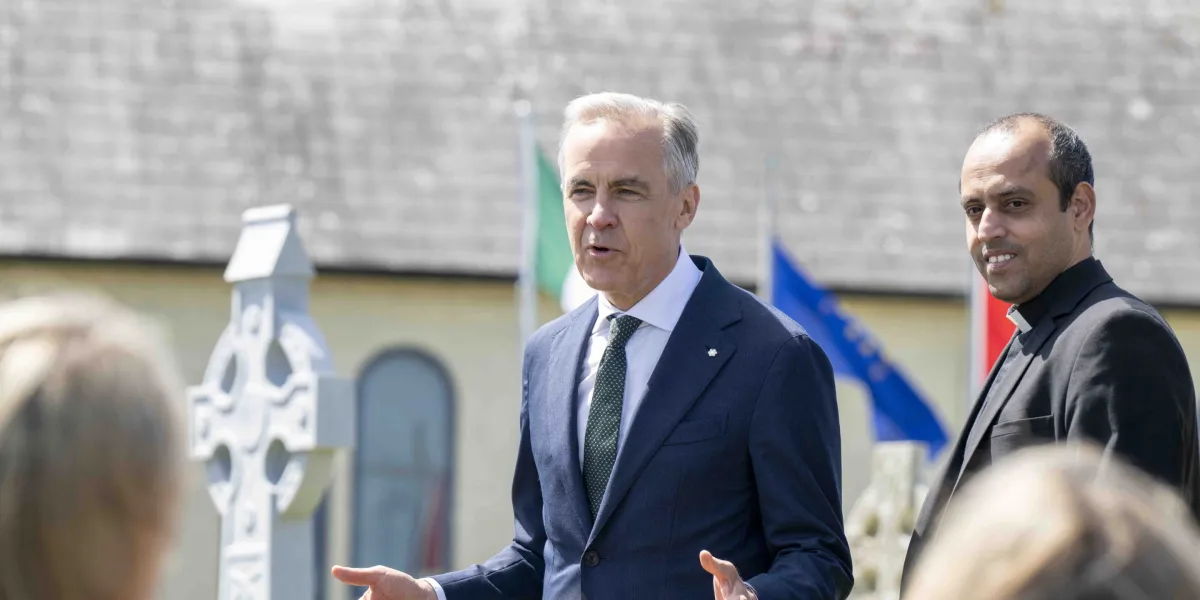
Canadian Prime Minister Mark Carney warns U.S. restrictions on new Anthropic AI models show danger of relying too much on American providers
Canadian Prime Minister Mark Carney said Sunday U.S. restrictions on Anthropic’s newest AI models show the dangers of overreliance on a limited number of American providers. AI giant Anthropic said Friday it has taken its latest artificial intelligence models, known as Fable 5 and Mythos 5, offline to comply with a directive from the Trump…
-
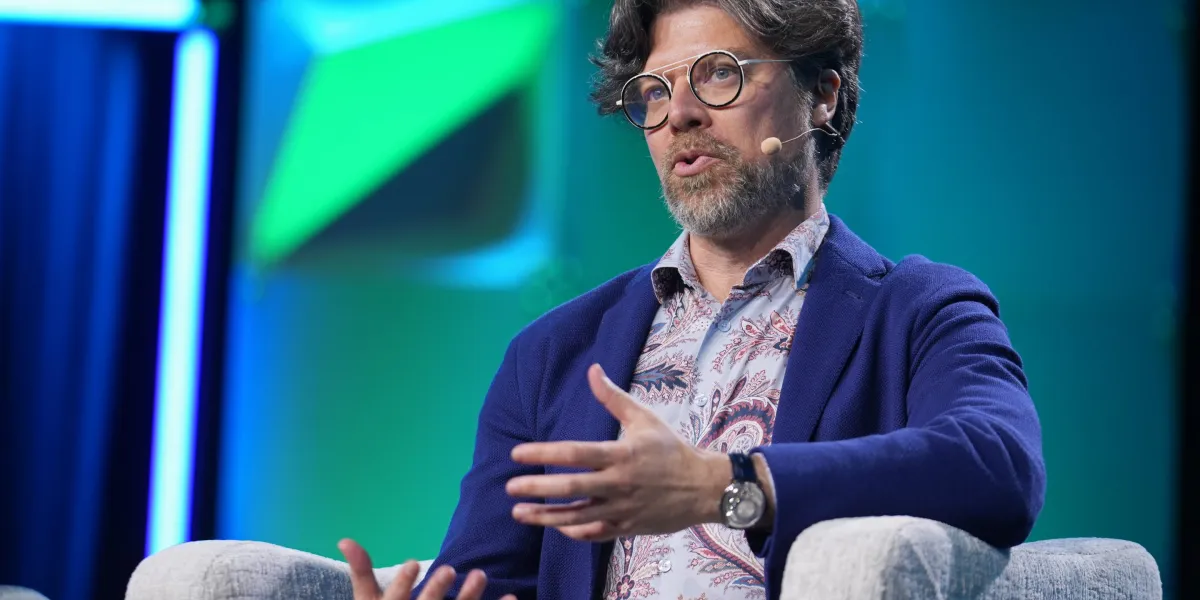
‘The cost of compute is far beyond the costs of the employee’: Nvidia executive says right now AI is more expensive than paying human workers
Recent tech layoffs would initially appear to indicate the great labor shift from human workers to AI may already be happening. Meta announced in a memo earlier this year it plans to lay off 10% of its workforce, about 8,000 employees, as well as scrap plans to hire for 6,000 open positions. It’s part of…