Business
-
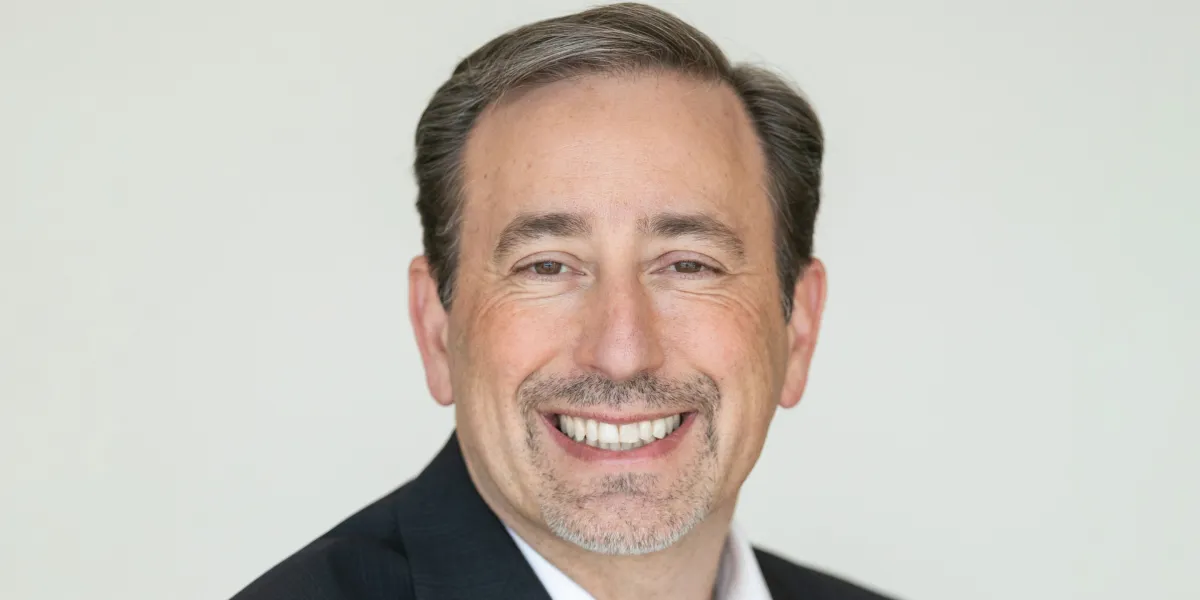
How Qualcomm’s CIO is placing big bets on AI to support the chip company’s diversification push
Atilla Tinic spent three decades in the telecommunications sector, but it was his most-recent role in the field—serving as chief information officer at EchoStar—that inspired his next gig as CIO at semiconductor company Qualcomm. During Tinic’s time at EchoStar, the satellite internet provider had grand ambitions to become the U.S.’s fourth major carrier under its…
-
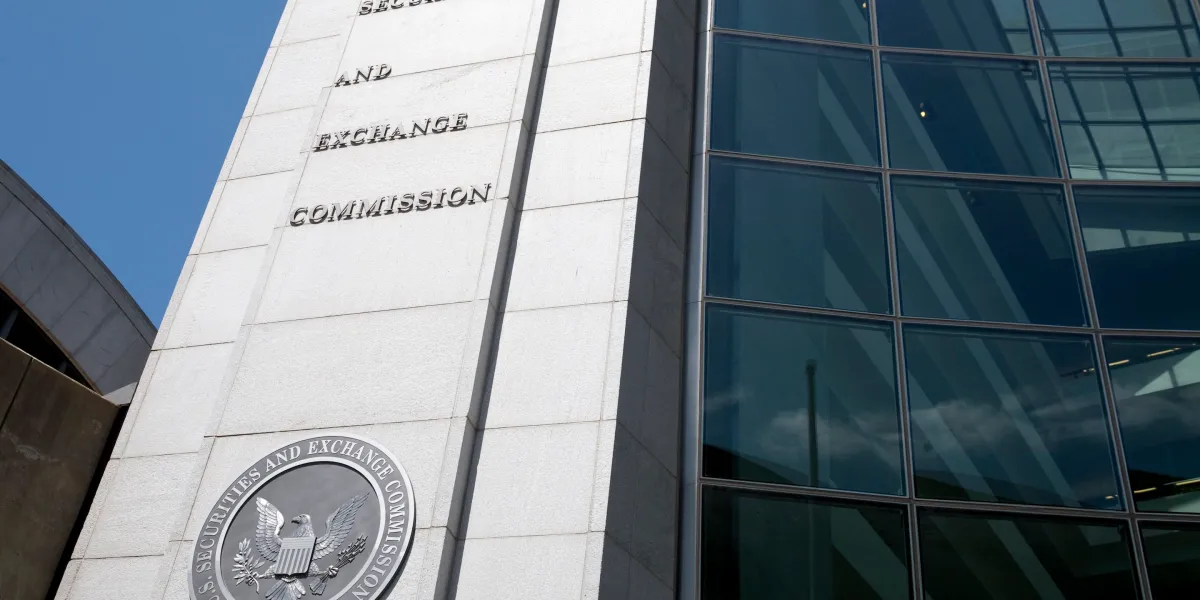
Thousands wrote to the SEC about quarterly reporting. A detailed letter came from Exxon’s CFO
Good morning. Earnings season is about to kick off, just as the U.S. Securities and Exchange Commission weighs whether companies should keep reporting quarterly or have the option to shift to semiannual disclosures. In May, the SEC announced a proposed rule and form amendments that would allow semiannual reports to satisfy interim reporting obligations under…
-

Unilever’s big World Cup bet is all about building ‘desire at scale’
In today’s CEO Daily: Unilever USA president on winning the social shelf, the digital shelf, and the physical shelf via the World Cup. The big leadership story: An AI productivity push that backfired The markets: Stocks crater as Trump declares the Iran ceasefire ‘over.’ Plus: All the news and watercooler chat from Fortune. Good morning.…
-
SK Hynix—which supplies memory chips to Nvidia—is about to test Wall Street’s appetite for the next wave of tech IPOs
Good morning. Another major AI supply-chain company is launching a U.S. listing. South Korean memory-chip maker SK Hynix, a key Nvidia supplier, is expected to begin trading on the Nasdaq this Friday. This follows Elon Musk’s SpaceX, which went public on June 12, listing on the Nasdaq Global Select Market under the ticker SPCX. The…
-
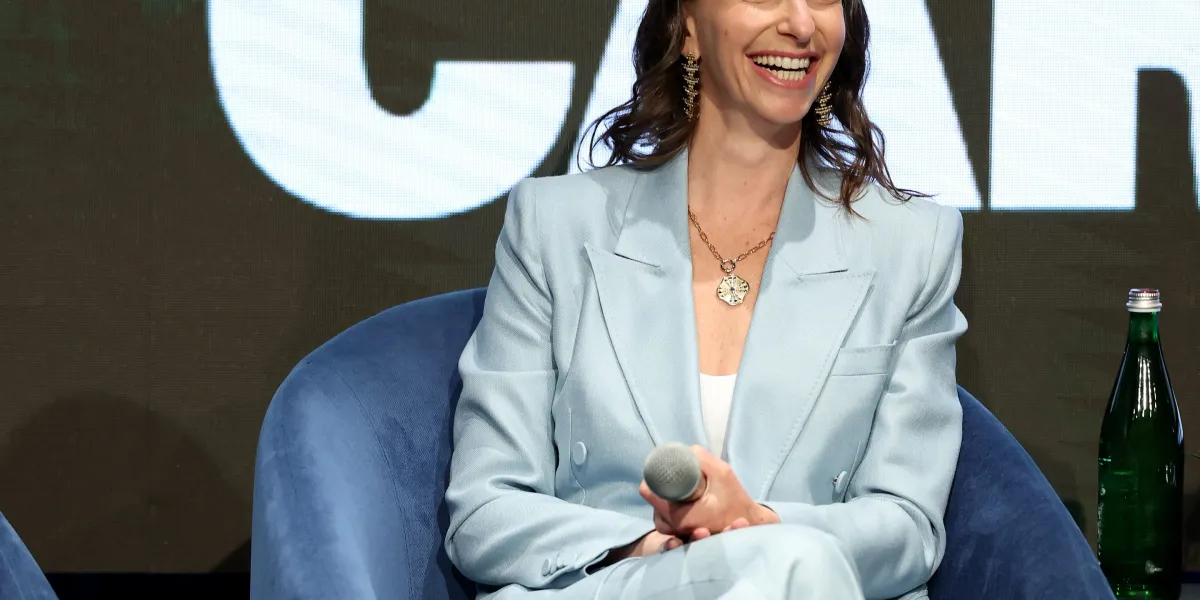
World Cup fever is real. This CEO is betting it’s not fleeting
In today’s CEO Daily: An interview with the CEO trying to capitalize on the World Cup frenzy. The big leadership story: Xbox’s CEO hits reset. The markets: Mixed globally as investors dump chip stocks in Asia. Plus: All the news and watercooler chat from Fortune. Good morning. So far, the 2026 FIFA World Cup is…
-
Microsoft’s Frontier push aims to turn AI spending into measurable returns
Good morning. Microsoft is making a $2.5 billion investment in Microsoft Frontier Company, a new operating business focused on delivering AI-driven business transformation for customers. The move reflects the tech giant’s belief that solving enterprise AI’s ROI challenge will be the key driver of the next wave of enterprise AI adoption and spending. With 6,000…
-

The tech attention crisis has hit the workplace. One company thinks AI is the cure
Good morning! Thanks to a wave of landmark lawsuits against some of the world’s largest social media companies, the debate over tech addiction has been thrust back into the spotlight. For employers, the issue is showing up in a familiar way: workers struggling to stay focused, their attention constantly pulled toward their phones. When Jayney…
-
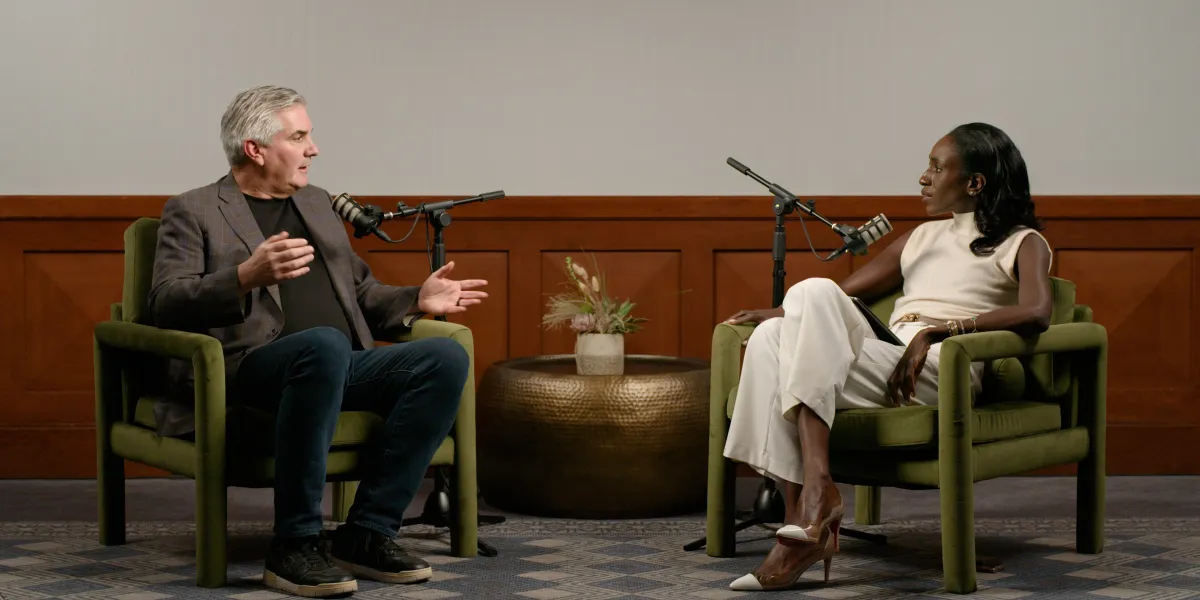
How the company behind Coach and Kate Spade decides what belongs in its portfolio
The lines between the CFO and COO are increasingly blurring. Scott Roe sits squarely at that intersection at Tapestry, the parent company of Coach and Kate Spade, and (until its recent sale) Stuart Weitzman, overseeing both capital allocation and day-to-day operations. His dual role suggests how Tapestry thinks about strategy: investing in the portfolio and…
-
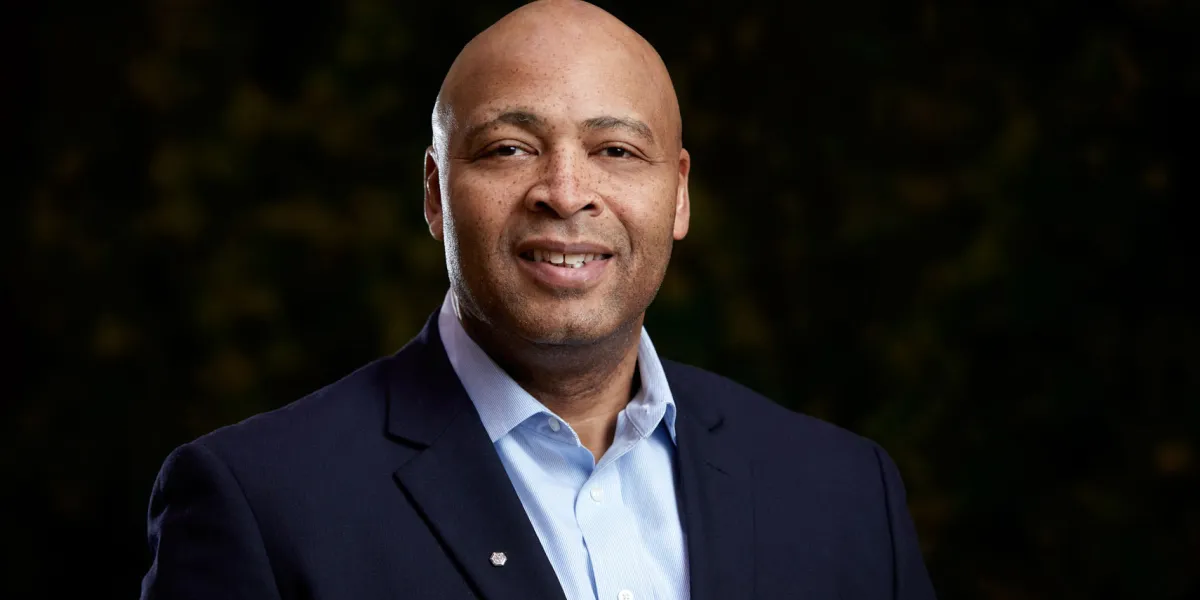
C.H. Robinson’s CEO is running his AI transformation on Lean principles: ‘It’s been a game-changer for this company’
In today’s CEO Daily: Diane Brady interviews C.H. Robinson CEO Dave Bozeman. The big leadership story: JPMorgan built a pipeline of female CEO candidates. Then it fell apart. The markets: Mixed globally, with U.S. stocks maintaining last week’s momentum. Plus: All the news and watercooler chat from Fortune. Good morning. Dave Bozeman is one of…
-
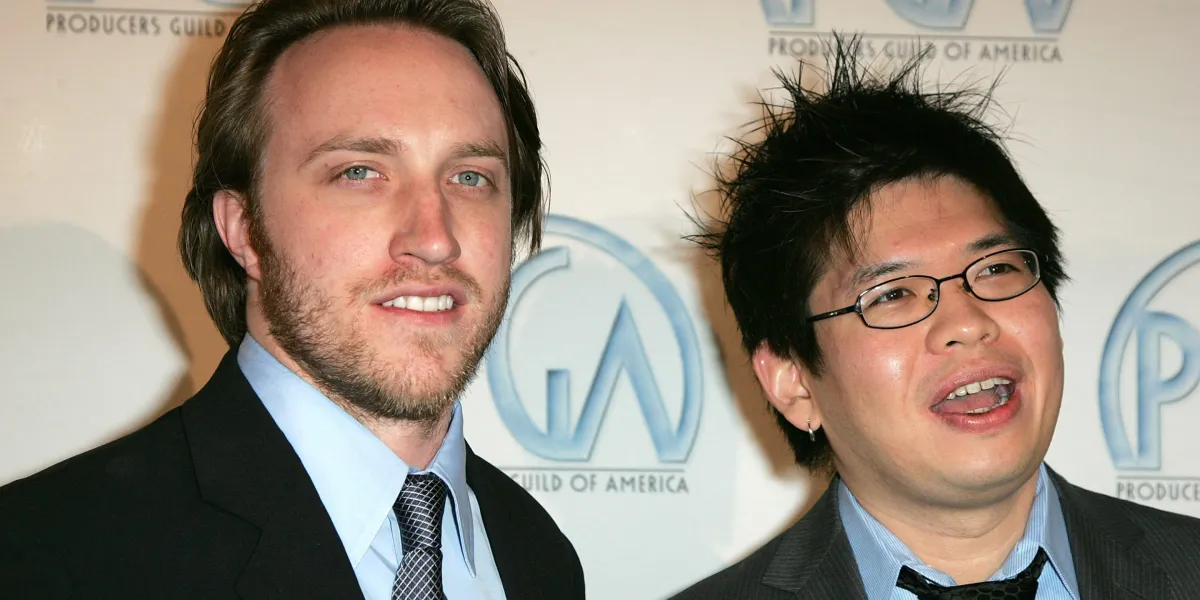
YouTube’s founders split over $650 million when they sold to Google in 2006—had they held out, they could have taken a slice of $550 billion
YouTube sold to Google in 2006 for $1.65 billion, with cofounders Chad Hurley and Steven Chen splitting over $650 million worth of stock shares. And while their wealth increased exponentially with the acquisition, estimates put today’s value of YouTube at $550 billion—a 333x increase. Few could imagine YouTube’s eventual media dominance at the time, making…