Economy
-

U.S. economy surprises with 115,000 new jobs created in April
America’s employers a delivered a surprising 115,000 new jobs last month despite an economic shock from the Iran war. Hiring was better than the 65,000 forecasters had expected, though it decelerated from the 185,000 jobs created in March. The unemployment rate remained at a low 4.3%. The Iran war has caused the biggest disruption of…
-

Wall Street piles into ‘NACHO’ bet on looming oil shortages in June
Good morning. On Fortune’s radar today: AI’s rampant token fraud problem. Markets: Stocks fall as shooting resumes in the Gulf. The ceasefire is still in effect, Trump says. Wall Street’s new “NACHO trade.” Oil begins to run out in June, J.P. Morgan warns. The surprisingly good news about unemployment. The economics of being unhappy. Quick…
-

The $39 trillion debt is set to surpass its postwar peak—and the math says Washington can’t simply cut its way out
By the time President Harry Truman left office in 1953, the United States had spent the better part of a decade paying down the debt it had run up to win World War II. The peak—reached in 1946—was 106% of GDP, a number so large that policymakers spent a generation treating it as the high-water…
-
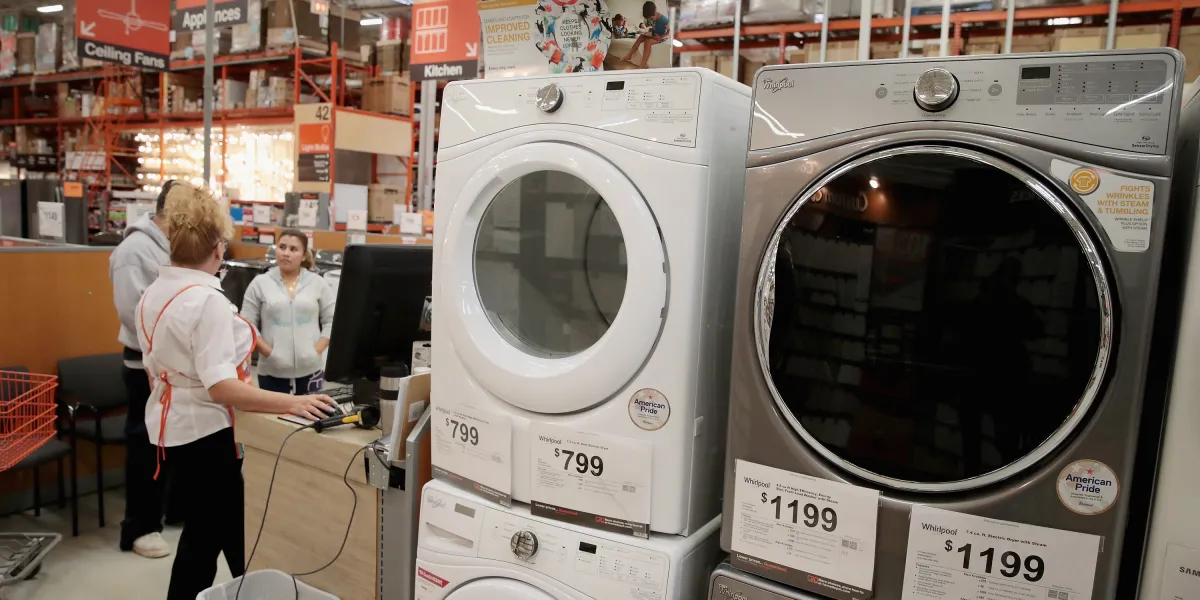
Whirlpool has a word for what the Iran War is doing to its industry: recession
Whirlpool has a word for what’s happening to its business. Two, actually, and both of them are “recession.” On the company’s first-quarter earnings call Wednesday, CEO Marc Bitzer and North America president Juan Carlos Puente both reached for the same term to describe what the war in Iran has done to U.S. appliance demand. Industry…
-

Americans owe $1.68 trillion on car loans — more than credit card debt and as much as all federal student loans
Some types of debt seem inescapable. Tens of millions of American are saddled with mortgages, student loans, credit card debt or a combination of the three. But there’s another place where Americans also carry huge outstanding liabilities: in their garages. Cars are rivaling everything else in terms of debt bondage for everyday Americans. Roughly one…
-

Two Americas, one drive-thru: Welcome to fast food’s contradictory, split-screen economy
The American consumer didn’t disappear in the first quarter of 2026. They just got pickier about where they spent their money — and the divergence is rippling through the fast food industry with unusual force. This week’s cascade of restaurant earnings produced a striking set of contradictions: Taco Bell delivered a blowout 8% same-store sales…
-

Iran War forces DoorDash to shell out $50 million to help struggling delivery drivers
DoorDash said Wednesday it expects to spend more than $50 million in the second quarter on gas price relief for its delivery drivers. The San Francisco-based company said in March that it would offer extra compensation to U.S. and Canadian drivers as part of a temporary program to offset a sharp increase in gas prices…
-

U.S. Treasury will have to borrow $2 trillion this year just to continue functioning—more than $166 billion every month
The U.S. Treasury will likely have borrowed more than $2 trillion by the end of the fiscal year, according to the latest estimates out of the Executive Office of the president—a figure described as “beyond scary” by budget hawks. Yesterday, the department headed by Scott Bessent released its latest Quarterly Refunding Documents, which communicate any…
-
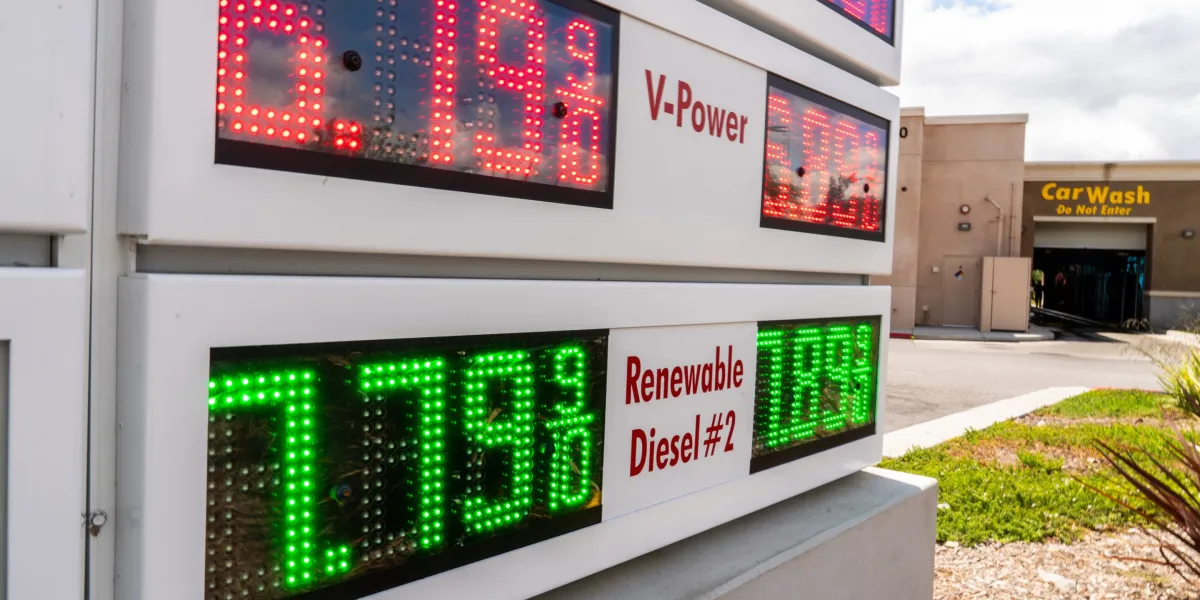
Iran War is hitting low-income Americans the hardest at the gas pump, New York Fed says
Lower-income Americans sharply reduced their gas consumption in the month following the Iran war, yet spiking prices still forced them to spend more at the pump, worsening the economy’s economic disparities, new research released Wednesday showed. Higher-income households, meanwhile, ratcheted up their spending on gas while barely reducing their consumption, according to a report from the Federal Reserve…
-

AI could solve America’s $39 trillion debt crisis—but only if Washington abandons displaced workers, Yale report warns
The big bet on AI—the near-trillion dollars that hyperscalers are spending to build out the technology’s infrastructure—is predicated on the belief that productivity will skyrocket. If that bet pays off, a new report from policy research center Yale Budget Lab finds AI could help tackle one of the country’s most urgent crises: the $39 trillion…