Economy
-
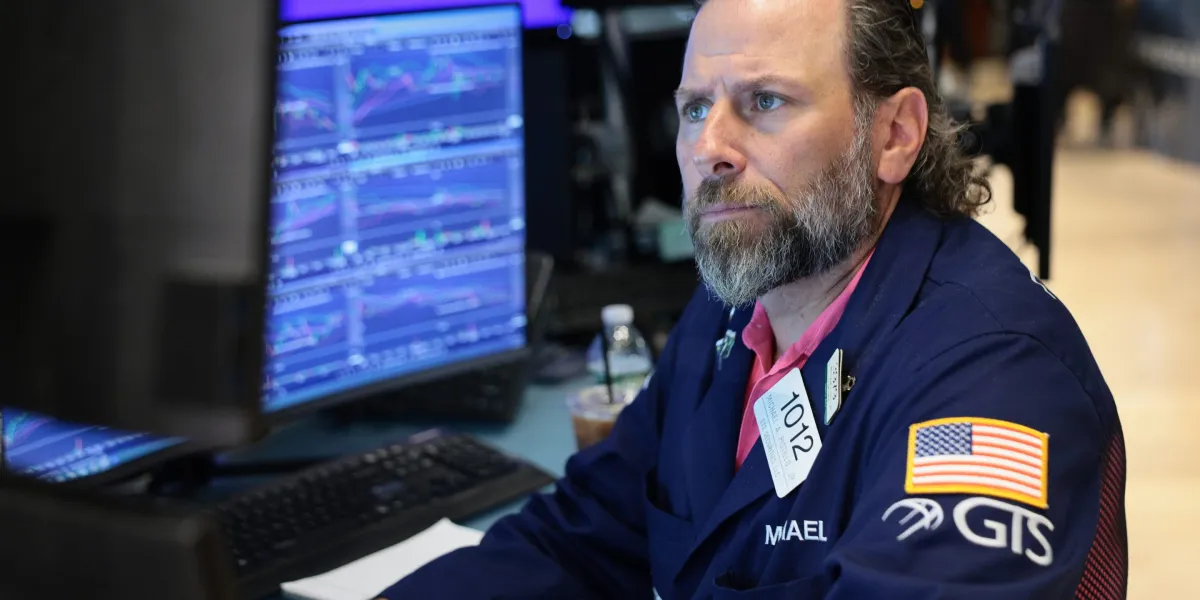
The central bank of central banks just released its flagship annual report — and it sees a $1 trillion AI investment boom headed for a reckoning
The canal mania of the 1830s. The British railway bubble of the 1840s. The dot-com crash of 2000. Each began with a genuine technological breakthrough that attracted more capital than commercial returns could ultimately justify. Each ended in a recession. The Bank for International Settlements — the Basel-based institution that coordinates the world’s central banks…
-

The Supreme Court upholds Fed independence by saving Lisa Cook’s job—and also saves U.S. debt from a crisis
The Federal Reserve retains a special status in the government that shields it from interference by the White House, the Supreme Court said in a decision that has critical implications for the bond market. Justices ruled 5-4 on Monday President Donald Trump was wrong to try ousting Fed Governor Lisa Cook last August because she…
-
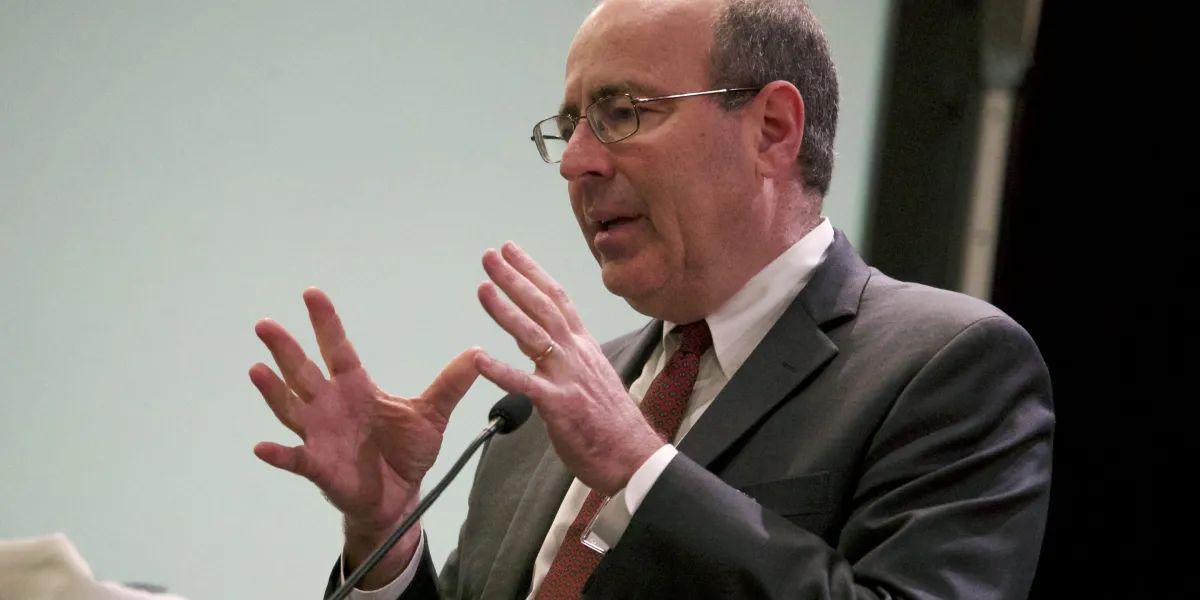
Fed’s Barkin warns of high inflation, but sees signs of relief
Federal Reserve Bank of Richmond President Tom Barkin warned that inflation is too high, though he sees tentative signs that price pressures may moderate soon. “Those numbers are too high,” Barkin said Sunday in an interview with Bloomberg on the sidelines of the Aspen Ideas Festival in Aspen, Colorado. A report released Thursday showed the…
-
Social Security is headed for a day of reckoning, and Congress is running out of time to save boomers. Lawmakers are proposing some hard choices
Congress has long dodged any Social Security reforms that would cut benefits, hike taxes, or do both. But those days of procrastination are coming to an end, and some lawmakers are facing up to that reality. The clock is ticking and getting louder. New projections this month showed that the Social Security trust fund will…
-
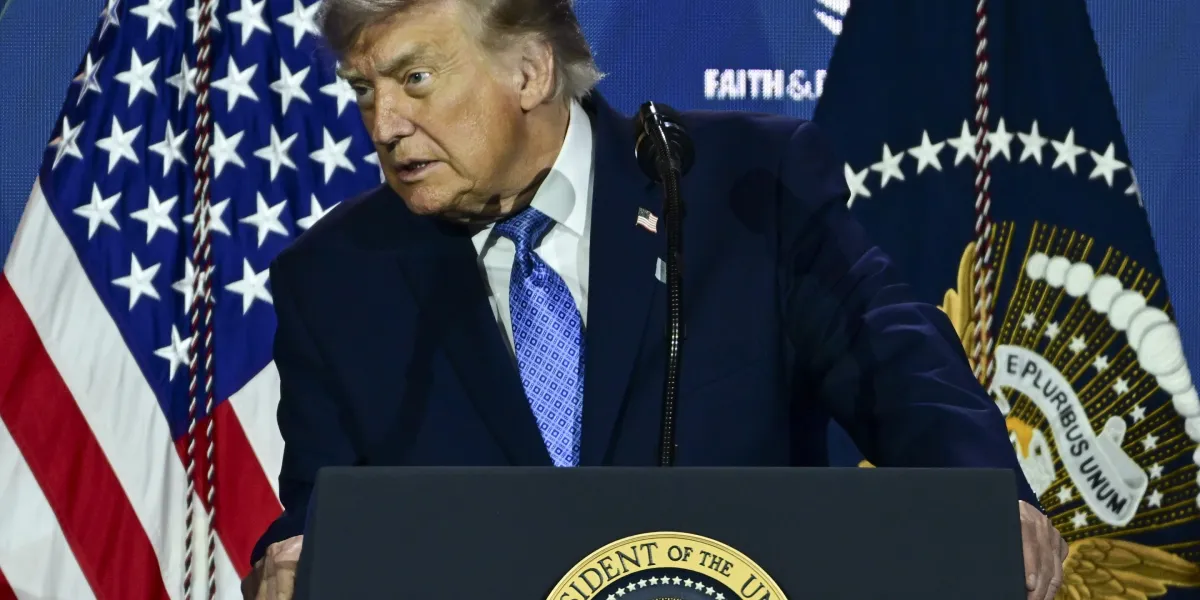
Trump’s U-turn on Iran sanctions would unravel decades of curbs
The Trump administration’s effort to unwind decades of sanctions as part of a deal to end the war with Iran has created a head-spinning situation for governments, banks and other companies as they contemplate a shifting patchwork of new permissions and old restrictions. Following the revolution in 1979, Iran became one of the most sanctioned…
-
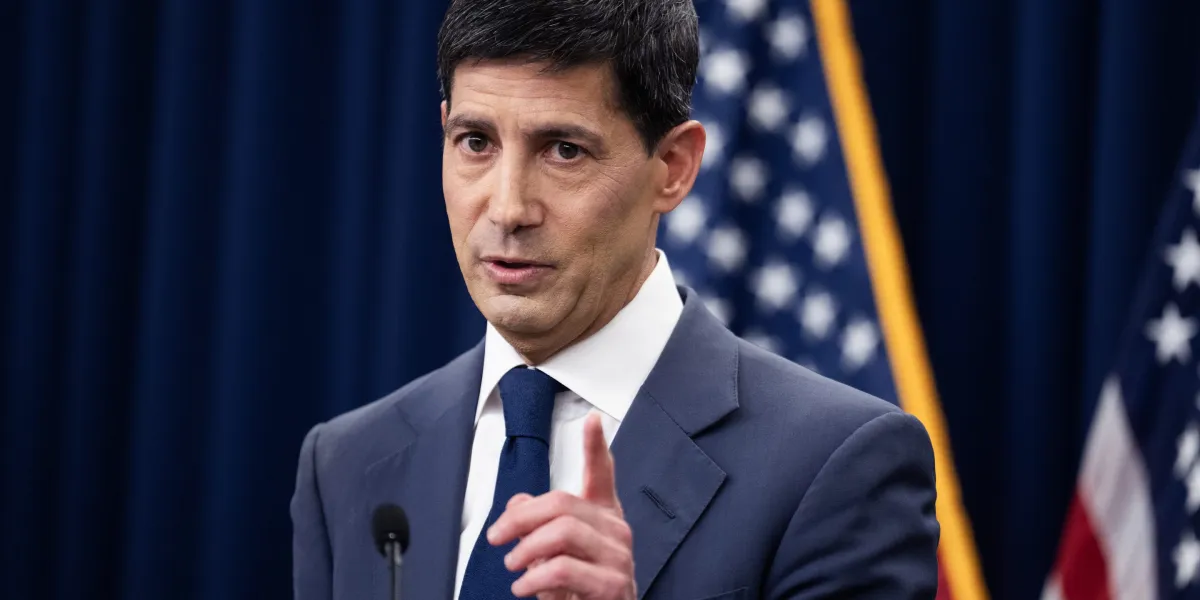
The contrarian view for Fed rate cuts: Payrolls will weaken, inflation will plunge, and Kevin Warsh was ‘largely performative’ in his hawkishness
Wall Street overwhelmingly expects the Federal Reserve to hike rates later this year, but a few contrarians still insist the opposite will happen. According to CME’s FedWatch tool, investors have priced in 77% odds that the central bank will lift the benchmark rate by a quarter-point or more by the end of the year. That’s…
-
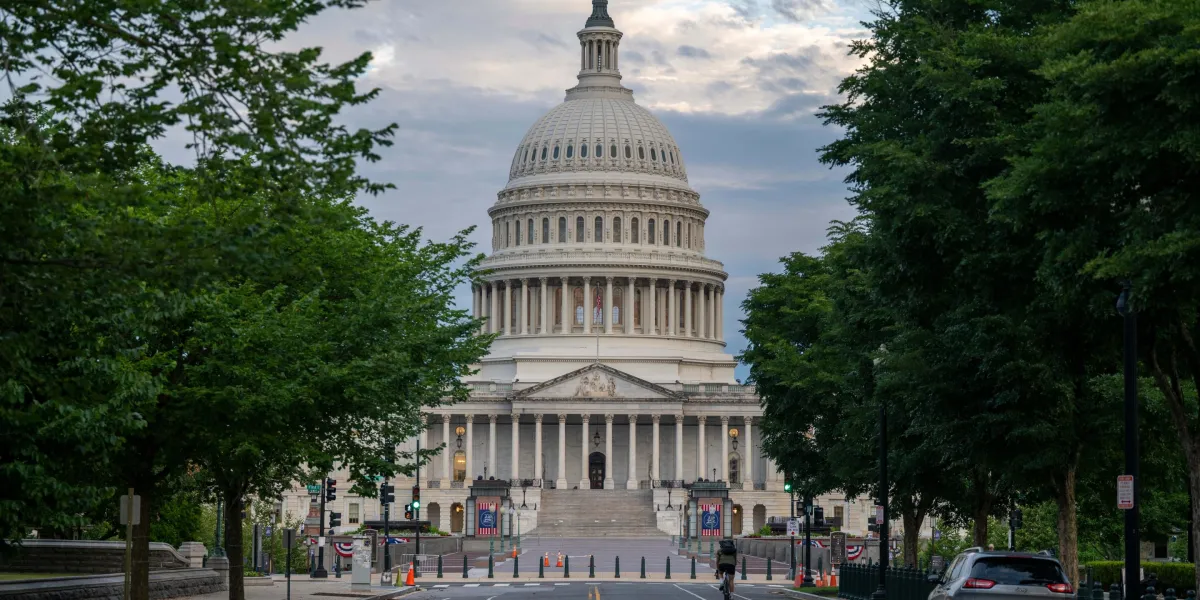
S&P keeps U.S. sovereign rating at AA+ with stable outlook
S&P Global Ratings affirmed the US’s credit rating at AA+, one level below the top rank, citing a resilient economy and high but stable fiscal deficits. “The US economy’s resilience should support solid fiscal revenue collection, including from continued tariffs, and stabilize fiscal deficits over the next several years,” analysts at S&P led by Lisa…
-

One chart explains the economy’s terrible baby boomer hangover, Gen X’s invisibility, and millennial and Gen Z irrelevance
The Census Bureau is out with new data, documenting how America has grown over the past six years — or not. One takeaway is clear: the Baby Boomer generation is so massive and has such a stranglehold on the economy that essentially no part of the country is seeing any real population growth among younger…
-
The richest 20% are the only ones powering the U.S. economy, says top economist, but their prospects are entirely reliant on teetering stock prices
In the run-up to the internet bubble, the richest 20% of American consumers made up 50% of spending—boosted by the ballooning valuations of their portfolios. Fast forward to the era of AI, and again, the richest households in the U.S. are gaining confidence as their asset valuations grow. Only this time, the spending of the…
-
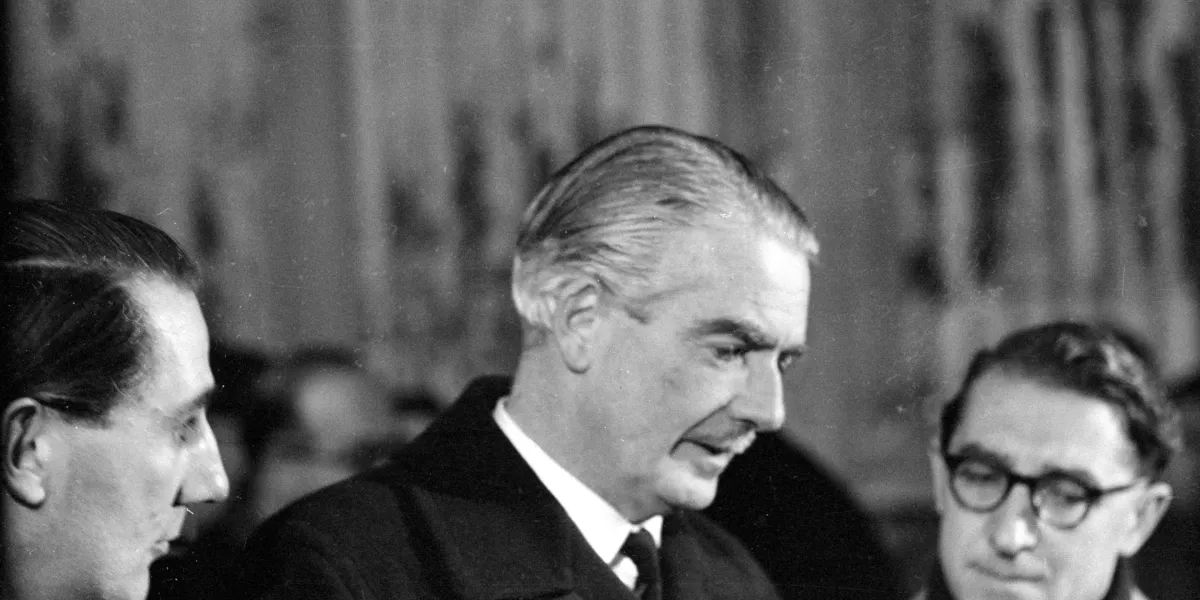
Ray Dalio says the U.S. just had its ‘Suez moment’—and history says what comes next could end an empire
“Watch out for allies and creditors losing confidence, the loss of its reserve currency status, the selling of its debt assets, and the weakening of its currency, especially relative to gold.” Ray Dalio didn’t write that sentence about Britain in 1956. He wrote it about the United States in March 2026. But the parallel he…