Economy
-
The bond market knows something about the $39 trillion national debt that Washington doesn’t
The national debt—a barely comprehensible $39 trillion—seems, to hear economists tell it, forever one shock away from bringing the whole country down. Lately, the designated culprit is the Federal Reserve. The case is relatively straightforward. On June 17, the Fed didn’t raise interest rates—it held them at 3.5% to 3.75%, as expected—but it signaled that…
-
Trump turns on Big Oil donors who spent nearly $100 million to get him elected—now he wants the DOJ to investigate them for price gouging
Oil and gas chiefs may have quietly cracked a smile when Donald Trump won the 2024 presidential election. Oil billionaire Harold Hamm, founder of Continental Resources, called it “the most important election in our lifetime” as he made calls urging energy executives to donate to Trump’s campaign. Vicki Hollub, who heads up Occidental Petroleum, also…
-
U.S. companies swallowed the oil shock. They’re not sure they can do it again
Chief financial officers (CFOs) across U.S. companies said they’ve been able to navigate the challenges of increased energy costs as a result of the closure of the Strait of Hormuz, but that’s done little to assuage their anxieties around future inflation, according to new Fed data. A survey published on Wednesday by the Federal Reserve…
-

Deviled eggs, seltzer and a burger you can’t quit: The GLP-1 crowd is (halfway) reinventing the American BBQ
Price hikes, Ozempic culture, and a stubborn love of beef are colliding at the grill this July 4th. Americans are heading into the Fourth of July weekend with lighter coolers, cheaper eggs, and a nagging sense that they probably shouldn’t be spending $10 a pound on ground beef. They’re going to do it anyway—but maybe…
-
Trump’s international student crackdown kicked off a domino effect that could shave nearly $500 billion off the economy
U.S. colleges are dealing with plummeting international student enrollment, and the consequences could go far beyond shrinking tuition revenue. International students have become less likely to pursue education in the U.S. since President Donald Trump’s return to office. The administration has introduced more restrictive anti-immigration policies, including measures that explicitly target foreign-born students, and tightened…
-
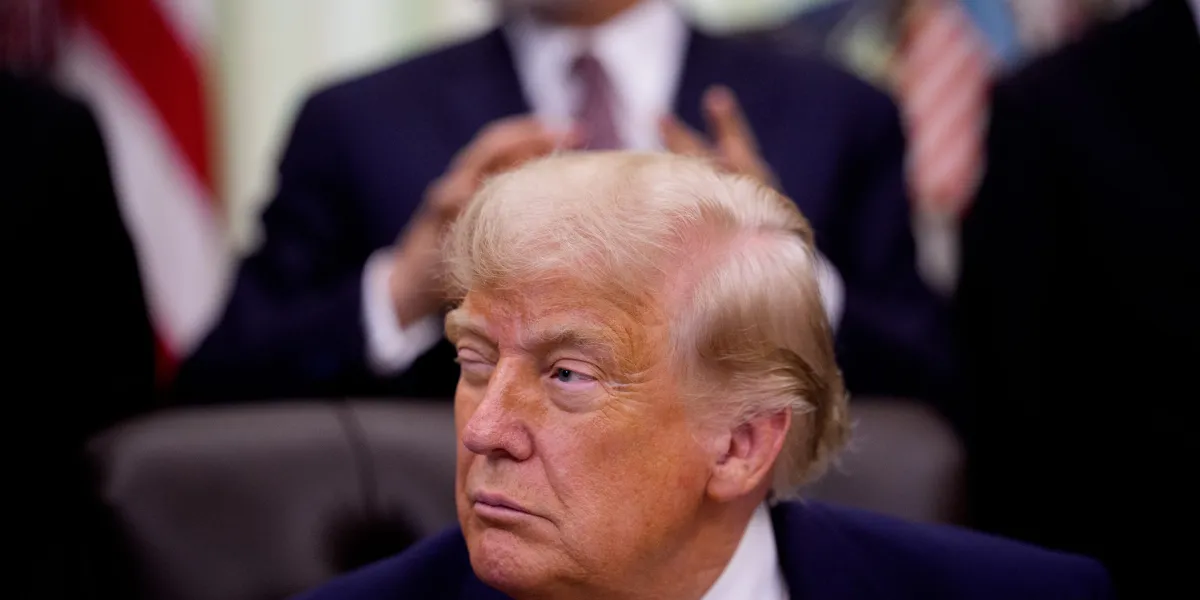
Trump claims consumers are being ‘gouged’ by gas companies and orders DOJ price probe, as Bessent warns U.S. must avoid ‘foreign chokepoints’
With tensions in the Middle East slowly unwinding, President Trump wants to see the step-down in oil prices reflected at the pumps for American consumers. In fact, he’s ordered a Department of Justice probe into the issue to find out why gas isn’t already cheaper. In a Truth Social post early this morning, Donald Trump…
-
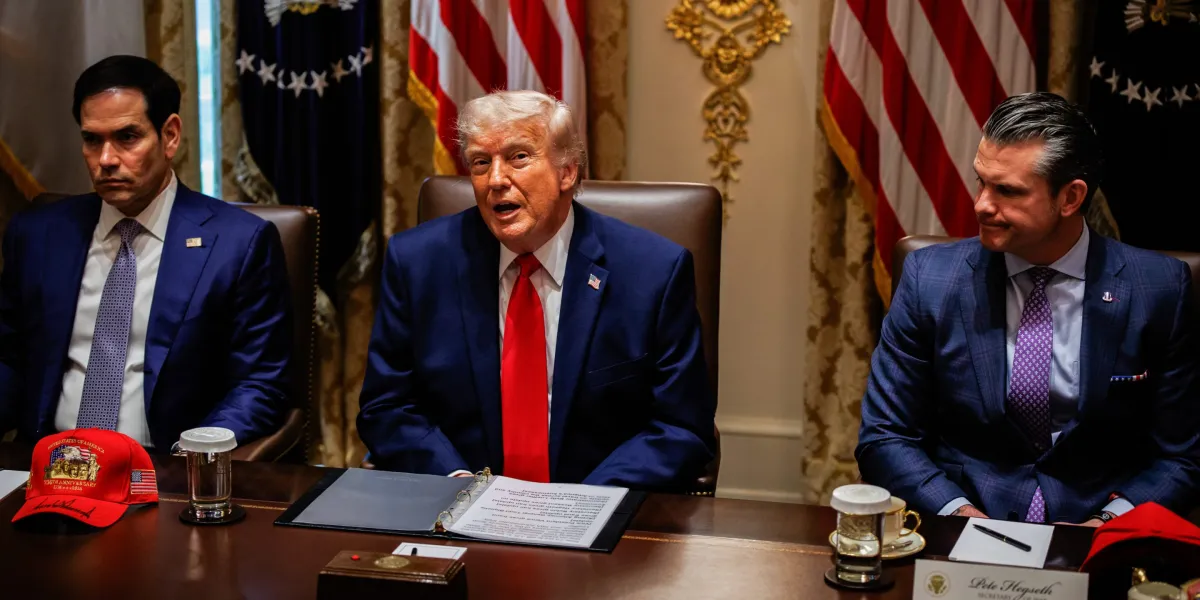
The Pentagon said Iran War costs $29 billion,but the real cost is closer to $200 billion—and counting
After nearly four months of fighting, a blockade of one of the world’s busiest shipping corridors, a threat of “annihilation” of an entire country, and a shaky ceasefire, the war in Iran is over—or so it seems. Talks between American and Iranian governments to reach a preliminary deal and officially end the conflict continued well…
-
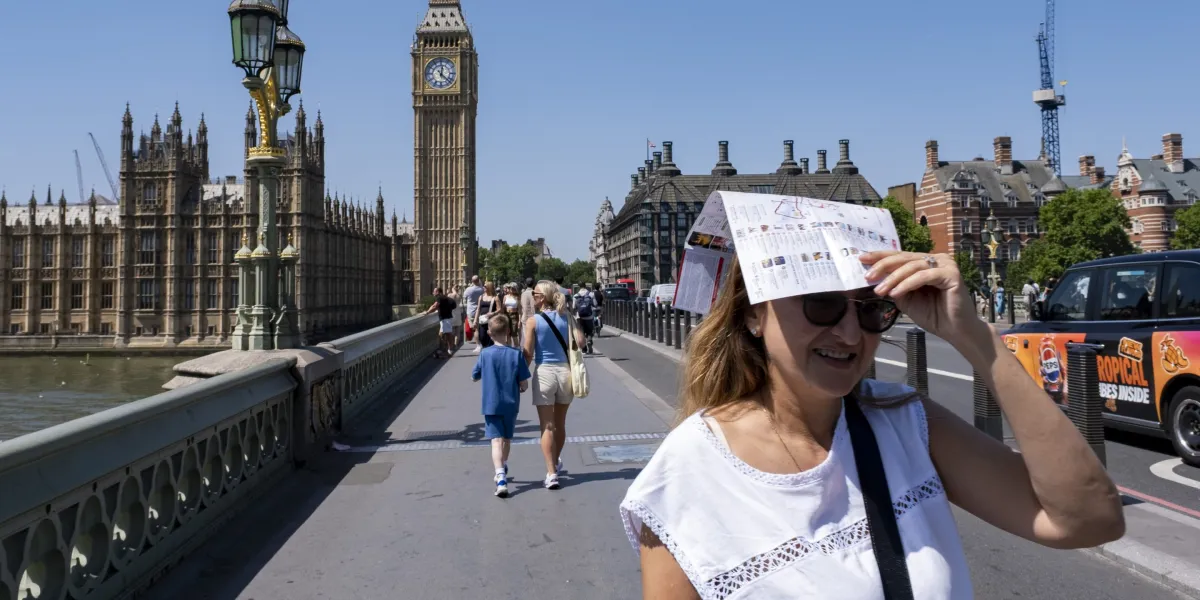
‘London isn’t just calling—it’s cooking.’ Europe’s largest economies face over $600 billion in heat-driven losses by 2030
On Tuesday, United Nations Secretary-General Antonio Guterres delivered a speech at London’s Climate Week. Climate activists could not have hoped for a better day for the UN chief to step up to the podium. With temperatures pushing into the high 90s in London (that’s above 30 for the Celsius heads), Tuesday went down as the…
-
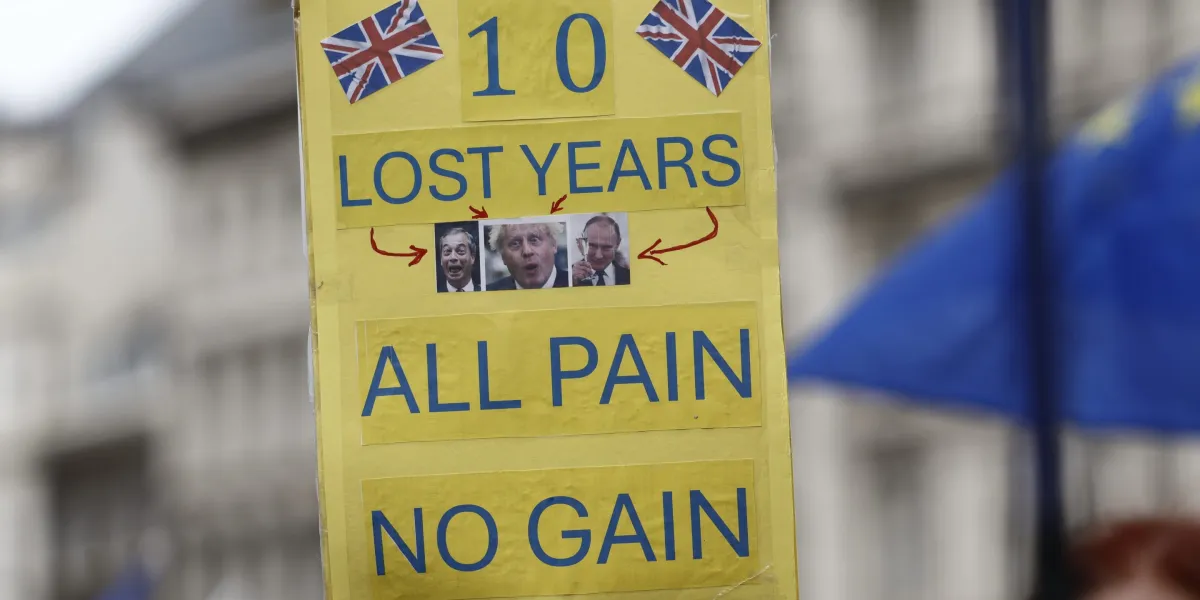
Meet a British businessman who doesn’t regret his Brexit vote. He says rejoining the EU would be ‘re-boarding the Titanic’ while giving up life vests
Simon Boyd’s firm makes prefabricated steel structures on the south coast of England and ships them to customers as far away as Ghana and Barbados. Mike Hawes represents Britain’s carmakers as the head of the Society of Motor Manufacturers and Traders. The business leaders were on different sides of the debate when Britain voted to…
-
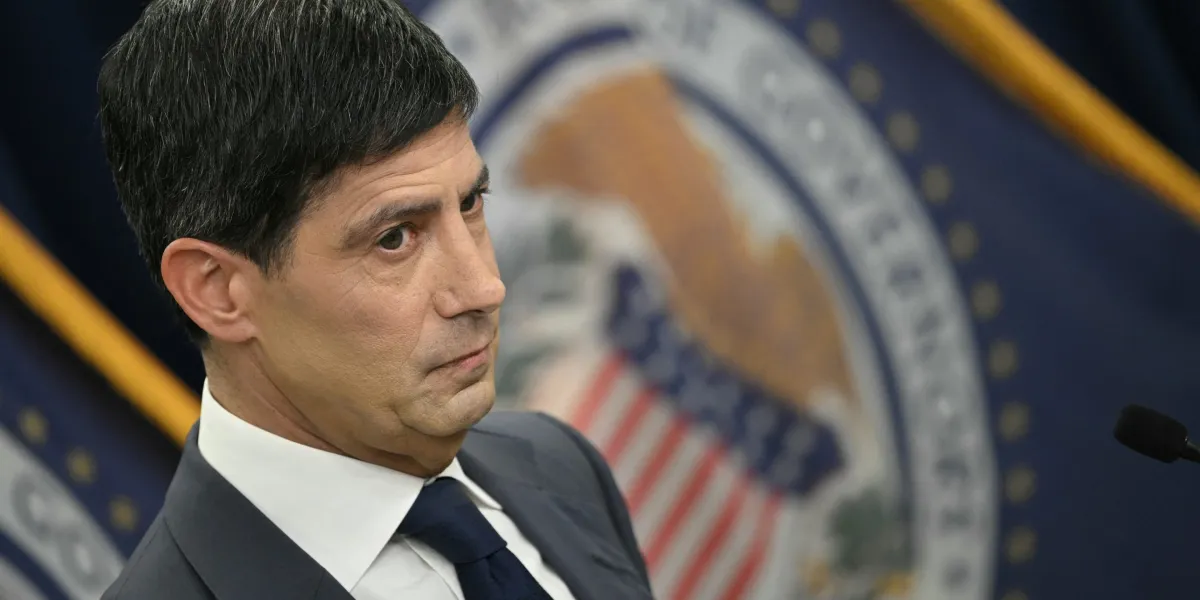
The Fed is fed up with inflation and will bring down the hammer with a series of rate hikes this year, reversing earlier cuts, BofA says
The Federal Reserve has tolerated inflation above its 2% target for five years as it navigated a series of shocks, but analysts at Bank of America said that patience is coming to an end. In a note on Monday, BofA changed its forecast and predicted the Fed will raise rates by a quarter point three…