Economy
-
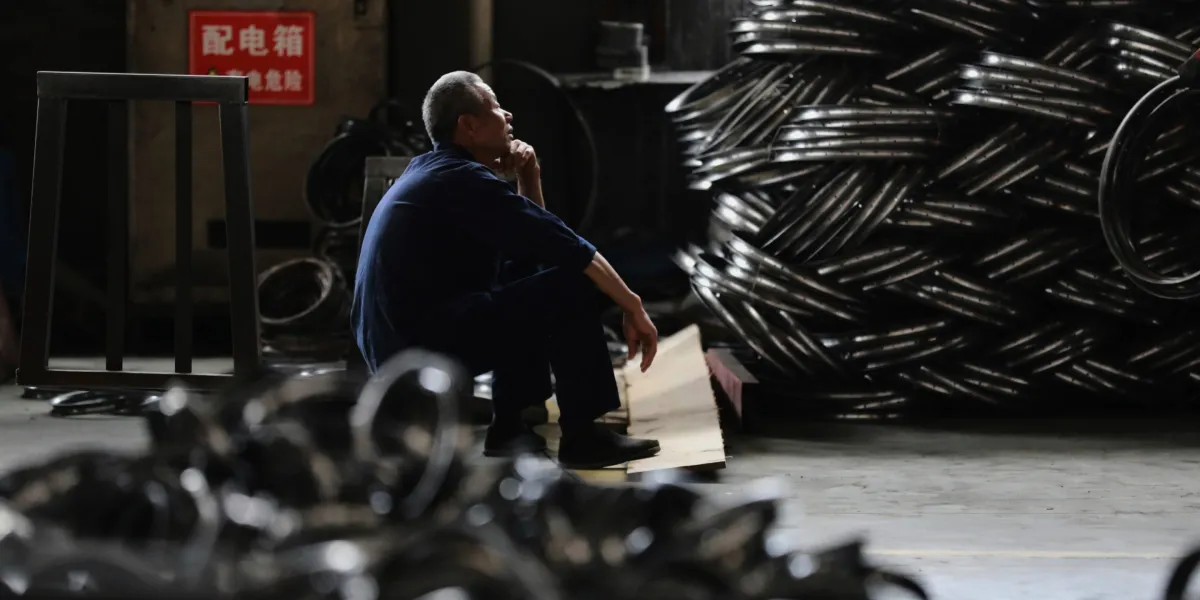
Chinese factory activity flattens as analysts wonder about true damage from Iran War
China’s factory activity was flat in May, according to an official survey released Sunday, raising questions about how much further the country’s economy can shield itself from the fallout of the ongoing Iran war and pressure on demand. The official manufacturing purchasing managers index moderated to 50 from 50.3 in April, according to the National Bureau of Statistics.…
-

High gas prices are just the start — inflation is seeping into the rest of the economy
Americans don’t need a press release to know that inflation is rising. Gasoline is above $4 per gallon amid the ongoing conflict in the Middle East and closure of the Strait of Hormuz, and the release of key price data on May 28, 2026, underscores why policymakers are worried these pressures could spread into the…
-

Gen Z is rejecting $200 dates and choosing ‘solo-maxxing’—and dating apps are taking a hit
As Americans weather inflation, tariffs, and a rising cost of living, it feels as if there’s little room in their budgets for discretionary spending. And that means modern dating is taking a hit. In fact, dating has gotten so expensive that a growing share of Gen Z and millennials are deciding that the cheapest (and…
-

Surging Treasury yields expose a brutal truth: America has no margin for error on its $39 trillion debt
In the days before the Memorial Day weekend, rates on 30 year Treasury bonds hit their highest level in 19 years at 5.2%, and the benchmark 10-year reached 4.7%, the top reading since mid-2007. If those kinds of yields take hold, the scenario for federal interest expense posited in the CBO’s “Budget and Economic Outlook:…
-
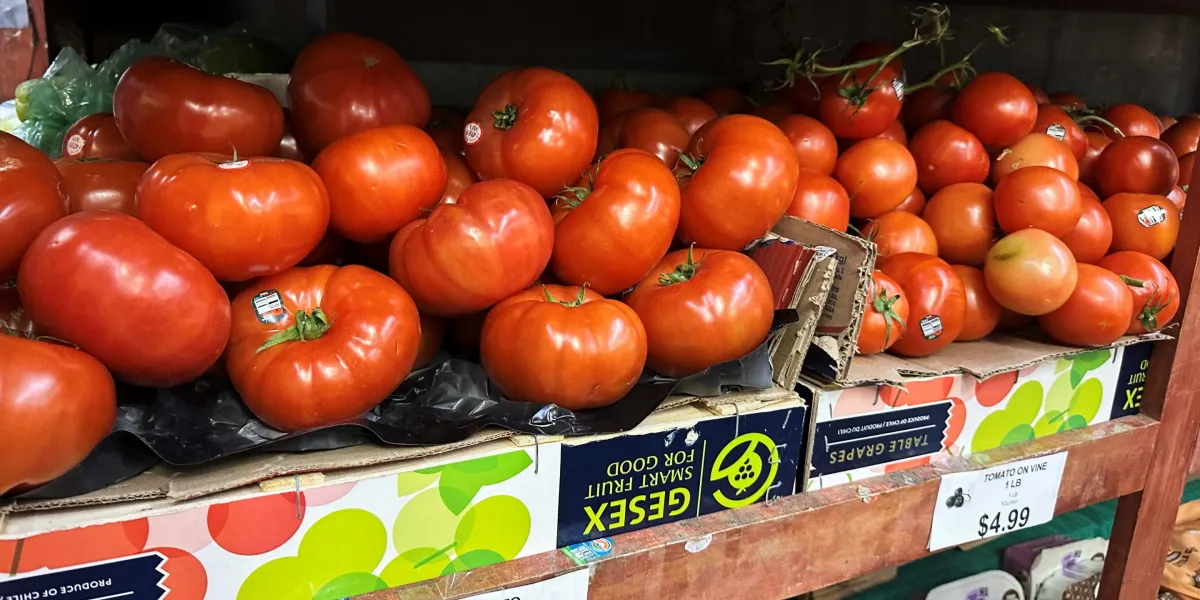
Tomatoes become the latest symbol of the affordability crisis as prices rose over 40% from last year
Tomatoes, ubiquitous in everything from fast-food burgers to haute cuisine, are taking on a new role beyond the plate: A nagging reminder of rising costs. Prices for those red orbs have soared more than any other food product over the past year to cement a spot as one of the consumer headaches du jour. “The…
-

Immigration restrictions don’t boost native workers. They cut economic mobility for generations, study finds
President Donald Trump rode immigration back to the White House in 2024. It was one of his major campaign stump speeches, drawing supporters to his rallies holding bold red signs calling for mass deportations. Trump framed a crackdown on immigration as a panacea for the country’s most pressing issues: fixing everything from the economy and…
-
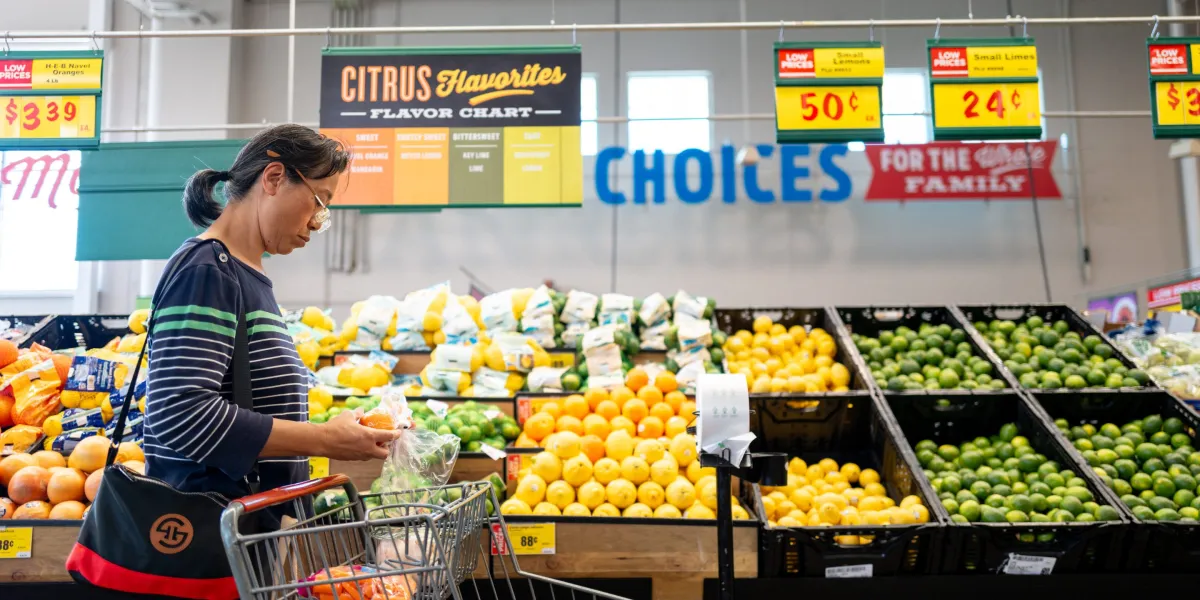
More Americans are going hungry now than during the pandemic, as people face a ‘remarkable’ rise in food insecurity, New York Fed says
There are more Americans experiencing food insecurity now than there were during the pandemic, a new survey from the Federal Reserve of New York found. In the survey from Feb. 2026, the New York Fed asked American households about their spending habits, just as consumer sentiment reached an all-time low this month and as the…
-

Employees using AI are working faster, but the economy isn’t more efficient. A look at what happened in the pre-Internet era might explain why
Two curious things are happening to the economy in 2026. On one hand, economic expansion is still going strong despite job growth slowing to a trickle, suggesting productivity among those currently employed is rising. But by many measures, productivity growth has barely budged in recent years, and slowed in the first quarter of 2026. Those…
-

A study finds escaping your income bracket no longer means building wealth. That disconnect may be what’s driving consumer pessimism to record highs
It’s easy to look at the child of a celebrity or power couple and see the leg up their family’s wealth, power, and connections got them in their own separate venture or company. And it’s even easier to label them a nepo baby when they benefit from their parent’s money and clout. But the nepo…
-

Even if every California billionaire left tomorrow, it would take 25 years for the state to lose as much as it stands to gain from proposed wealth tax
California’s proposed, one-time billionaire wealth tax has its fair share of critics. From the ultra-rich Californians who have already voted with their feet by leaving the state, to the Trump administration itself, a common line of attack has been that the measure could drive away more billionaires and eventually starve the state of tax revenue.…