Economy
-
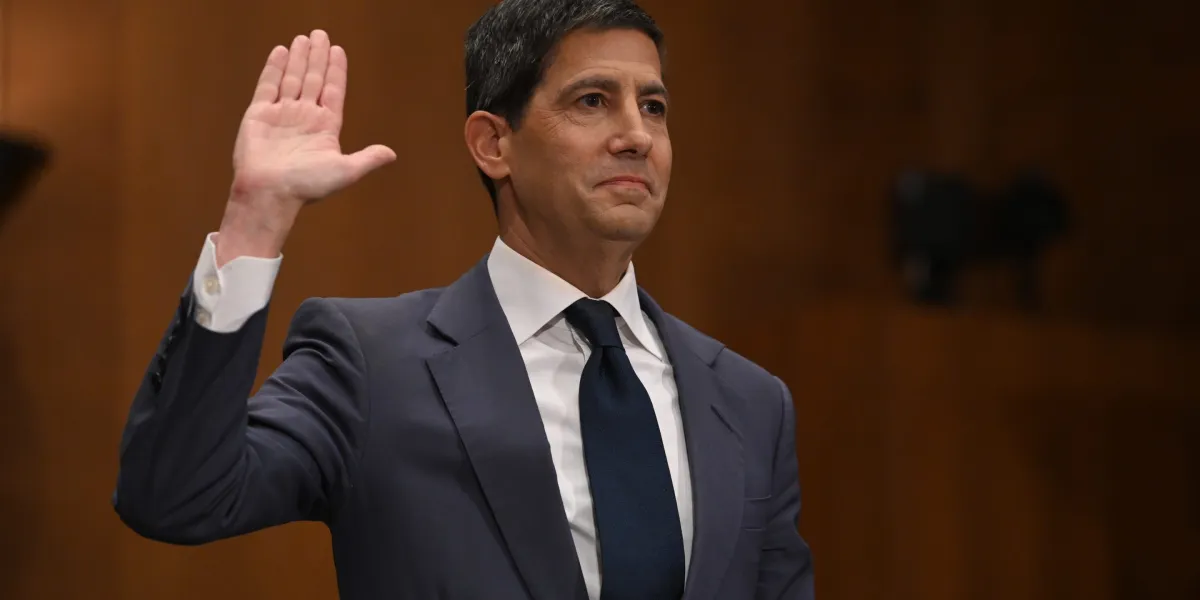
‘I almost fell out of my chair’: Fed stalwart Claudia Sahm fears Kevin Warsh’s policies could undo 20 years of policy progress
Claudia Sahm is one of the Federal Reserve’s most notable alumni: She is the founder of a recession indicator named after her, which has accurately predicted the majority of economic contractions in recent memory. Sahm has concerns about the ultimate direction of the Fed: Warsh’s testimony in front of the Senate Banking Committee left her…
-
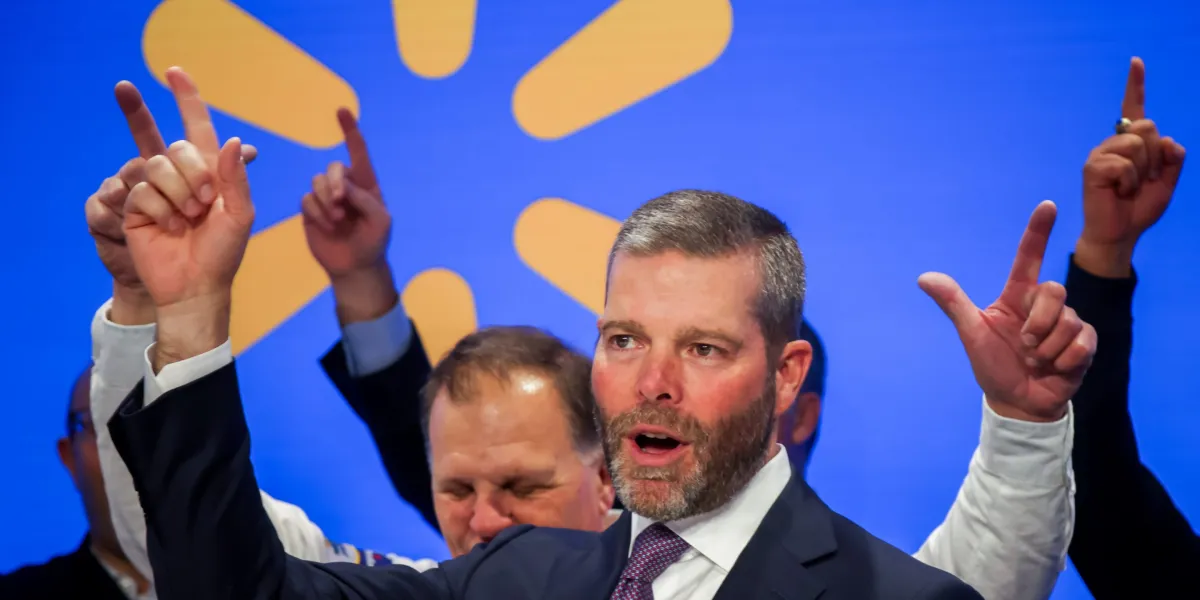
Walmart shoppers are filling their gas tanks with less than 10 gallons for the first time since 2022, and its CFO calls it ‘an indication of stress’
Walmart shoppers are feeling the crunch of higher prices at the pump, and it could be a sign of where the economy is heading. Walmart CFO John David Rainey said during the retailer’s latest quarterly earnings call this week shoppers were filling their gas tanks with fewer than 10 gallons of gas on average for…
-
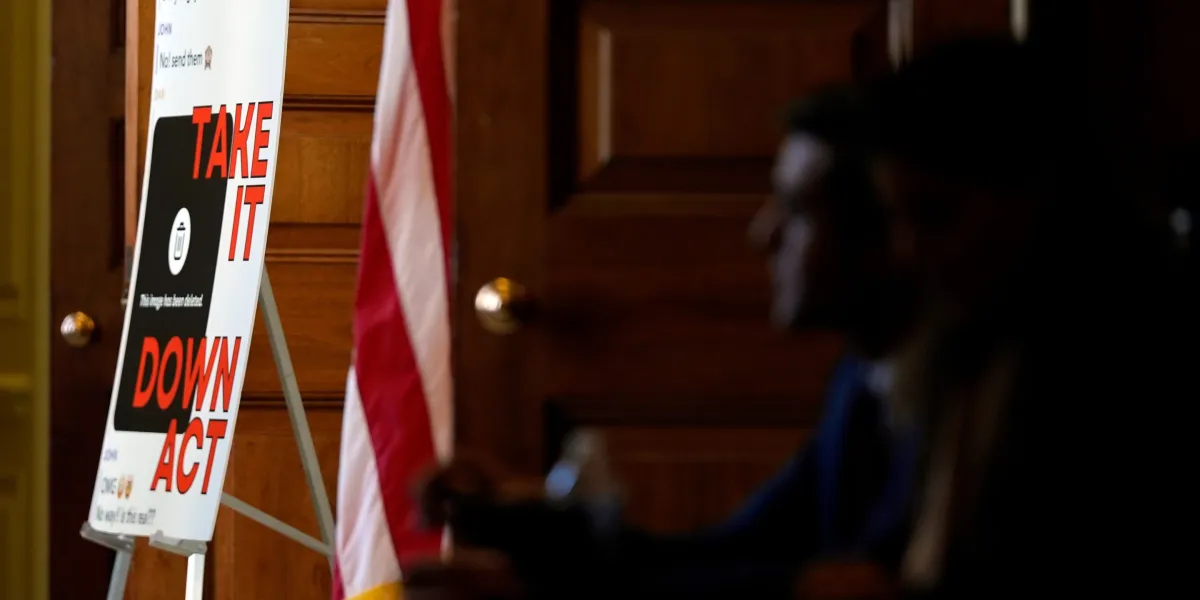
They created AI nudes that got millions of views online. Now they’re being charged with crimes
Federal prosecutors have charged two men with using artificial intelligence to create nude videos and photos of female celebrities under a newly enacted law meant to halt the spread of deepfake pornography. Cornelius Shannon, 51, and Arturo Hernandez, 20, were both arrested Tuesday for generating sexually explicit AI content that drew millions of views online,…
-

A Nobel economist figured out 60 years ago that people learn best on the job. The Atlanta Fed says AI is making that almost impossible
Sixty years ago, an economist named Kenneth Arrow sat down and worked out something that seemed almost too obvious to say: workers get better at their jobs by doing them. The insight was simple, but Arrow, who would go on to win the Nobel Prize, formalized it into a theory with sweeping implications. Learning, he…
-

Europe is considering price caps to control inflation. CEOs are shaking their heads in despair
When the supply of toilet paper started running out back in 2013, the Venezuelan authorities came up with a novel explanation. “95% of people eat three or more meals a day,” the president of the National Statistics Institute, Elias Eljuri, said at the time. The suggestion appeared to be that if only Venezuelans ate less,…
-

Harvard admits it was too easy to get A grades, vows crackdown
At Harvard University, earning straight A’s is about to get harder. Harvard’s Faculty of Arts and Sciences announced Wednesday that it would limit the number of A grades awarded to undergraduates, adopting one of the most ambitious efforts by a major university to curb grade inflation. The decision was made by faculty vote earlier this month.…
-

The definitive guide to trade wars just dropped. Its authors have one message for Washington: Study your enemy
Soumaya Keynes and Chad Bown have spent nearly a decade talking about trade. They started as podcast partners—nights and weekends, no advertising, holding down day jobs at the Financial Times and the Peterson Institute for International Economics, respectively—because their employers were fine with this particular side hustle. Their origin story is, by Keynes’s own telling,…
-
U.S. national debt officially hits $39 trillion—adding approximately $5 billion a day since October
It wasn’t even a year ago that fiscal hawks were wringing their hands over a new national debt milestone: The debt had hit $38 trillion, and interest payments on an annual basis would be 13 figures. A little over 200 days later, the U.S. national debt stands at more than $39 trillion. According to Treasury…
-
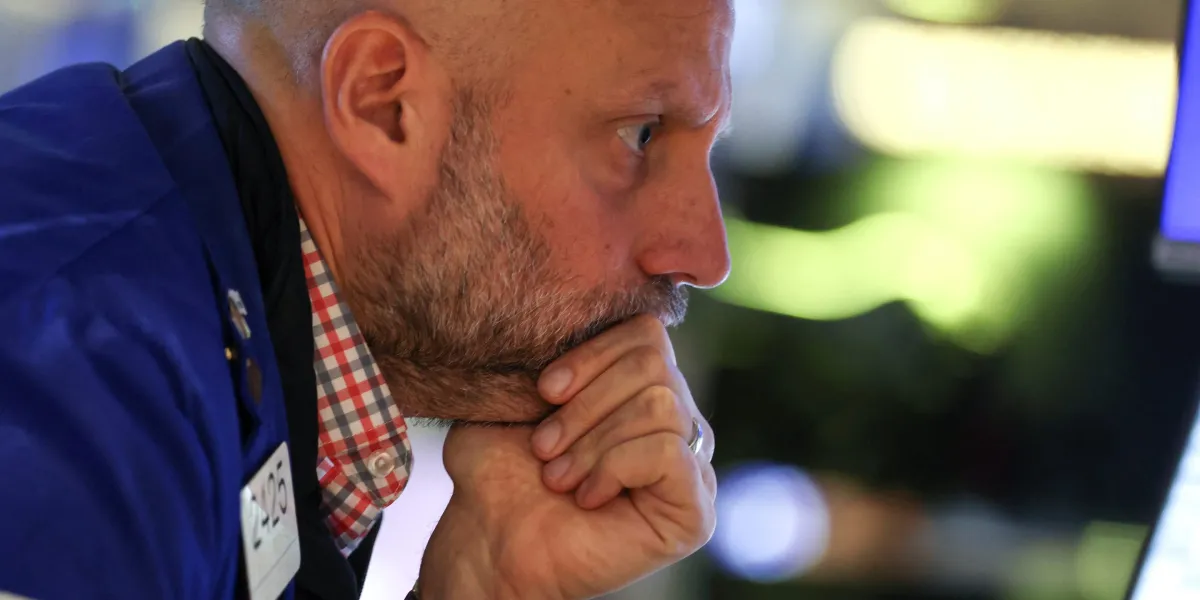
The 30-year Treasury yield just hit a level it hasn’t seen since before the Great Recession. Do the bond vigilantes ride again?
Back in 1993, the great Democratic strategist James Carville—famous for his quip, “it’s the economy, stupid”—told the Wall Street Journal that he used to think that if reincarnation existed, he wanted to come back as the president, the pope or a .400 baseball hitter. “But now I would like to come back as the bond…
-
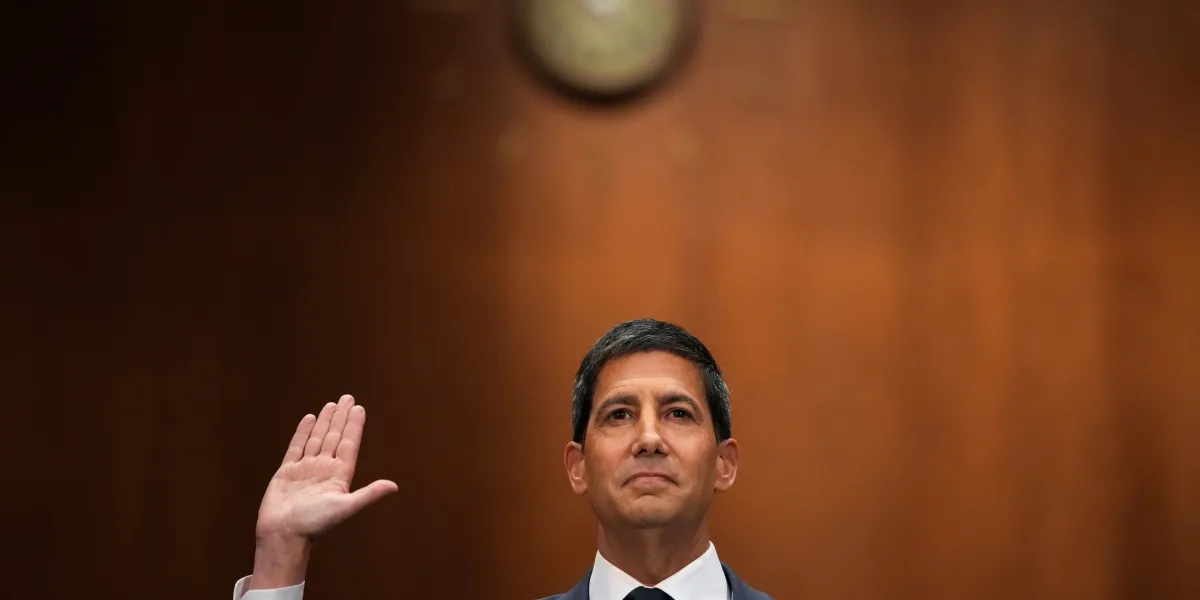
Forget tariffs and the Iran oil shock—a top economist says the Fed is blind to the real inflation threat
The distressing inflation data just released raises the crucial question on whether all the good things we’re seeing in the economy—from a confident, big spending consumer to the roaring stock market to an explosion in capex for AI—can keep driving ahead. Is the surge in prices, and big rise in bond yields it’s triggered, really…