Economy
-
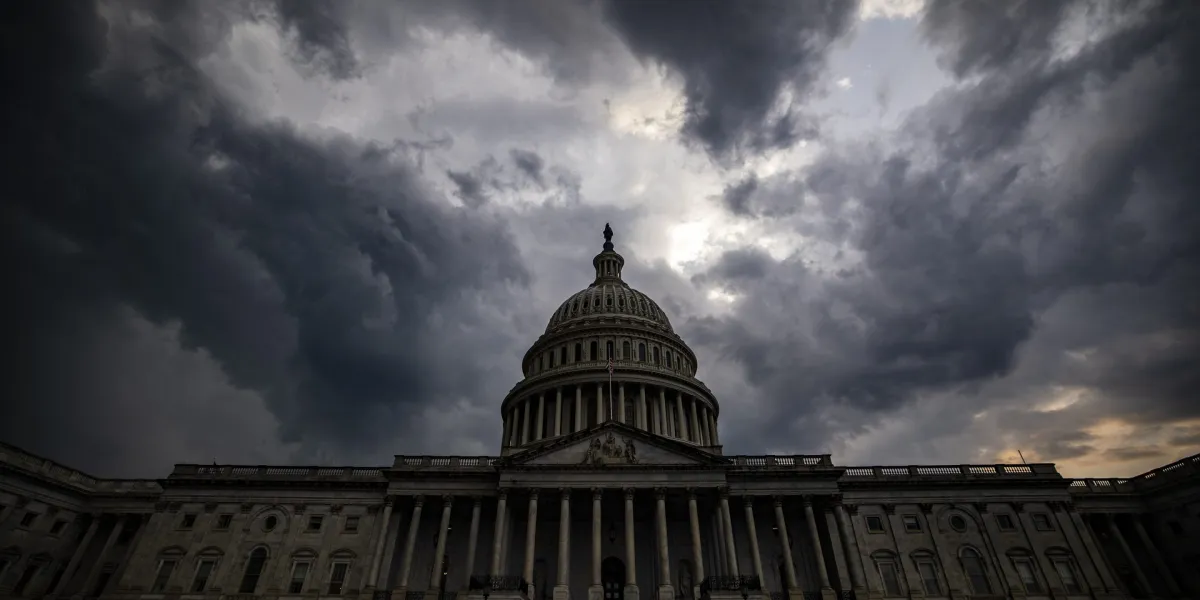
This may be the maximum level of U.S. debt that’s sustainable before interest payments trigger a default crisis that even steep tax hikes can’t fix
Soaring U.S. debt and projections that put it at astronomical levels in the coming years have set off increasing panic, though the precise level that sparks a crisis is unknown. But the Penn Wharton Budget Model may have an answer: more than 210% of GDP. Above that “outer bound” threshold, there’s no feasible tax on…
-

The U.S. is still one of the world’s biggest meat producers. So why are Americans paying so much for beef?
It’s officially grilling season in the U.S., but when it comes to one of the most beloved protein sources in the country, Americans are getting forced into difficult decisions in supermarket aisles across the country. The average price of a pound of ground beef hit a record average retail price of $6.90 last month, up…
-

The May jobs report just blew past expectations—and maybe too far for markets
The labor market delivered another whopping win on Friday: 172,000 jobs in May, when economists had expected 88,000. The even stronger surprise was in the rearview mirror: March was revised up by 29,000 to 214,000, April by 64,000 to 179,000. Combined, the two months were 93,000 stronger than previously reported. Though such a strong labor…
-

Trump promised deportations would protect American jobs. Brookings said ICE raids have cost the economy over 668,000 of them
After campaigning to enact mass deportations on what he said would be “day one” of his second administration, President Donald Trump seems to have largely kept his promise to remove undocumented immigrants from the country. He began the crackdown by targeting primarily Democratic-run cities, leading to the deportation of more than 105,000 people between Jan.…
-
Social Security faces a 24% cut in 2032—that’s a $345 billion hit to retirees nationwide, watchdog says
Social Security is barreling toward a 24% across-the-board benefit cut in 2032 that would slash roughly $500 a month from the average retiree’s check — a hit that totals about $345 billion a year nationwide, according to a first-of-its-kind report from the Committee for a Responsible Federal Budget, a Washington fiscal watchdog. Yet as that…
-
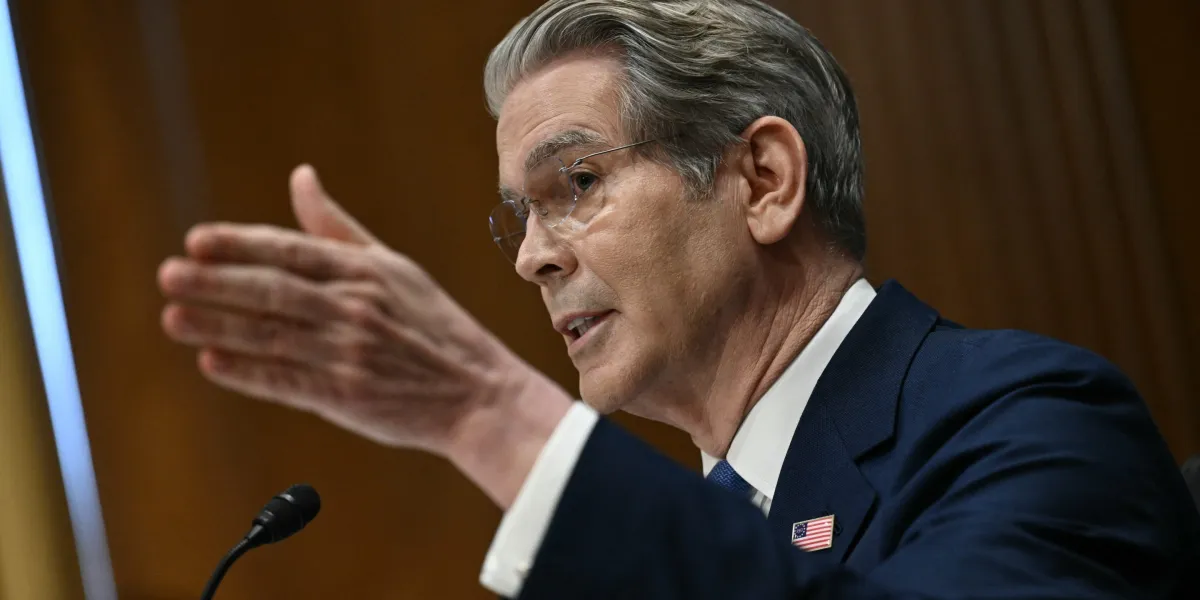
10,000 Boomers a day, $39 trillion in debt, and no benefit cuts: Bessent stakes Social Security on the Trump economy
At Treasury Secretary Scott Bessent’s testimony before Congress on Wednesday, Sen. Bill Cassidy (R-LA) brought up a well-worn data point: 10,000 Baby Boomers enter Social Security every day. “In our plan,” Bessent vowed, “the senior citizen does not pay more taxes and the senior citizen does not get less benefits.” Cassidy, who will be leaving…
-
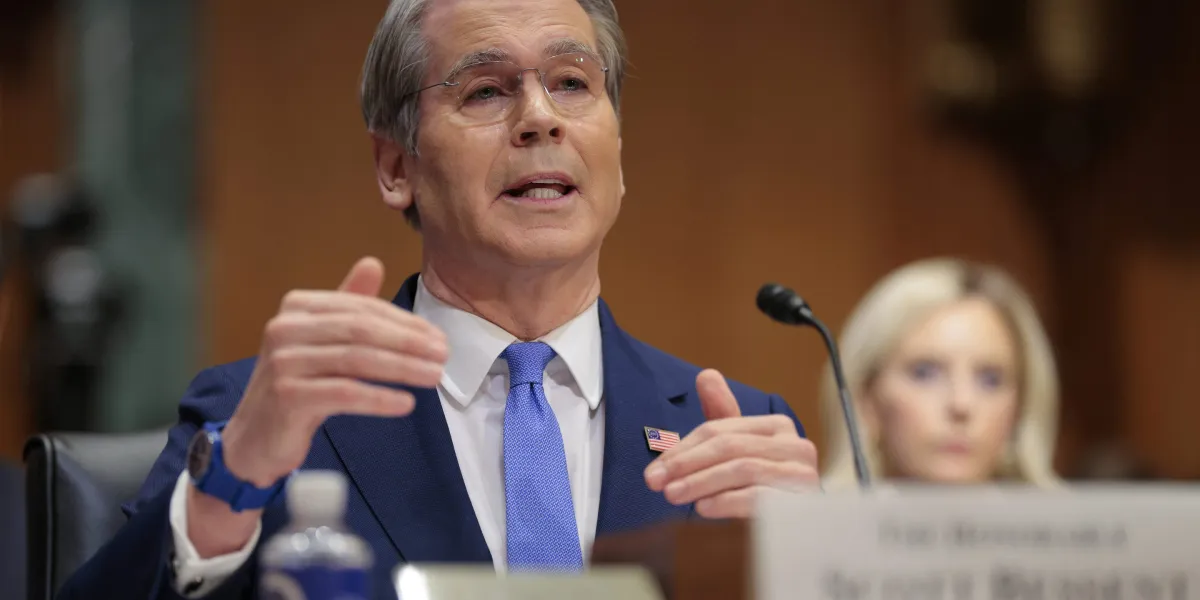
Scott Bessent says America’s in a ‘manufacturing renaissance,’ so where are the jobs?
Testifying before the Senate Finance Committee on Wednesday, Treasury Secretary Scott Bessent leaned hard into a boom narrative, telling lawmakers the country is “having a manufacturing renaissance.” He pointed to roughly 90,000 new non‑residential construction jobs tied to factories, a 50% expansion of Boeing’s plant in Charleston, S.C., that he said will translate into 1,000…
-

OECD warns of ‘scarring effects,’ recession scenarios—but finds ‘no signs of widespread labour displacement’ from AI
The global economy entered 2026 on firmer footing than most forecasters had predicted, buoyed by a surge in AI-related investment, easing trade tensions and supportive financial conditions. Then the Middle East conflict changed everything. In its June 2026 Economic Outlook, the OECD sharply downgraded its global growth projections and warned that a prolonged energy crisis…
-

AI was supposed to be killing jobs. In spring, the labor market is opening up instead
Private employers added 122,000 jobs in May, ADP reported Wednesday, beating the 110,000 economists expected and marking the strongest month of hiring since January of last year. “Hiring was more broad-based in May than we’ve seen in the last few years,” ADP chief economist Nela Richardson said as eight of the 10 sectors gained. That…
-

Some of the biggest U.S. sporting towns decided not to host any World Cup games, fearing a ‘major financial burden to our cities’
While nearly a dozen U.S. cities put the finishing touches on preparations for the 2026 FIFA World Cup ahead of next week’s kickoff, some of the country’s most sport-frenzied communities are settling in to watch from home. Based on the economics of major sporting events, it might prove a savvy decision in retrospect. The soccer…