Economy
-

New York Fed warns about $69 trillion foreign investment ‘burden’ on U.S. economy
For decades, the U.S. enjoyed a peculiar privilege: It owed the world a fortune but somehow still collected more than it had to pay out. The country was effectively able to consistently run up a tab and still walk out ahead. That trick is now running out, according to economists at the Federal Reserve Bank…
-
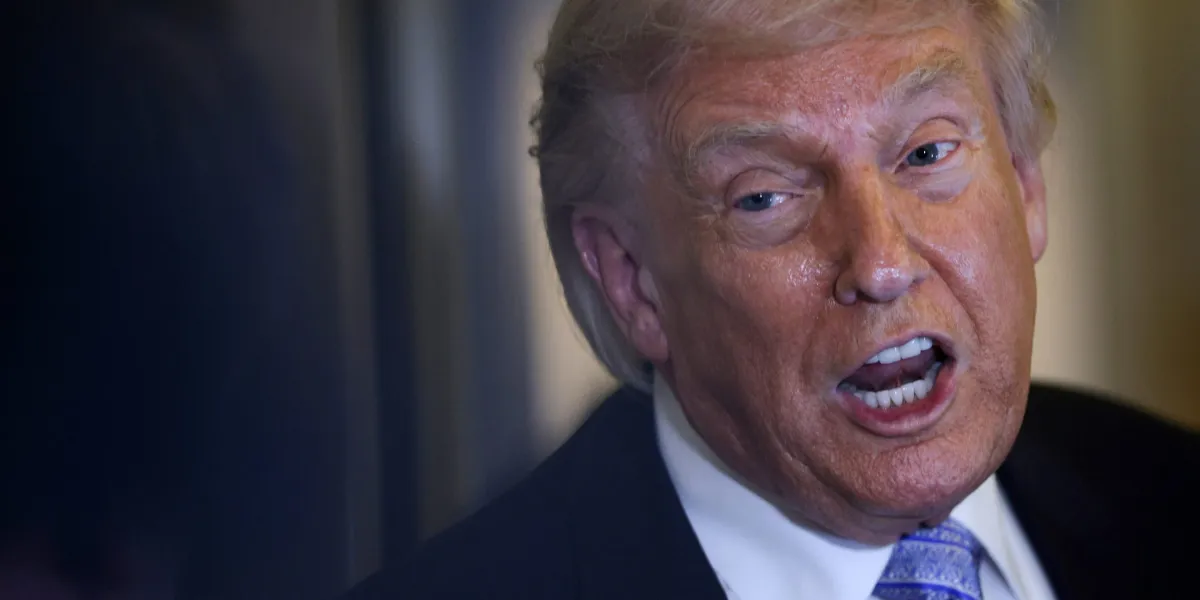
While Trump insisted the Iran war would end ‘soon,’ an account in his name was buying millions in oil, defense and gold
On the morning of Monday, March 23, President Trump pulled his first “TACO” of the Iran war. After four weeks of fighting, with oil prices already up 55%, Trump had given Iran an ultimatum on Friday: make a deal within 48 hours, or the U.S. would strike its power plants and energy infrastructure. But on…
-
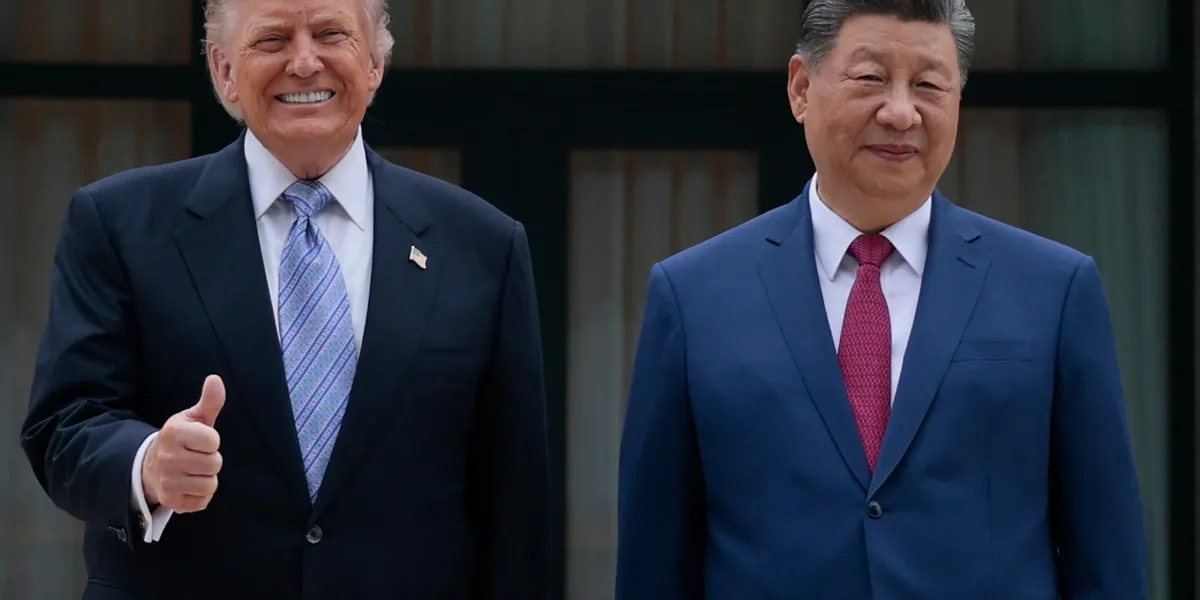
China will remain an ‘incomplete superpower’ until it can catch up with U.S. financial might, market veteran says
President Donald Trump’s summit with Chinese counterpart Xi Jinping ended last week without a major breakthrough, but still achieved Beijing’s goal of putting itself on equal footing with the U.S. Meanwhile, China’s industrial might continues to drive export dominance, its AI is nearly on par with the top models, and its military is increasingly advanced.…
-

New York governor pleads for remote work during massive rail strike: ‘regular commuters who can work from home … please do so’
A marathon day of negotiations that finished early Monday failed to end a strike that shut down the Long Island Rail Road, North America’s largest commuter rail system, setting the stage for a rough start to the work week for about 250,000 commuters. Unions representing rail workers and the Metropolitan Transportation Agency, which runs the…
-

Supply shocks weren’t random. They were strategic—and should be seen as ‘supply coercion’ instead, former Fed official says
As the Federal Reserve considers how to respond to the latest inflationary spike, a former central banker has warned that the traditional monetary policy playbook doesn’t apply. In a Substack post last week, former Philadelphia Fed President Patrick Harker argued that the term “supply shock” is a mischaracterization of what’s really been going on in…
-

Gundlach says it’s ‘just not possible’ for the Fed to cut rates
Investors won’t see a rate cut out of the next Federal Reserve policy meeting, according to DoubleLine Capital LP chief executive officer Jeffrey Gundlach. “People were looking for two rate cuts this year, but the inflation market has simply not cooperated,” Gundlach said on Fox News’ Sunday Morning Futures. “It’s just not possible, in my…
-

U.S. says China to buy $17 billion of agricultural goods annually
China has agreed to purchase at least $17 billion of agriculture products from the US annually through 2028, the White House said in a fact sheet detailing President Donald Trump’s two-day summit in China. A day earlier, the Chinese Ministry of Commerce released its own readout of the meeting, which said the US and China…
-
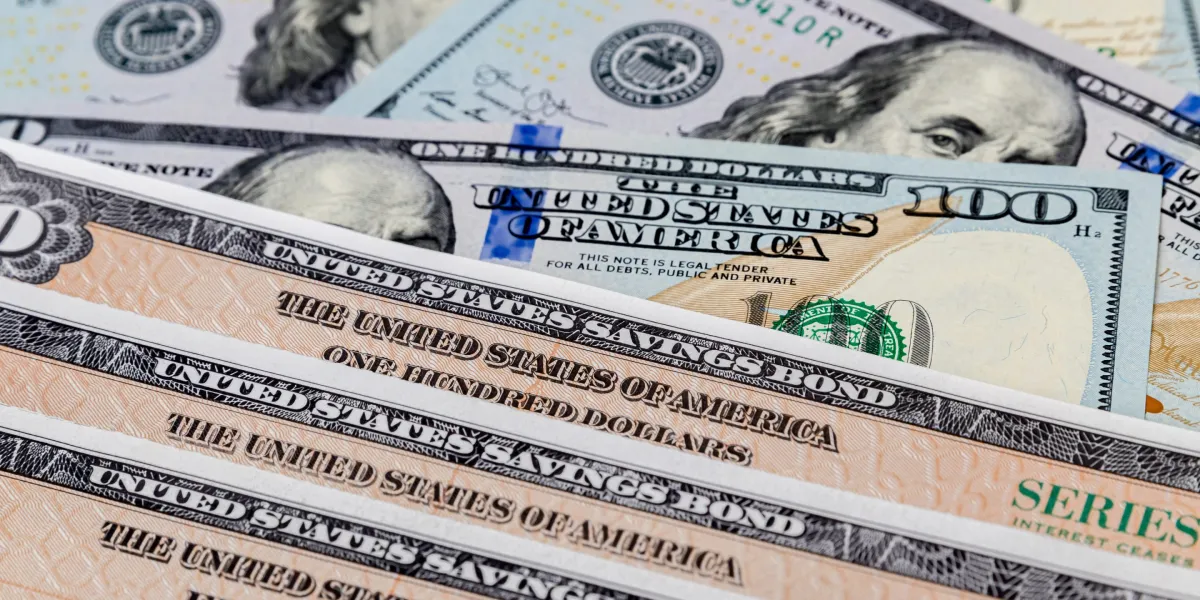
The top foreign holders of U.S. debt may soon dump Treasury bonds and bring their money back home, potentially spiking borrowing costs
For decades, Japanese government bonds offered minuscule returns, forcing investors there to look abroad, especially at U.S. financial markets. Japanese investors now collectively own about $1 trillion in Treasuries and are the largest foreign holders of U.S. debt. But that could change soon as the Bank of Japan has been hiking rates while hotter inflation…
-

The AI boom hasn’t stopped U.S. companies from hiring cheap offshore labor, and overseas call center employment is still skyrocketing
In September 2025, Salesforce CEO Marc Benioff said the company slashed 4,000 customer service roles, opting for the remaining 5,000 support workers to share their roles with AI agents. “I need less heads,” Benioff said at the time. But as more companies adopt agentic AI in hopes of replacing or making human workers more efficient,…
-
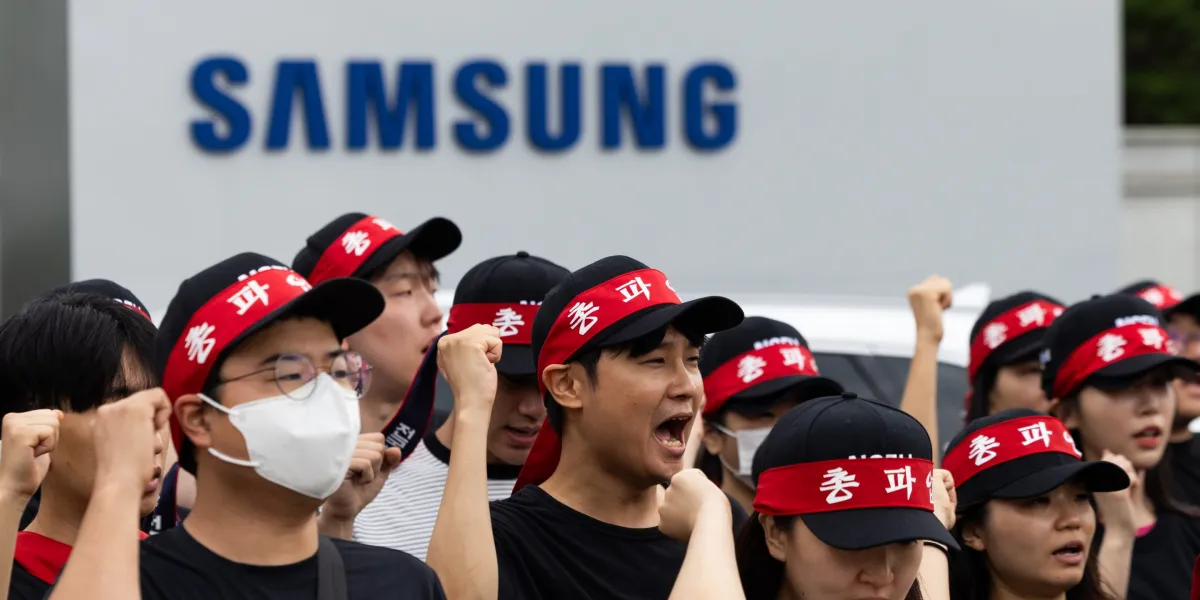
A 45,000-person labor strike at Samsung’s memory chip plants could throw a wrench into the AI boom
Samsung makes about a third of the world’s DRAM—the memory inside virtually every phone, laptop, server, and data center on the planet. Together with its Korean rival SK Hynix, it controls roughly two-thirds of the global DRAM market and an even larger share of high-bandwidth memory (HBM), the specialized chips that AI systems cannot run…