Economy
-
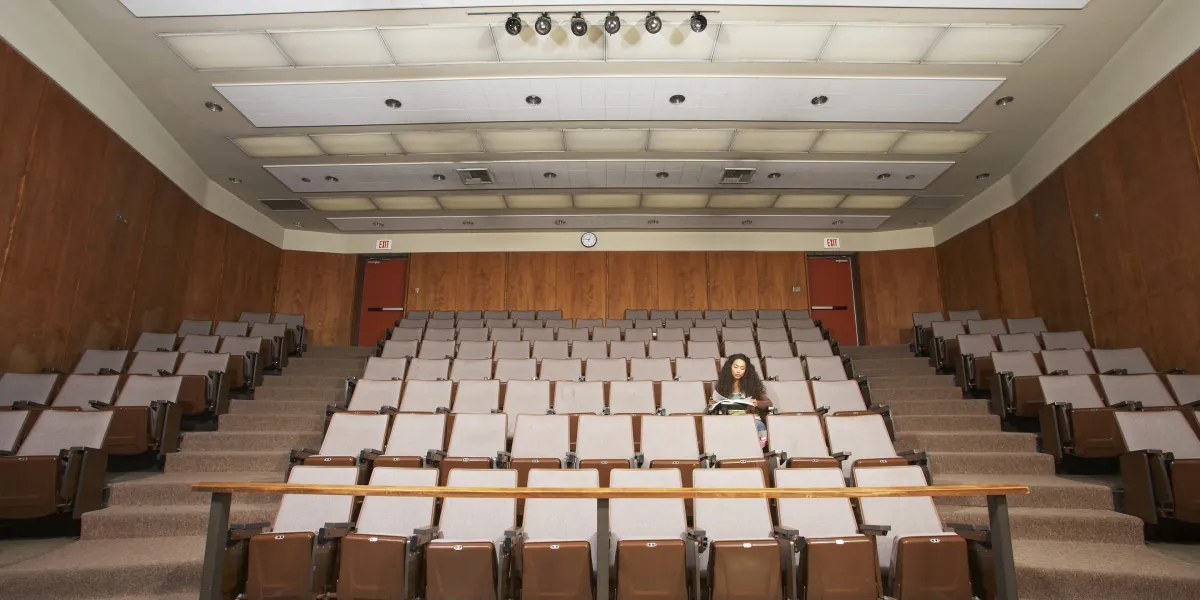
The Great Recession’s missing children are finally bringing college’s financial crisis into sight. Welcome to the ‘enrollment volatility’ era
Universities and colleges across the country have been dealing with a ticking time bomb since the Great Recession, and a growing number of them are saying that it’s about to go off, next semester. A series of announcements over the past month by the highest offices of U.S. universities read like an obituary to a…
-

Miserable K-shaped economy might actually be fading, as lower-income families bounce back, says Bank of America
Green shoots are appearing in the spending patterns of lower-income earners, with their consumption tracking up in recent days on goods and services excluding gas. The trend could signal the beginning of the end of the so-called a ‘K-shaped’ economy in which the spending and fortunes of upper-income earners rise, while those of lower earners…
-

Record revenues. Record profits. Record revenue per employee. The Fortune 500 is richer than ever—and employing fewer people
Up and to the right: that’s the story of nearly all the collective data from the 2026 Fortune 500, which ranks the largest U.S. companies by revenue. Together, the companies generated record revenue of $21 trillion, up 5% from a year ago. Total profits ballooned 12% to $2.1 trillion, and overall market cap surged 19%…
-
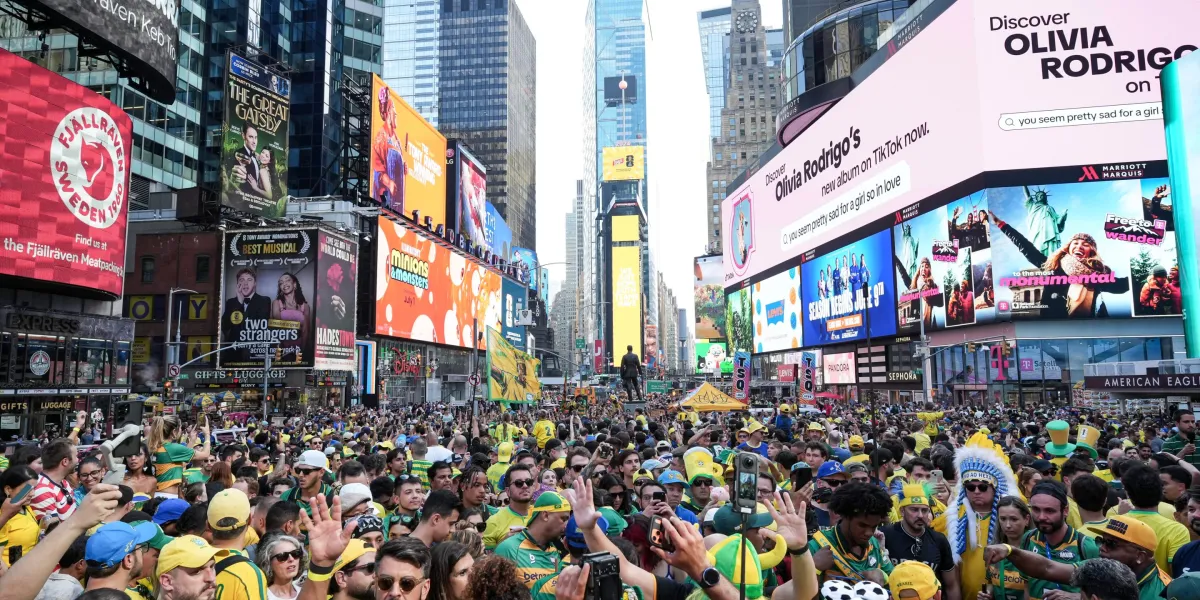
How FIFA restructured the World Cup into its biggest payday ever, as host cities face a budget shortfall
FIFA will collect an estimated $8.9 billion from the 2026 World Cup while the 11 U.S. cities hosting it could face a collective shortfall of upwards of $250 million. And that’s thanks to FIFA’s restructuring of how it runs the World Cup. For most of the tournament’s history, a World Cup was run by a…
-
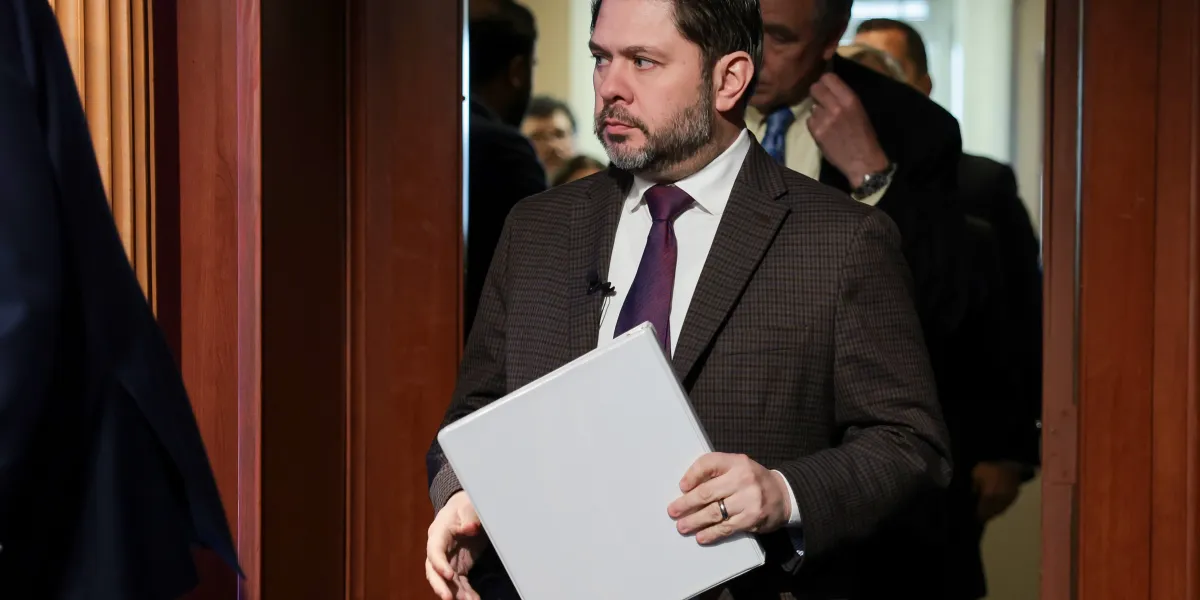
Exclusive: Arizona senator warns ‘ghost jobs’ are warping labor data, presses Trump admin to investigate
Sen. Ruben Gallego (D-Ariz.) pressed the Trump administration on Thursday to crack down on companies that post online listings for jobs that don’t exist. In letters to the Department of Labor and Federal Trade Commission, Gallego asked the agencies to investigate how widespread “ghost jobs” are, explain how they show up in federal labor data,…
-
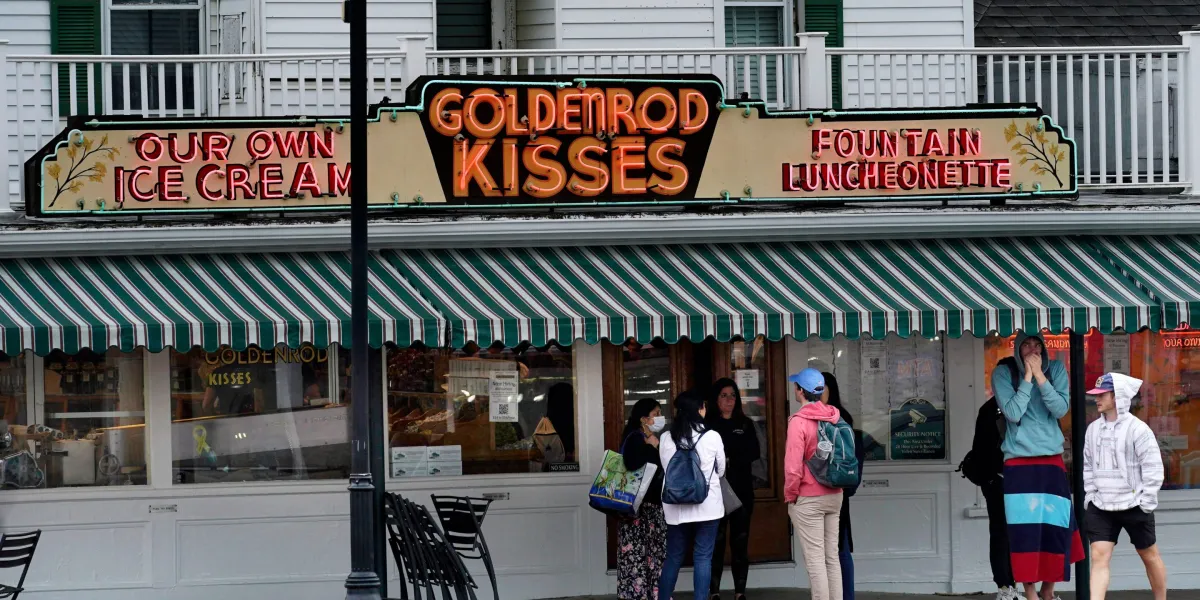
Teen summer employment is headed for its worst year since 1948
Jaelyn Chester will wait your tables or stock your shelves. She’ll wash your dishes or scrub your toilets. If only someone would give the 17-year-old a chance. “I’ve been looking everywhere,” says Chester, an A+ student, high school basketball star and aspiring engineer who has blanketed her community with dozens of applications. “I’m not unemployed…
-

The G7 just pledged to break China’s rare earth grip — there’s a lot of work to do
The U.S. and six of its allies are tackling their dependence on China and its effective chokehold on rare earth minerals. At the Group of Seven summit in France on Wednesday, the countries pledged to ensure that no single nation can supply more than 60% of rare earth imports by 2030. Issued by the G7…
-
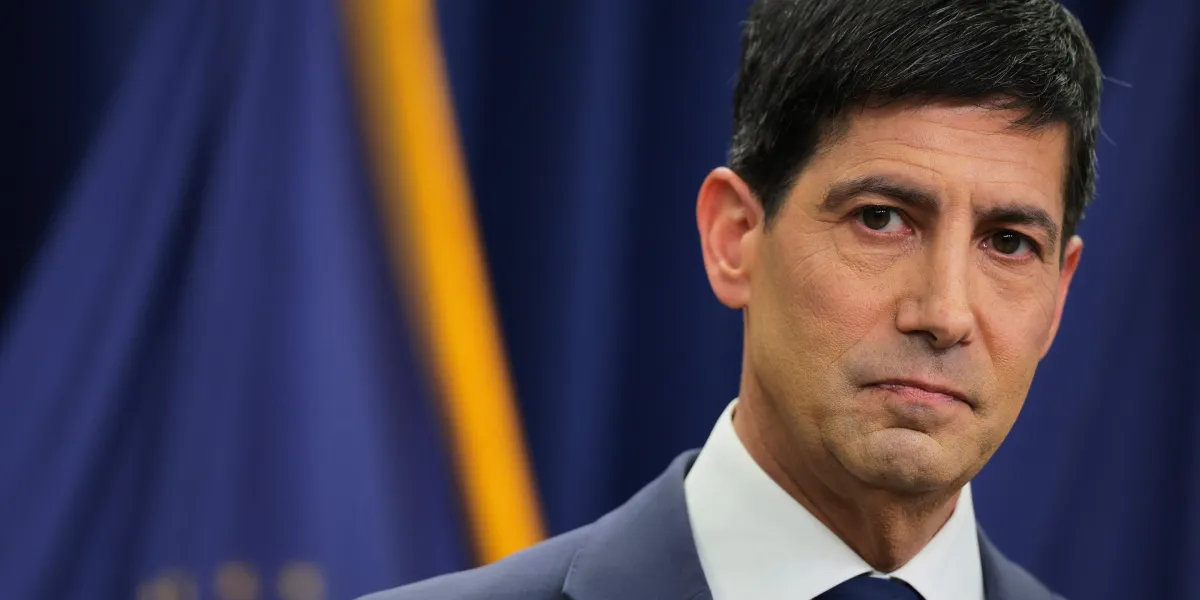
Kevin Warsh showed that he’s decisively not Trump’s ‘sock puppet’—and markets didn’t like it
Before Kevin Warsh stepped up to the podium Wednesday afternoon, no one really knew which one would show up: the hawk or the “sock puppet.” There was the young, spry and hawkish Warsh of 2011, a Fed governor who quit following the financial crisis out of protest over the Fed’s bond-buying. But in recent months,…
-

The affordability crisis is so bad that, for the first time ever, both mom and dad are working full-time in most American families
Fifty years ago, four in 10 American families survived on a single income. Now, the days of the single-income household are long gone. For the first time in U.S. history, the majority of all heterosexual households have two full-time, working parents. Now, both parents in more than half (52%) of heterosexual couples with kids under…
-

Tokens are getting cheaper, but companies are spending even more on AI as a result, top economist warns
The ghost of a 19th century English economist may be haunting yet another part of the AI boom. In 1865, William Stanley Jevons observed that when the Watt steam engine made coal use more efficient—decreasing the amount required to a task—coal consumption actually skyrocketed. More than 150 years later, one economist is citing this phenomenon,…