Economy
-
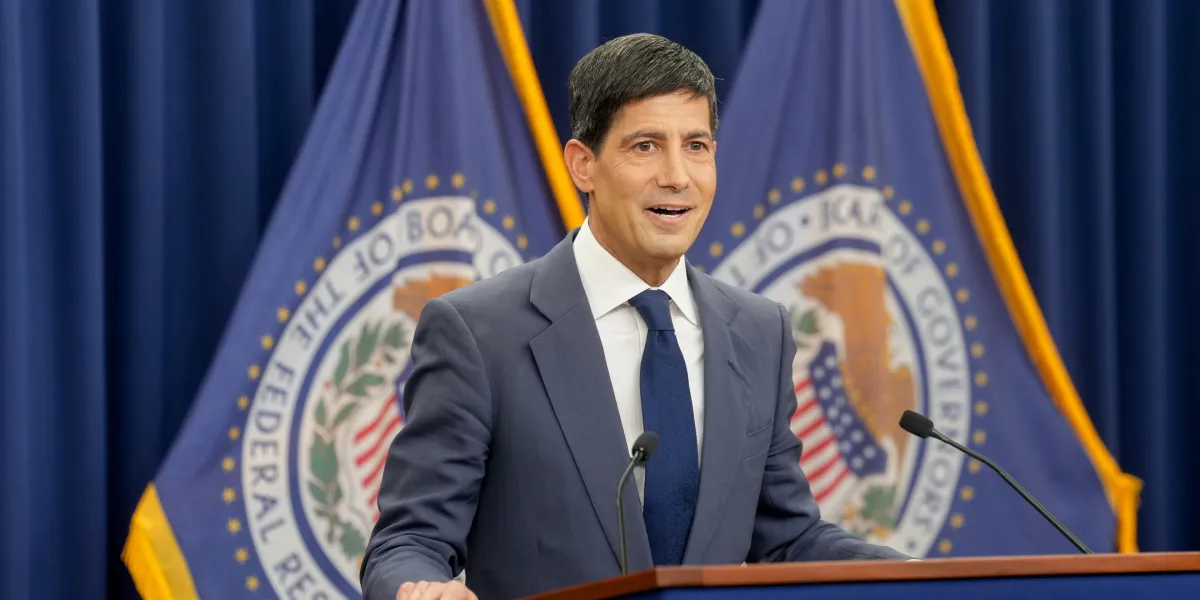
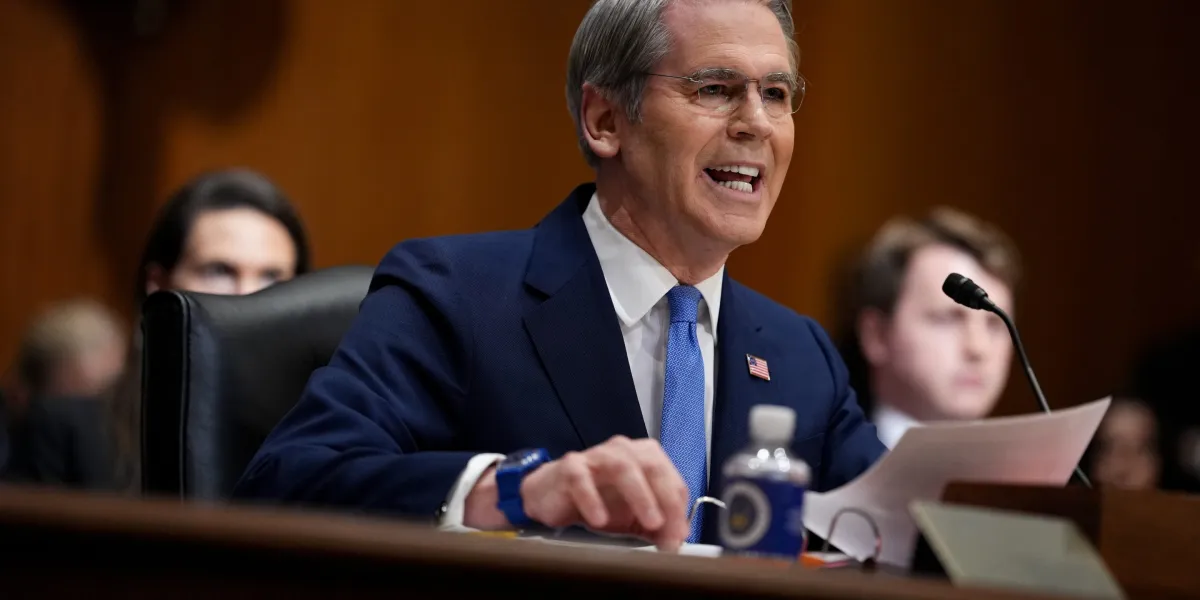
Kevin Warsh’s first Fed meeting sees rates hold steady and makes outright promise to deliver price stability—but don’t expect many details on when
In his first appearance as chairman of the Federal Reserve, Kevin Warsh confirmed this afternoon the base rate will hold at its current level of 3.5% to 3.75%. Taking over the title from Jerome Powell—who stays on at the Fed as a governor—Warsh said: “Economic activity is expanding at a solid pace, despite elevated uncertainty…
-
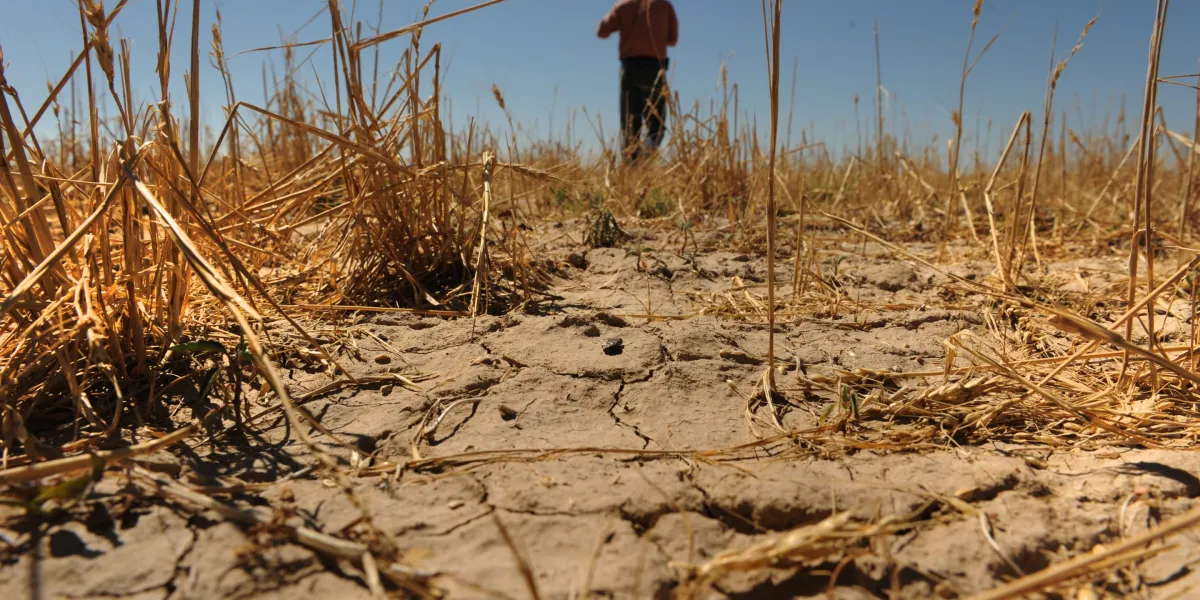
One of the most powerful El Niños on record cost the world economy $5.7 trillion. The 2026 cycle might be even stronger
Just as the global economy cautiously emerges from one crisis, another is beckoning at the doorstep, one that is completely out of politicians’ control. Markets and businesses breathed a sigh of relief last weekend when President Donald Trump announced a pending deal with Iran to cease hostilities in the Middle East and reopen the Strait…
-
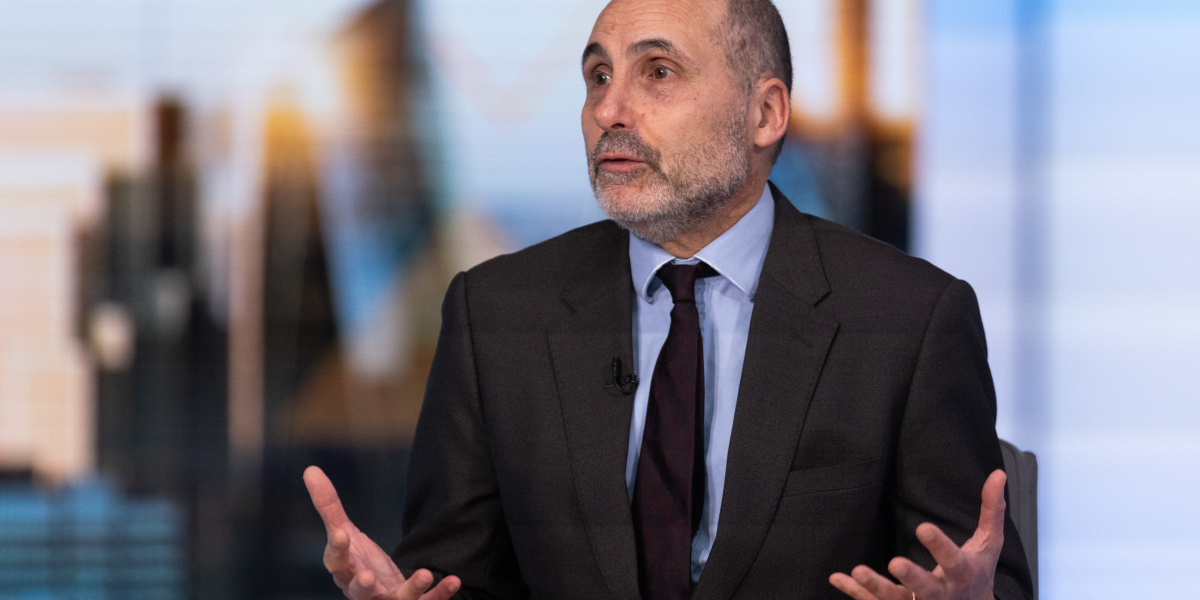
Your raise used to go offshore. Then it went to a buyback. Now it’s going to a data center
For four decades, the formula was simple: keep labor costs low, borrow cheap, return cash to shareholders. It worked spectacularly as corporate profit margins reached record highs, the S&P 500 compounded at historic rates, and the investor class got very rich. But that formula is now broken. According to Goldman Sachs’ global strategy team, what’s…
-
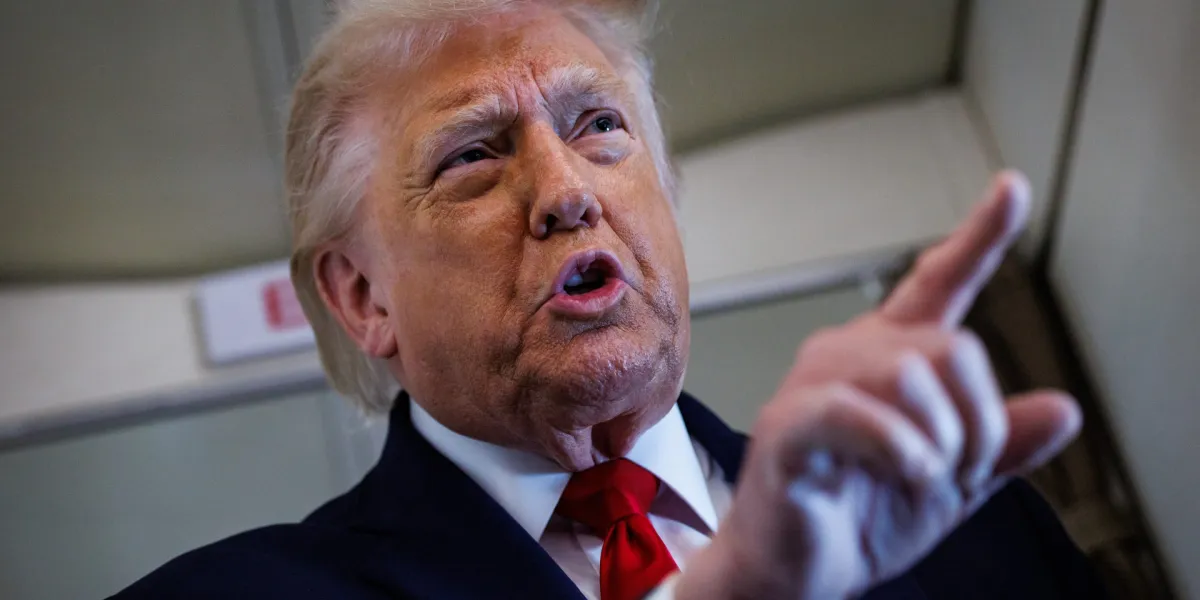
Tariffs are generating only 25% of the revenue needed to pay interest on national debt—despite pitch that it would be a silver bullet
When President Trump announced his plans for a new tariff regime, he said the action was “primarily to pay down debt, which will happen in very large quantity.” But fast-forward a little under a year, and the revenues generated by customs duties aren’t enough to make a dent in interest payments on national debt—let alone…
-
Trump turned the dollar into a foreign policy tool, and now risks undermining the currency’s extraordinary status, think tank says
For decades, the U.S. largely held off on approving currency swaps with foreign powers, save for rare circumstances. When it did, the Federal Reserve would trade currencies to shore up international dollar reserves, including at the height of the 2008 financial crisis. The central bank would also sign off on swap lines to restore confidence…
-
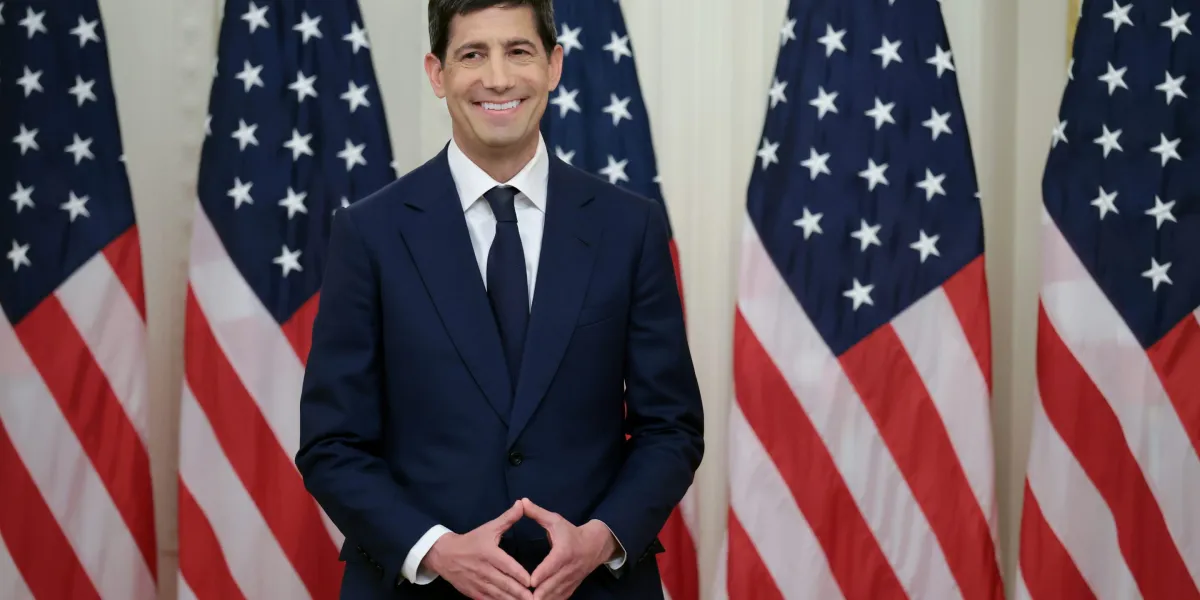
Kevin Warsh’s first Fed test is here: He must navigate hawks ‘on the offensive’ and Wall Street’s hunger for details on regime change
Kevin Warsh has, to the best of his abilities, stayed out of the limelight in the run-up to taking over as chairman of the U.S. Federal Reserve. He had no plans to overshadow the final throes of Jerome Powell’s leadership; staying well away from the halls of the central bank and its staff, steering clear…
-
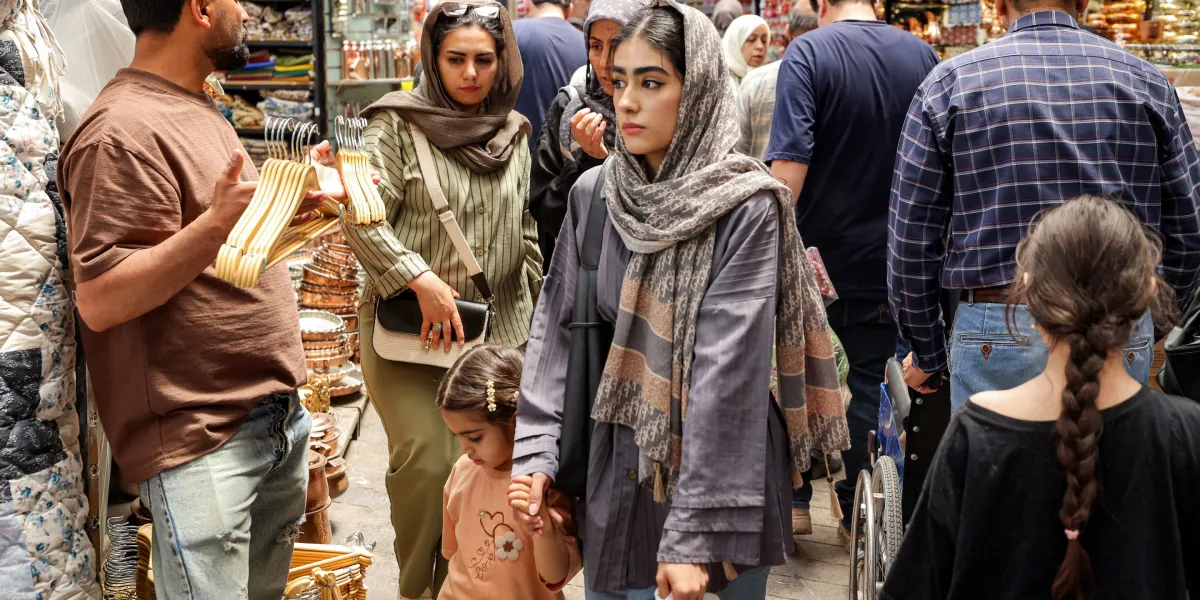
Iran emerges from war with its economy in free fall and inflation on some food items above 400%. If the regime doesn’t fix it, ‘there will be trouble’
The regime in Tehran is still standing after the U.S.-Israeli war on Iran, but its economy is collapsing and could spark more unrest among the population. Iran’s economy was already in shambles before the war began more than three months ago, with high inflation and a currency crash spurring mass protests in late December. But…
-

Boomers actually do hold most of the wealth and power. So why do they call it ‘whiny’ to point that out?
Over 2,000 years ago, Aristotle had some bars about the kids these days: “Young men have strong passions, and tend to gratify them indiscriminately,” the great philosopher wrote in Rhetoric. “They are changeable and fickle in their desires, which are violent while they last, but quickly over… They have exalted notions, because they have not…
-
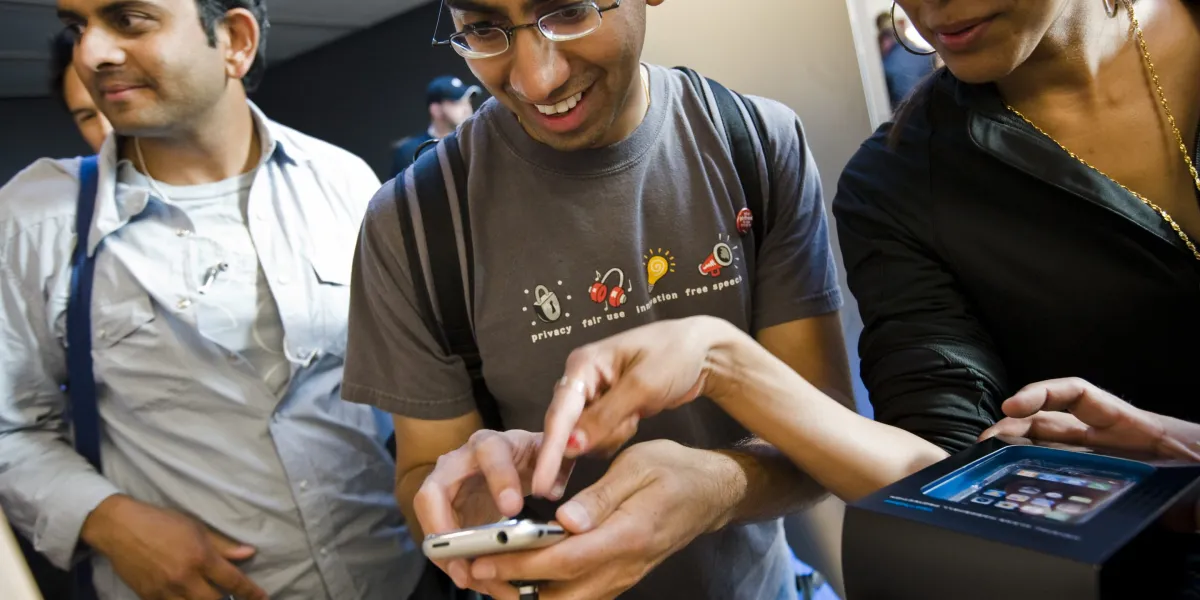
You can blame America’s plummeting fertility rate on the iPhone, study finds: ‘People are all depressed and alone and doomscrolling’
Your iPhone may now be a form of birth control, economists warn. New research is linking America’s plummeting birth rate to the rise of the iPhone, providing evidence that smartphone use is causing people to have fewer children. A working paper published this month in the National Bureau of Economist Research (NBER) found that in…
-
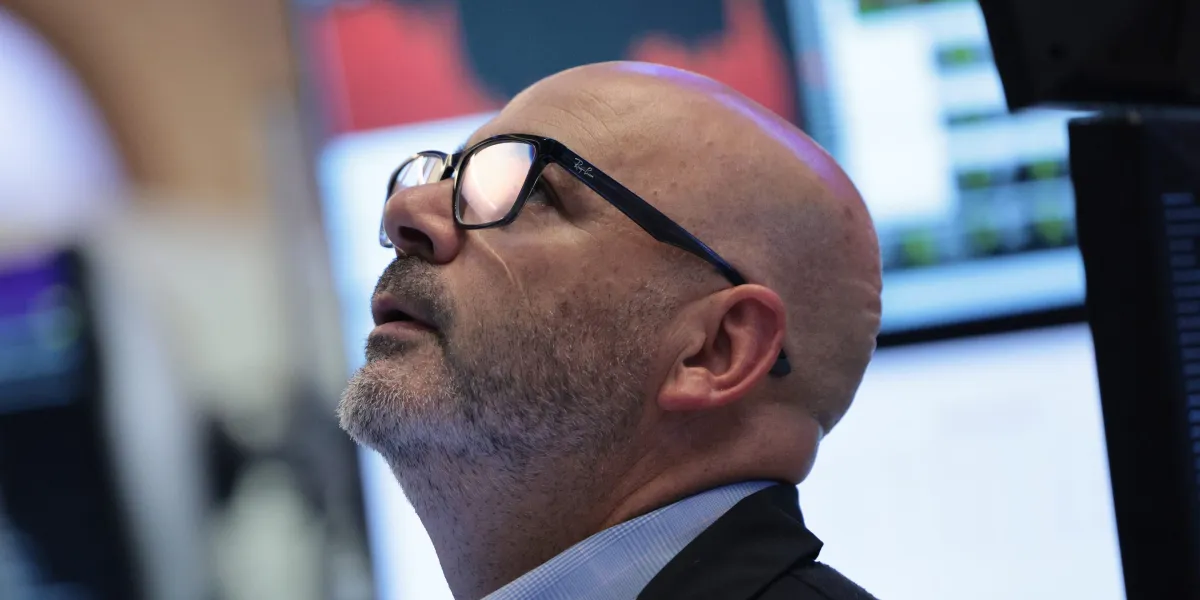
Inflation is roaring back globally, 2022 style. The Iran war is only half the problem
The specter of higher-than-2% inflation has loomed over the economy since the pandemic. But just as it seemed like the Fed had clawed its way out of unpopular rate hikes, a war with Iran has dragged it right back in. Producer prices climbed 6.5% over the past year, the Bureau of Labor Statistics reported Thursday,…